Activated Charcoal
Why you need this: In emergencies, activated charcoal capsules help manage stomach upset from questionable food or water, protecting your family when medical help is delayed.Activated charcoal is a specially processed form of carbon with an immense internal surface area. Through heat and steam activation, its structure becomes riddled with microscopic pores that selectively bind a wide range of compounds. In practical terms, that makes it a powerful and versatile tool for first aid, preparedness, and everyday mishaps.
Why it matters is simple: in certain emergencies, activated charcoal can adsorb (bind) many toxins in the gut before they’re absorbed into the bloodstream. Under professional guidance, it may be used in cases of specific accidental ingestion. Beyond medical first aid, the same material shows up in water treatment, odor control, and spill response kits—small, lightweight, and multi-purpose.
In everyday life, it helps with accidental mix-ups (like someone swallowing the wrong over-the-counter pill), minor household spills of certain non-corrosive chemicals, and taste and odor troubleshooting for water. During disasters, it can serve as a layer in improvised filtration systems. However, it’s crucial to understand that activated charcoal is not a cure-all: it does not work for many substances (including strong acids or alkalis, alcohols, and heavy metals) and must not delay calling emergency services or poison control.
Important safety note: Only use activated charcoal for ingestion if directed by a medical professional or poison control. Do not give it to anyone who is drowsy, unconscious, having seizures, or at risk of vomiting/aspiration. For pets, call your veterinarian or an animal poison helpline before use.
How It Works
Activated charcoal works through adsorption, not absorption. Its massive surface area—packed into a fine powder or granules—acts like a high-capacity “molecular sponge,” attracting certain compounds to its surface. The physics and chemistry behind it are straightforward but powerful.
- Adsorption vs. absorption: Adsorption binds substances to the surface; absorption soaks them up internally. Activated charcoal excels at surface binding.
- Huge surface area: A few grams can have the surface area of a football field due to micropores and mesopores created during activation.
- Pore size matters: Different pore sizes target different molecules. Micropores capture many small organic molecules; larger pores help grab bigger compounds.
- Timing is critical: For ingestion scenarios, the sooner it’s used (under professional guidance), the more likely it can reduce the amount of certain toxins absorbed.
- Not universal: It doesn’t bind everything. Strong acids/alkalis, alcohols, lithium, iron, and other metals are poor candidates.
- Form factor: Finely powdered forms are often mixed into water to form a slurry. Granular forms are favored for water filtration and odor control.
When Activated Charcoal Helps Most
- Natural disasters:
- Compromised water supplies after floods or infrastructure damage. Activated charcoal can improve taste and reduce certain organic contaminants when used as part of a multi-stage treatment (prefilter + charcoal + disinfection). It does not disinfect water by itself.
- Odor management in shelters or enclosed spaces—charcoal pouches or containers can help reduce lingering smells from smoke or mildew.
- Home accidents:
- Accidental ingestion of some medications or household products. Call poison control first; if advised, activated charcoal may be used to limit absorption of certain substances.
- Non-caustic chemical spills on counters or floors. Sprinkle charcoal to adsorb odors and some residues before wiping up, then clean thoroughly.
- Refrigerator or pantry odors—a small dish of charcoal can help neutralize smells.
- Workplace situations:
- Lab or shop spills of certain non-corrosive organic compounds. Activated charcoal can assist with initial odor control or cleanup.
- Emergency kits where quick response to accidental ingestion may be needed—always with training and clear protocols.
- Vehicles:
- Glove-box first aid kits for travelers who want a compact, multi-purpose adsorbent on hand.
- Odor control for lingering smells from spills or materials transported inside the vehicle.
- Outdoor activities:
- Camping and hiking: part of a layered water treatment approach (sediment prefilter, charcoal stage, and final disinfection via boiling, chemical treatment, or filter rated for pathogens).
- Backcountry kits: small sachets can help with unexpected odors or minor spills around camp.
Strengths, Suitability & Limitations
Strengths
- Multi-use preparedness: Works for water aesthetics, odor control, some spill cleanups, and certain ingestion scenarios under professional direction.
- Lightweight and compact: Easy to store in home kits, vehicles, and go-bags.
- Fast to deploy: Powder mixes quickly; granules can be packed into simple filter stages.
- Stable and shelf-ready: When sealed and kept dry, it stores well for extended periods.
What It’s Not For
- Not a cure-all: Does not bind many substances, including strong acids/alkalis, alcohols, and metals like iron or lithium.
- Not a substitute for medical care: Never delays calling emergency services or poison control.
- Not a disinfectant: On its own, it won’t kill bacteria, viruses, or parasites in water.
- Not for unconscious or seizing individuals: Risk of aspiration makes oral use unsafe without medical supervision.
Limitations and safety considerations
- Drug interactions: It can reduce the effectiveness of medications and supplements if taken around the same time.
- Side effects: Constipation, dark stools, and nausea are possible; rare complications include aspiration if used improperly.
- Mess factor: Fine powder can spread easily; it stains porous surfaces and fabrics.
- Quality variation: Low-grade products may have inconsistent particle size or contaminants; look for reputable quality standards.
What to Look For When Buying Activated Charcoal
Choosing the right type depends on your intended use. Consider the factors below before adding activated charcoal to your emergency or household supplies.
- Intended purpose:
- For ingestion under professional guidance: Look for food-grade or pharmacopoeia-grade (e.g., USP) labeling and clear instructions.
- For water or air treatment: Granular activated carbon (GAC) or powdered activated carbon (PAC) can be used in filter stages designed for taste/odor and organic compounds. For water components, recognized safety standards (for example, relevant NSF/ANSI categories) indicate the media is suitable for potable use when used as directed.
- Source material: Coconut shell, hardwood, or coal-based charcoals each have different pore structures. Coconut shell often features more micropores, which can be effective for many small organic molecules.
- Particle size and form: Fine powders disperse quickly in water for slurries; granules are easier to handle for filters and odor control. Tablets or capsules may be convenient for measured dosing per label instructions.
- Purity and testing: Seek products that emphasize low ash content, verified purity, and batch traceability. Avoid blends with unnecessary additives, flavors, or fillers.
- Packaging: Moisture-proof, sealed containers with tamper-evident features help preserve performance. A resealable pouch or bottle with desiccant is a plus.
- Clear labeling: Look for usage instructions, warnings, and contact information. Check for an expiration date and lot number for quality control.
- Avoid low-quality imitations: Be wary of products that make sweeping medical claims, lack clear sourcing and testing information, or have inconsistent color/texture. Poor-quality charcoal can be less effective and potentially unsafe.
Placement, Storage & Readiness
Proper storage keeps activated charcoal effective and ready when you need it most.
- Where to keep it:
- Home: Store in a cool, dry cabinet away from strong odors (charcoal will adsorb them). Keep out of reach of children.
- Vehicle: A small, sealed container in your glove box or emergency kit covers on-the-road incidents and odor control.
- Workplace: Include in first aid or spill kits if appropriate for your environment and policies.
- Go-bags: Pack lightweight sachets or capsules plus instructions.
- Moisture management: Keep sealed tightly; add desiccant if the packaging supports it. Moisture reduces performance and can cause clumping.
- Odor control tip: Don’t store near paints, solvents, or scented products—charcoal will pick up odors even through imperfect seals.
- Inspection: Periodically check seals, labels, and expiration dates. Replace if packaging is compromised or if contents show moisture damage or unusual odor.
- Staging and instructions: Keep basic how-to notes with the product so anyone on your team or in your household can use it correctly.
How to Use It Properly
For suspected ingestion exposures (educational only—follow professional guidance):
- Assess and call for help: If someone may have swallowed a harmful substance, call poison control or emergency services immediately. Provide the substance name, amount, and time since ingestion.
- Follow instructions: Use activated charcoal only if advised by a medical professional or poison control. Do not use if the person is drowsy, unconscious, seizing, or at risk of vomiting/aspiration.
- Check product labeling: Verify it is food- or pharmacopoeia-grade and read warnings. Never exceed labeled directions or professional guidance.
- Prepare as directed: If instructed, mix the recommended amount into water to make a slurry, or use a pre-measured form per the label. Avoid mixing with foods that might reduce effectiveness.
- Administer safely: Only give to a conscious person who can swallow. Stop if coughing, choking, or nausea occurs; seek immediate medical help.
- Avoid interactions: Do not take activated charcoal alongside routine medications unless directed by a professional, as it can reduce their effectiveness.
- Monitor and document: Note the time, amount given, and symptoms. Continue to follow professional guidance and seek in-person medical care when advised.
For water and air/odor applications:
- Define the goal: For water, use activated charcoal to improve taste/odor and reduce certain organic compounds as part of a multi-stage process. For air/odor, place granules or sachets near the source.
- Assemble a layered system: For water, start with a sediment prefilter (cloth/coffee filter), run water through a charcoal stage, then disinfect via boiling, chemical treatment, or a pathogen-rated filter. Charcoal alone does not disinfect.
- Rinse when appropriate: If building a filter, rinse granules to remove dust per instructions. Avoid inhaling dust during handling.
- Replace media regularly: Activated charcoal becomes saturated over time. Refresh according to usage and label guidance.
- Dispose responsibly: Used charcoal that has adsorbed chemicals should be disposed of following local guidelines for household hazardous waste when applicable.
General safety reminders: Keep out of reach of children and pets. Avoid contact with eyes and open wounds. Activated charcoal stains—contain powders and clean up promptly.
Final Summary
Activated charcoal is a practical, multi-use staple for preparedness and everyday life—capable of adsorbing many unwanted compounds, improving water taste and odor, and supporting first-aid response when used under professional guidance. It’s compact, stable, and budget-friendly, making it a smart addition to home, vehicle, and workplace kits.
At the same time, it is not a universal antidote. It won’t neutralize every substance, it doesn’t disinfect water on its own, and it should never delay or replace medical care. By understanding how it works, storing it correctly, and following expert instructions, you can add a highly effective layer to your emergency readiness while avoiding common pitfalls.
Bottom line: Know what activated charcoal can do, keep a quality supply on hand, and pair it with strong habits—fast communication with professionals, layered water treatment, and regular kit maintenance. With those steps, you’ll be better prepared for both everyday accidents and the unexpected.
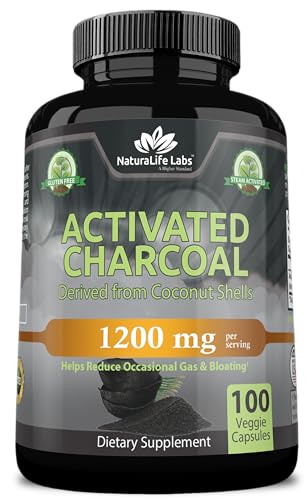
NaturaLife Labs Activated Charcoal 1200 mg per Serving – from Coconut Shells – 100 Veg Capsules – Non-GMO, Gluten-Free, Vegan Best for most families
- Evidence-based GI decontamination that reduces absorption of many toxins under medical guidance.
- Widely used by emergency departments and poison centers; aligns with toxicology protocols.
- Compact, shelf-stable packets fit go-bags; quick to stage in chaotic environments.
- As filter media, reduces some chemicals and taste in water; disinfect separately for microbes.
 info@emerggear.com