Backpacking Stove
Why you need this: During disasters, a compact camping stove lets you safely boil water and cook vital meals anywhere, keeping your family fed and healthy.Backpacking Stove: Complete Guide for Outdoor Cooking and Emergency Preparedness
A backpacking stove is a compact, portable cooking appliance designed to boil water and prepare meals when you are far from a kitchen. Built for reliability and efficiency, a backpacking stove can be a vital tool for hikers, campers, road trippers, field workers, and anyone building a home emergency kit. By delivering a controlled flame almost anywhere, it helps you cook safely, purify water, and maintain comfort even when the power goes out or you are on the move.
Why does this matter? In emergencies, hot food and clean water are more than conveniences—they are essentials. A well-chosen backpacking stove provides a predictable heat source in unpredictable conditions, supporting morale, nutrition, and hygiene. In everyday life, it simplifies outdoor meals, speeds up coffee or tea on chilly mornings, and keeps your load light without sacrificing capability.
Whether you are planning an alpine trek or preparing for natural disasters, a lightweight, fuel-efficient, and durable backpacking stove brings peace of mind and practical performance when you need it most.
How It Works
Most backpacking stoves operate by delivering fuel to a burner where it mixes with air and combusts, producing a concentrated flame. The stove typically features a valve or regulator for flame control, pot supports to stabilize cookware, and sometimes an integrated windscreen or ignition button. Efficiency comes from proper fuel vaporization, good airflow, and effective heat transfer to your pot or pan.
- Fuel types: Common options include canister fuel (isobutane/propane mixes), liquid fuel (such as white gas or kerosene), alcohol, solid fuel tablets, and wood. Each has trade-offs in weight, cold-weather performance, availability, and maintenance.
- Burner and regulator: A valve meters fuel and allows simmer control. Some stoves incorporate a pressure regulator to deliver consistent performance as canister pressure drops in cold temperatures or as fuel is depleted.
- Ignition: Many stoves light with a match or lighter. Some add a piezo igniter for push-button starts, though it is wise to carry a backup ignition source.
- Pot supports and wind management: Stable supports and wind resistance significantly improve boil times, fuel efficiency, and safety. Windscreens are often used with remote-canister or liquid-fuel stoves, while integrated systems channel heat effectively to the pot.
- Heat output and efficiency: Boil time, simmer capability, and fuel consumption vary by design. Efficient heat transfer reduces fuel carried and speeds meal prep.
- Altitude and temperature effects: Cold temperatures lower canister pressure and can affect ignition; liquid-fuel and some remote-canister designs perform better in deep cold. At higher elevations, water boils at lower temperatures, which can alter cooking times.
When the Backpacking Stove Helps Most
- Natural disasters: Power outages after storms, hurricanes, earthquakes, or wildfires make a portable flame invaluable for boiling water, preparing shelf-stable meals, and making warm drinks.
- Home accidents and maintenance: Gas shut-offs, kitchen renovations, or broken appliances can interrupt meal prep; a backpacking stove keeps cooking simple, safe, and contained.
- Workplace and field operations: Surveyors, wildfire crews, wildlife researchers, and construction teams in remote areas can rely on a compact stove for quick meals and sterilizing water.
- Vehicles and travel: Road trips, overlanding, and emergency car kits benefit from a small cooking system for safe, reliable use at rest stops or campsites.
- Outdoor recreation: Backpacking, bikepacking, mountaineering, fishing, hunting, and paddling adventures depend on a stove for efficient, predictable cooking in variable weather.
- Health and hygiene: Boiling water for purification, preparing baby formula or medical solutions, and heating water for basic washing or cleaning implements.
- Cold-weather morale: Hot food and drinks provide warmth and psychological comfort, which is critical during long, challenging days outdoors or in emergencies.
Strengths, Suitability & Limitations
Strengths
- Portability: Lightweight and compact designs fit in small packs without sacrificing core functionality.
- Speed and efficiency: Many stoves can boil water in minutes, reducing fuel usage and time spent exposed to the elements.
- Reliability: When properly maintained, a backpacking stove provides a controlled flame in environments where open fires are impractical or prohibited.
- Versatility: Suitable for everything from quick drinks to full meals; many models offer decent simmer control for delicate cooking.
- Preparedness value: Offers off-grid cooking during outages and disruptions, strengthening home resilience and travel readiness.
What It’s Not For
- Indoor heating or enclosed use: Not a space heater. Do not use in enclosed areas due to carbon monoxide risks and fire hazards.
- Large-group catering: Small burners and limited pot support area make it inefficient for very large pots or high-volume cooking.
- Unattended operation: Stoves require supervision; they are not set-and-forget appliances.
- Open-fire substitutes where banned: Some regions prohibit any flame during high fire danger; always follow local regulations.
Limitations and safety considerations
- Ventilation is critical: Operate outdoors or in very well-ventilated areas to avoid carbon monoxide buildup.
- Stability matters: Use stable, level surfaces; secure wind protection appropriately; and keep flammables away from the flame.
- Fuel temperature and pressure: Cold can reduce canister pressure; pre-warm canisters in a safe manner (e.g., with body heat), never with a flame. Follow manufacturer guidance for liquid-fuel priming and use.
- Overheating risk: Do not enclose canister stoves tightly with windscreens that trap heat around the canister. Monitor for signs of overheating.
- Transport rules: Be aware of regulations for carrying fuels in vehicles, public transport, and air travel.
- Wildfire awareness: Respect fire bans, clear a safe cooking zone, and have water nearby.
What to Look For When Buying a backpacking stove
Choosing the right backpacking stove involves balancing weight, performance, and reliability. Focus on build quality, safety, and features that match your environment and cooking style. Avoid low-quality imitations that cut corners on materials, machining, or safety controls.
- Fuel type and availability: Canister stoves are simple and fast; liquid-fuel options excel in extreme cold and international travel; alcohol and solid-fuel stoves are ultralight but slower; wood-burning stoves use found fuel but depend on conditions and local regulations.
- Performance in your climate: Consider how the stove handles wind, cold, and altitude. A pressure regulator and good wind resistance improve real-world results.
- Weight and pack size: Ultralight gear saves energy on long routes; make sure reductions in mass don’t compromise stability or durability.
- Stability and pot support: Wide, grippy supports reduce tip risk; remote-canister and liquid-fuel stoves often sit lower and handle larger pots better.
- Flame control: Smooth simmer adjustment is essential for sautéing or cooking delicate foods, not just rapid boils.
- Ignition: Built-in piezo ignition is convenient; always carry a backup lighter or matches in a waterproof container.
- Materials and construction: Stainless steel and titanium are common for strength-to-weight; well-machined threads, robust valves, and quality O-rings indicate better longevity.
- Maintenance and field service: Liquid-fuel stoves may require cleaning jets and replacing seals; check that spare parts and basic tools are included or readily available.
- Fuel efficiency and boil time: Efficient systems reduce fuel carried and total cost over time; heat-exchanger pots can improve efficiency.
- Safety and compliance: Choose stoves designed for compatibility with standard fuel canisters and tested to recognized safety requirements. Poor-quality copies can leak, flare, or fail under heat and pressure.
- Packability and integration: Some stoves nest inside a cookware set; consider how your pot, windscreen, and utensils fit together for a compact kit.
- Noise, care, and comfort: Consider burner noise level if you value quiet camps; evaluate how easy it is to clean and service after dusty or sooty trips.
Placement, Storage & Readiness
Good storage habits extend the life of your backpacking stove and ensure it performs when needed. Keep the stove clean, dry, and protected; store fuels safely; and stage your kit so it is easy to deploy under stress.
- Safe storage for fuel: Keep canisters and fuel bottles in a cool, dry, ventilated area away from heat sources, sparks, or direct sunlight. Do not leave pressurized canisters in hot vehicles.
- Protective packing: Nest the stove inside a pot or padded pouch to prevent bent pot supports or damaged threads. Place a small cloth around it to stop rattling and protect nonstick cookware.
- Leak checks: Periodically inspect O-rings, threads, hoses, and valves. Replace worn seals promptly and keep replacement parts in your kit if applicable.
- Ignition redundancy: Include two ignition sources (e.g., mini lighter plus waterproof matches) and a small firestarter as a backup.
- Windscreen and base: Pack a folding windscreen for remote-canister or liquid-fuel stoves and a heat-resistant base to stabilize on snow, sand, or soft ground.
- Pre-trip test: Do a full-function test before every outing or season—assemble, light, simmer, and boil a small pot of water to confirm reliability.
- Readiness for emergencies: Keep a complete cooking set together—stove, fuel, lighter, pot, spork, mug, and a few quick meals—so you can grab and go.
- Cleanliness: Wipe soot, food residue, and dust after use. Clean jets and filters as recommended for your fuel type.
- Regulation awareness: Check local fire restrictions and apartment or building rules about storing fuel; comply to keep your household safe.
How to Use It Properly
The steps below provide a simple, educational overview of safe operation. Always read and follow the instructions specific to your stove and fuel type. Use outdoors or in very well-ventilated areas, maintain a clear safety zone, and never leave a lit stove unattended.
- Choose a safe location: Find a level, non-flammable surface sheltered from strong wind. Clear away dry grass, leaves, and gear.
- Prepare your workspace: Set out the stove, fuel, lighter, pot, water, and windscreen (if appropriate for your stove type). Keep a small amount of water nearby for emergencies.
- Inspect the stove: Check pot supports, valve, seals, and threads for damage or debris. Ensure everything is clean and properly aligned.
- Attach or prepare the fuel: For canister stoves, thread the stove or hose onto the canister by hand until snug—avoid overtightening. For liquid-fuel stoves, fill the bottle, attach the pump, and confirm secure seals.
- Check for leaks: Open the valve briefly and sniff/listen for leaks; close immediately if anything seems off. Do not operate a leaking stove.
- Prime if required: Some liquid-fuel stoves need priming to preheat the generator. Follow your stove’s specific priming instructions at a safe distance from combustibles.
- Ignite safely: Open the valve slightly, then ignite with a lighter or match at the burner. If using a piezo igniter, ensure the spark contacts the fuel stream. Adjust the valve slowly to achieve the desired flame.
- Cook with control: Place the pot carefully on the supports. Use a lid to conserve fuel and reduce boil times. Maintain supervision and keep sleeves and packaging away from the flame.
- Manage wind and heat: Shield the flame appropriately, but never trap heat around a fuel canister. Monitor for signs of overheating and adjust or stop if needed.
- Shut down properly: Close the valve fully to extinguish. Allow the stove to cool completely before handling or packing.
- Disassemble and store: Detach the canister or depressurize/secure liquid-fuel systems as directed. Cap threads, wipe residue, and pack components carefully.
- Dispose of fuel responsibly: Follow local guidelines for empty canisters and fuel bottles. Recycle where accepted and never discard partially full containers in regular trash.
Final Summary
A backpacking stove offers dependable, efficient cooking in places where traditional kitchens and electricity are unavailable. It supports nourishment, hydration, and morale during outdoor adventures and emergencies alike. With the right fuel type, solid build quality, and thoughtful storage, your stove becomes a compact asset you can count on when conditions get tough.
Prepare ahead, choose carefully, and practice regularly. Test your setup before every trip, carry redundant ignition, and respect safety practices and local regulations. By investing in a reliable, well-maintained backpacking stove—and keeping it staged with your go-bag or camping kit—you ensure hot meals, safe water, and greater resilience wherever the trail or life’s surprises take you.
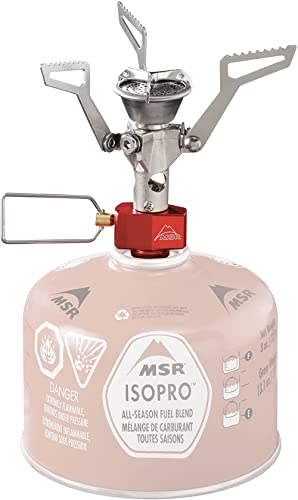
MSR PocketRocket 2 Ultralight Camping and Backpacking Stove Best for most families
- Independent heat for cooking and water sterilization when utilities fail.
- Rolling boil protocol: 1 minute, or 3 minutes above 2,000 meters.
- Runs on compact, widely available canister or liquid fuels; no electricity needed.
- Lightweight and packable for go-bags; fast setup speeds response in field conditions.
 info@emerggear.com