Blanket
Why you need this: When storms hit or power fails, preventing hypothermia matters; this camping blanket keeps you and loved ones warm and dry.A blanket is one of the simplest, most reliable pieces of everyday gear you can own. It is a fabric layer designed to trap warmth, block wind, add comfort, and—in the right form—assist with basic emergency tasks. From cozy evenings on the couch to power outages, roadside breakdowns, and minor fire incidents, the right blanket can help you protect body heat, reduce shock, create privacy, and even smother small flames. Because it is intuitive to use and never needs batteries, a blanket is a low-cost, high-impact addition to any home, car, or workplace kit.
While most people think of a blanket only as bedding, there are specialized variations built for tougher jobs. Wool and technical synthetics excel at warmth and durability; reflective emergency blankets are compact and designed to retain radiant heat; and fire-resistant options can cut off oxygen to small fires in kitchens or workshops. With a little planning, a blanket becomes a multitool: it can be a wrap, a groundsheet, a makeshift shelter layer, a privacy screen, or a safety aid when you need it most.
How It Works
The basic mechanism behind a blanket is straightforward: it creates a protective layer that slows heat loss and shields you from the environment. Different materials and constructions optimize this effect for comfort, portability, or safety.
- Insulation by trapped air: Fibers and lofted weaves hold air pockets that resist heat transfer, keeping warmth close to the body.
- Wind and draft barrier: Dense fabrics reduce convective heat loss caused by moving air.
- Moisture management: Materials like wool and certain synthetics stay warm even when damp and dry quickly, helping maintain comfort.
- Radiant heat reflection: Emergency (aluminized) blankets reflect a large percentage of body heat back toward you, useful in cold or windy conditions.
- Oxygen exclusion for small fires: Fire-resistant blankets work by covering a small flame and starving it of oxygen, aiding in suppression.
- Simple, tool-free deployment: No moving parts, batteries, or training required for basic use—just open, wrap, and adjust.
When The blanket Helps Most
- Natural disasters: During winter storms, hurricanes, or earthquakes, a blanket offers warmth during power outages, padding on cold floors, and privacy in crowded shelters.
- Home accidents: A fire-resistant blanket can help smother a small pan fire; a warm blanket reduces chill and shock after slips, falls, or minor injuries until help arrives.
- Workplace situations: In commercial kitchens, labs, and light manufacturing, a blanket serves as a quick-response tool for small fires and as a warming layer for first aid rooms.
- Vehicles: Keep one in each car for breakdowns, winter commutes, roadside picnics, or to keep passengers warm while waiting for assistance.
- Outdoor activities: Camping, hiking, boating, and stadium events all benefit from a compact blanket for warmth, ground cover, wind protection, or a reflective signal panel in emergencies.
Strengths, Suitability & Limitations
Strengths
- Versatile: Works for warmth, privacy, ground cover, basic first aid comfort, and small-fire response (when fire-resistant).
- Accessible: Easy to use for all ages; no setup required.
- Durable and low-maintenance: Many blankets last years with simple care and have no batteries to manage.
- Portable: Folds or rolls to stash in a closet, go-bag, or vehicle.
- Budget-friendly preparedness: High utility per dollar compared to many specialized tools.
What It’s Not For
- Not a substitute for professional firefighting gear: Use only on small, early-stage fires; evacuate and call emergency services for anything larger or out of control.
- Not life support or medical care: It helps with warmth and comfort but does not replace trained first aid.
- Not a flotation device or weatherproof shelter by itself: Augment with proper rain gear, tents, or tarps as needed.
- Not universally fire-safe: Regular textiles can ignite; only use a fire-resistant blanket for fire suppression.
Limitations and safety considerations
- Flammability: Standard blankets should be kept clear of open flames and hot surfaces.
- Breathing and visibility: Never cover someone’s nose and mouth; keep airways clear.
- Infant safety: Avoid heavy, weighted, or electric blankets for babies; follow safe sleep guidance.
- Electric models: Inspect cords, avoid folds or pinches, keep away from moisture, and unplug when not in use.
- Reflective emergency types: Can tear if punctured; handle with care and carry a spare in critical kits.
- Fiberglass fire blankets: Edges may irritate skin; handle by pull tabs and consider gloves in training scenarios.
What to Look For When Buying a blanket
Choose based on your primary use: daily comfort, outdoor adventure, vehicle backup, or emergency response. A few key criteria make selection easier and safer.
- Material and purpose fit
- Wool: Stays warm when damp, naturally flame-resistant, durable; heavier and bulkier.
- Fleece/synthetic loft: Lightweight, quick-drying, easy to wash; check for anti-pilling quality.
- Down/synthetic insulated: Excellent warmth-to-weight for packs; look for robust shell fabric and well-distributed fill.
- Cotton blends: Soft and breathable for indoor use; less ideal when wet or for cold, windy conditions.
- Reflective emergency: Compact and light; look for reinforced, tear-resistant film and high heat reflectivity.
- Fire-resistant: Fiberglass or similar; ensure clear instructions and a quick-release pouch.
- Build quality
- Strong stitching, bound edges, and reinforced corners enhance durability.
- Even fill distribution in insulated styles prevents cold spots.
- For emergency and fire-resistant types, packaging should be sealed and clearly labeled with usage steps.
- Size and coverage
- Pick dimensions that cover from shoulders to feet with room to tuck.
- For vehicles and go-bags, balance coverage with packability; a compact option per passenger is practical.
- Warmth and weight
- Look at fabric weight (e.g., GSM for fleece or wool) or fill metrics for insulated models.
- Outdoor-focused blankets benefit from wind resistance and some water repellency.
- Safety standards and testing
- Fire blankets: seek compliance with recognized standards (for example, EN 1869 or similar local requirements).
- Textile safety: look for credible flammability or material safety testing (e.g., ASTM methods) and skin-safe certifications where applicable.
- Care and maintenance
- Machine washability, colorfast dyes, and low shed/pilling improve long-term value.
- Clear care instructions help maintain loft and performance.
- Beware of low-quality imitations
- Overly thin films that tear easily, unlabeled materials, missing instructions, or unrealistic claims are red flags.
- Fire-related claims must be backed by testing; avoid anything vague about “handling any fire.”
Placement, Storage & Readiness
Smart staging ensures your blanket is available the moment you need it. Treat it like any other piece of essential gear—visible, reachable, and maintained.
- Home: Keep warm blankets in living areas and bedrooms; store a fire-resistant blanket in the kitchen near an exit (not directly above the stove) with pull tabs visible.
- Vehicles: Stash one per passenger in the trunk or under seats; pair with a small emergency kit including water, snacks, and a light.
- Workplace: Place fire-resistant blankets in kitchens, labs, or workshops with clear signage; include a regular blanket in first-aid or wellness areas.
- Outdoors/go-bags: Pack compact types in an outer pocket for quick access; consider carrying a backup reflective blanket due to low weight.
- Inspection and rotation: Seasonally check for tears, odors, or fabric damage; replace compromised emergency blankets and verify that fire-resistant pouches are intact.
- Care tips: Store wool in breathable bags; avoid long-term compression for down; keep reflective blankets sealed; unplug and store electric styles flat and cool.
- Avoid common mistakes: Don’t bury it at the back of a closet; don’t store fire equipment above heat sources; and don’t assume one blanket covers the whole household—aim for appropriate coverage per person.
How to Use It Properly
For warmth and comfort
- Get out of the wind and off cold ground if possible; use the blanket as a wrap and as a ground layer.
- Cover from shoulders to feet, tucking edges to seal gaps; keep the face unobstructed for easy breathing.
- If wet, replace damp layers and use a dry blanket; reflective types work best when close to the body.
- Monitor for signs of cold stress; add layers or shelter as needed and seek help if conditions worsen.
To smother a small cooking or wastebasket fire using a fire-resistant blanket
- If safe, turn off the heat source and call for help or have someone call emergency services.
- Protect your hands by holding the blanket by its pull tabs or corners, keeping it between you and the flames.
- Approach carefully and lay the blanket gently over the flames to fully cover the fire and cut off oxygen.
- Do not remove the blanket for at least 20–30 minutes; keep the area clear and let it cool.
- Do not use a regular textile blanket on flames, and never use water on grease or oil fires.
At the roadside during a breakdown
- Move to a safe location and activate hazard lights or warning triangles if available.
- Use the blanket to keep passengers warm; a reflective blanket can also improve visibility.
- Stay with the vehicle if advised and wait for assistance while conserving battery power and fuel.
Safety reminders: If you are unsure, prioritize evacuation and call emergency services. Use fire-resistant blankets only for small fires. Keep airways clear when wrapping someone, and never cover faces.
Final Summary
A blanket is a rare piece of gear that excels at both everyday comfort and emergency readiness. Whether you choose wool for rugged reliability, a packable reflective sheet for your go-bag, or a fire-resistant model for the kitchen, you gain a tool that helps protect warmth, calm nerves, and buy critical time in small emergencies.
Prepare proactively: choose the right type for your needs, verify safety markings, stage one in each key location (home, car, work), and practice simple steps like covering a small pan fire or sealing out drafts. With minimal cost and effort, a well-chosen blanket delivers outsized value—comfort when life is normal and confidence when it is not.
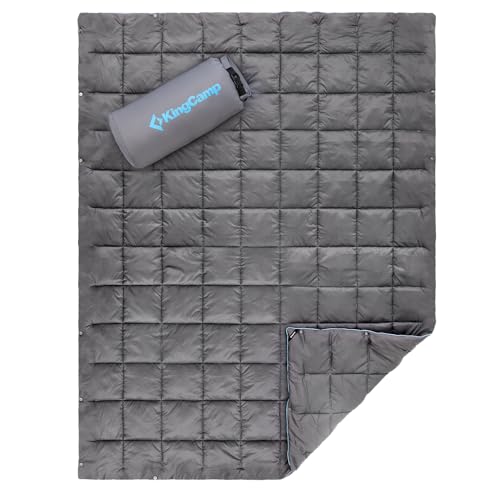
KingCamp Ultralight Camping Blanket, Packable Down Alternative Puffy Wearable Blankets Weatherproof Warm Package Quilt with Snap Buttons for Outdoor Hiking Travel Picnic Stadium (69"L x 53"W, Black) Best for most families
- Reflects up to 90% of radiated body heat to slow hypothermia.
- Windproof, water-resistant layer reduces evaporative and convective cooling.
- Compact and flat; stores in go-bags, vehicles, and first-aid kits.
- Works as ground insulation, shelter liner, or high-visibility signal panel.
 info@emerggear.com