Thermometer
Why you need this: In a crisis with limited medical help, a reliable thermometer lets you detect fever early, guide treatment, and safeguard your family's health.Classic Thermometer: Reliable Temperature Measurement for Home, Work, and Emergencies
A classic thermometer is a simple, analog instrument that measures temperature using a marked scale and a physical change—typically the expansion of a liquid in a thin glass tube or the movement of a metal coil. Its enduring appeal comes from battery-free reliability, clear visual readings, and robust accuracy when used correctly. Whether you are monitoring a fever, checking room or refrigerator temperatures during a power outage, or making sure bath water is safe for a child, the classic thermometer remains a dependable tool in both everyday life and emergency situations.
In preparedness planning and first aid, knowing the actual temperature can guide critical decisions. A classic thermometer can help you identify risks like hypothermia or heat stress, evaluate food safety when refrigeration is uncertain, and verify that sensitive items are stored within safe temperature ranges. Because it is always ready to use and unaffected by dead batteries or connectivity issues, this humble device can make the difference between guessing and acting with confidence.
Beyond emergencies, a classic thermometer supports daily routines: checking indoor comfort, monitoring a greenhouse, calibrating household appliances, or ensuring bath, formula, and cooking temperatures are in a safe range. Its accuracy, simplicity, and durability make it a smart addition to any home toolkit, first aid kit, vehicle glove box, or go-bag.
How It Works
Most classic thermometers operate on straightforward physics. Two common designs are liquid-in-glass and bimetal dial thermometers. Liquid-in-glass models use a narrow capillary tube that fills with a temperature-sensitive liquid. As temperature rises, the liquid expands and moves up the scale; as it cools, the liquid contracts and falls. Bimetal thermometers, often seen as round dials with a pointer, use two bonded metals with different expansion rates; their differential expansion bends a coil that moves the needle along a calibrated scale.
- Liquid-in-glass: Traditionally used with mercury or safer alternatives like dyed alcohol or non-toxic alloys in a sealed glass tube. The meniscus (top of the liquid column) indicates the temperature on the scale.
- Bimetal dial: A coiled strip of two metals drives a pointer around a dial. These respond quickly and are common for ambient and cooking applications.
- Resolution and accuracy: The fineness of the scale markings and the quality of calibration determine how precisely you can read temperature.
- Response time: Classic designs require a brief stabilization period. For body temperature, that may be a few minutes; for air and liquid, typically faster.
- Reading technique: Reduce parallax error by holding the scale at eye level. For liquid-in-glass, read at the center of the meniscus.
- Calibration: Many analog thermometers hold calibration well. Some can be field-checked against known points (for example, near 0 °C/32 °F using an ice bath) or compared with a trusted reference.
When the classic thermometer Helps Most
- Natural disasters and power outages: Verify room temperatures during heat waves or winter storms; monitor refrigerator and freezer temperatures to judge food safety; check body temperature without needing batteries.
- Home accidents and first aid: Evaluate fever; confirm safe bath water temperature; assess risk of heat exhaustion or hypothermia after overexertion or exposure.
- Workplace and facilities: Spot-check cold-chain storage, server rooms, workshops, or laboratories where stable temperatures protect materials and equipment.
- Vehicles: Gauge cabin temperature for infants, pets (never leave them unattended), or sensitive supplies; cross-check engine or fluid temperatures with appropriate, purpose-built thermometers when safe to do so.
- Outdoor activities: Backpacking, camping, mountaineering, and winter sports all benefit from accurate ambient and water temperatures to prevent cold- and heat-related injuries.
- Food safety and cooking: Choose an appropriate classic cooking thermometer to confirm doneness or holding temperatures and to check reheated foods during outages.
- Home and hobby: Greenhouses, seed starting, aquariums, home brewing, and fermenting projects all rely on consistent temperature control.
Strengths, Suitability & Limitations
Strengths
- No batteries, no pairing, no apps: Works anytime, anywhere.
- Clear visual feedback: Easy to read and interpret with practice.
- Durable and long-lived: Quality units keep their calibration over years of use.
- Versatile: Available in designs suited for body temperature, room monitoring, refrigeration, food, and outdoor use.
- Great for preparedness: Ideal backup to verify digital readings or to function when electronics fail.
What It’s Not For
- Not designed for remote, continuous logging without manual checks.
- Not a substitute for specialized industrial gauges in high-temperature or hazardous environments unless rated for that purpose.
- Not ideal for instant, non-contact readings over distances (those require dedicated infrared devices).
- Not meant to diagnose illnesses—temperature readings are informational and should be paired with professional guidance when needed.
Limitations and safety considerations
- Glass can break: Use protective cases and store carefully.
- Mercury hazard: If using older mercury-in-glass units, handle with care. If breakage occurs, avoid contact and follow local hazardous material guidance. Consider non-mercury alternatives.
- Stabilization time: Allow sufficient time for accurate readings; rushing can lead to errors.
- Range constraints: Choose a thermometer rated for the temperatures you expect; avoid exposing it beyond its limits.
- Hygiene: For body or food use, sanitize before and after each measurement to prevent contamination.
What to Look For When Buying a classic thermometer
Selecting the right classic thermometer starts with matching the tool to your task and environment. Focus on accuracy, durability, and safety, and beware of decorative imitations that look authentic but perform poorly.
- Intended use: Clinical (oral, axillary, rectal), ambient/room, refrigerator/freezer, cooking/food, outdoor/weather, or specialty (greenhouse, aquarium). Each has different ranges and designs.
- Measurement range and resolution: Ensure the scale covers your needs (for example, body temperature vs. freezer storage) and has fine-enough increments for precise readings.
- Accuracy and calibration: Look for stated accuracy and whether the unit is factory-calibrated. Some bimetal dials offer user adjustments for fine tuning.
- Readability: Clear, high-contrast markings; anti-glare dial or tube; easy-to-see meniscus; optionally color zones for quick safety checks (e.g., safe food zones).
- Build and materials: Shatter-resistant glass or tough polycarbonate shields; stainless steel probes for food; corrosion-resistant hardware for outdoor use.
- Liquid type: Prefer non-mercury liquids (dyed alcohol or non-toxic alloys) for safety; confirm the fill is appropriate for the expected temperature range.
- Protection and portability: Sheaths, cases, or guards to prevent breakage in kits and go-bags; anti-roll features to keep it from falling off counters.
- Mounting options: Magnets, adhesive backing, stands, suction cups, hooks, or clips—choose what fits your placement plan.
- Water resistance: For kitchen, bath, fridge, or outdoor use, choose designs that resist moisture and are easy to clean.
- Safety standards and documentation: Check that the product adheres to relevant safety and environmental standards and includes clear instructions for use and cleaning.
- Beware of low-quality imitations: Avoid units with flimsy lenses, misaligned scales, overly coarse increments, or “decor-only” labels masquerading as functional tools.
Placement, Storage & Readiness
Proper placement and care protect your investment and ensure accurate, ready-to-go performance when you need it most.
- Home and emergency kits: Keep a classic thermometer in your first aid kit and go-bag. Use a protective case to prevent damage and label it by purpose (e.g., “oral thermometer” or “fridge thermometer”).
- Room placement: For ambient readings, place away from direct sunlight, vents, and heat sources to avoid skewed measurements.
- Refrigerator/freezer: Hang or stand it centrally, not pressed against walls or the door, for a representative temperature reading.
- Kitchen and bath: Use models rated for splash zones; clean and dry them immediately after use.
- Vehicles and outdoors: Store in a padded case out of direct sun; secure it to prevent rolling, rattling, or breakage.
- Inspection routine: Periodically check for cracks, fogging, loose pointers, or bubbles in the liquid column. Replace damaged units promptly.
- Backup plan: Keep a secondary thermometer for critical tasks so you can cross-check readings when accuracy matters.
- Avoid common mistakes: Don’t leave it on hot appliances or car dashboards, don’t exceed the rated temperature range, and don’t store loose in clutter where it may break.
How to Use It Properly
- Choose the right type: Match the thermometer to the task (clinical, ambient, food, refrigerator, or outdoor). Using the wrong type can yield inaccurate or unsafe results.
- Inspect before use: Confirm the glass is intact, the liquid column is continuous, and the dial or scale is legible. If damaged, do not use.
- Clean appropriately: For body or food use, wash the probe or stem with warm, soapy water and disinfect as directed by the manufacturer. Rinse and dry.
- Position correctly:
- Body temperature: Follow the intended method (oral, underarm, or rectal) and the directions provided with the device.
- Ambient room: Place at breathing level, away from drafts, sunlight, and heat sources.
- Food/liquids: Immerse the sensing portion without touching the pan sides or bottom; for thicker foods, insert into the center.
- Refrigerator/freezer: Hang or place in the center of the compartment for a representative reading.
- Allow stabilization: Wait the recommended time for the thermometer to reach equilibrium. Liquid-in-glass models often need a few minutes; bimetal dials usually settle faster.
- Read at eye level: For liquid-in-glass, read the meniscus precisely; for dials, ensure you’re squarely in front of the pointer to reduce parallax error.
- Record and compare: Note the reading, the location, and the time—especially during outages, outdoor trips, or when monitoring illness.
- Clean after use: Sanitize devices used for body or food measurements. Dry thoroughly to prevent corrosion or fogging.
- Store safely: Return the thermometer to its case or mounting point. Keep out of reach of children.
- Stay safe: If a mercury-filled thermometer breaks, avoid contact, ventilate the area, and follow local guidance for cleanup and disposal. Seek professional medical advice for concerning temperature readings or symptoms—this tool is informational, not diagnostic.
Final Summary
The classic thermometer delivers dependable, battery-free temperature readings in moments that matter—during power outages, on the road, outdoors, and in everyday routines. Its simplicity, durability, and clarity make it an essential tool for safety, comfort, and preparedness. With the right choice for your needs and a little care in storage and use, this humble instrument will serve for years.
Build your readiness now: add a classic thermometer to your first aid kit, keep one in the kitchen and fridge, and stage another for outdoor or vehicle use. Learn to read it accurately, cross-check when stakes are high, and maintain it with regular inspections. The payoff is confidence—reliable information, right when you need it.
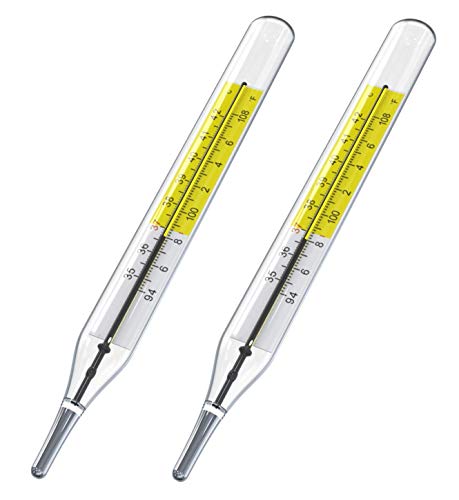
2pcs Glass Thermometers Mercury Free Clinlic Thermometer Traditional Thermometer Dual Scale Mercury Free C&F 2PK Best for most families
- Battery-free analog operation works in blackouts and remote settings.
- Confirms fever thresholds (≥38°C / 100.4°F) for triage and infection control.
- Tracks temperature trends for hypothermia or heat illness decisions in the field.
- Alcohol-wipe disinfection and compact form fit field kits and go-bags.
 info@emerggear.com