Hand Crank Radio
Why you need this: When disasters cut power, an emergency radio keeps you informed and powered so you can reach help and protect your family.A crank radio is a compact, self-powered emergency radio that turns human effort into reliable energy. By spinning a small hand crank, you generate electricity that charges an internal battery, allowing the radio to deliver news, weather alerts, and critical guidance even when the power grid and mobile networks are down. In other words, it creates a communication lifeline you control with your own hands. Beyond major emergencies, a crank radio is useful during everyday mishaps—like a neighborhood power cut, a dead phone at a campsite, or a vehicle breakdown—because it offers information, light, and limited device charging without depending on outlets or disposable batteries.
When a storm takes out cell towers or crowds a single network, voice calls and data can fail just when you need them most. Traditional broadcast radio often remains on the air thanks to backup generators and resilient infrastructure. A crank radio bridges the gap by providing consistent access to AM/FM and weather broadcasts, plus helpful extras like a flashlight and power bank function. It is a small tool that delivers an outsized advantage in preparedness, helping you stay informed, stay calm, and make safer decisions when it counts.
How It Works
At the heart of every crank radio is a simple, time-tested mechanism: a hand-cranked dynamo. Turning the crank spins a tiny generator that converts your motion into electricity. That electricity either feeds the radio directly or, more commonly, charges an internal battery. This stored energy then powers the radio’s tuner, speaker, flashlight, and USB outputs. Many modern units add extra power sources like a small solar panel or a USB charging port so you have several ways to keep it running.
- Hand-crank generator: Your motion creates electricity, offering power on demand without wall outlets.
- Internal battery: Stores the energy you crank so the radio can run steadily and power features like alerts, a flashlight, or a phone-charge output.
- Multiple power inputs: Many models support crank, solar, and USB charging for flexibility in different conditions.
- Radio bands: AM for long-range news, FM for local updates, and dedicated weather band channels for official alerts and forecasts.
- Alert functionality: Some units can automatically switch on and sound a tone when a weather alert is broadcast (e.g., SAME/area-specific alerts where available).
- Auxiliary features: LED flashlight, SOS tone, headphone jack, and basic USB power bank capability to top up small devices.
The most important concept is that a crank radio removes your dependence on the grid. If you can turn the handle, you can get information—making it a powerful tool for resilience and peace of mind.
When The crank radio Helps Most
- Natural disasters: Hurricanes, tornadoes, blizzards, wildfires, floods, and earthquakes can cut power and crush cell coverage. A crank radio keeps you updated on evacuation routes, shelter availability, and life-saving weather alerts.
- Severe storms and power outages: During blackouts, stay informed about restoration timelines, boil-water advisories, and safety notices from local authorities.
- Home accidents or infrastructure issues: From downed lines to a blown transformer, a crank radio provides reliable updates while you troubleshoot or wait for repair crews.
- Workplace disruptions: If your office loses power or communications, a shared radio becomes a central information hub for staff and visitors.
- Vehicles and roadside emergencies: A dead battery or remote breakdown can isolate you. Get traffic advisories, weather changes, and emergency bulletins while conserving your phone battery.
- Camping, hiking, fishing, and hunting: Off-grid excursions benefit from a compact radio that supplies forecasts, hazard warnings, and a backup light without extra batteries.
- Travel and remote locations: In areas with weak cellular coverage, broadcast radio often remains your most dependable source of local news and alerts.
- Preparedness kits and drills: Keep one in your home emergency kit, go-bag, vehicle kit, and workplace cache so information is always within reach.
Strengths, Suitability & Limitations
Strengths
- Self-powered reliability: Works without outlets or disposable batteries; you control the runtime with the crank.
- Broadcast resilience: AM/FM and weather channels are often maintained during disasters with professional backup systems.
- Multi-function utility: Combines radio, flashlight, and basic device charging in one compact tool.
- Easy to use and share: Simple controls make it accessible to people of all ages; one unit can inform a whole group.
- Long shelf life: With periodic top-ups and checks, it can sit ready in a kit for years.
What It’s Not For
- Not a two-way radio: It can’t transmit your location or messages like a walkie-talkie or emergency beacon.
- Not a high-capacity power bank: Cranking provides modest energy—enough for brief phone calls or texts, not for repeatedly charging large devices.
- Not a marine or heavy-industrial radio: Unless specifically rated, it isn’t designed for continuous exposure to spray, dust, or extreme vibration.
- Not a substitute for official emergency gear: It complements, but does not replace, items like first aid kits, dedicated signaling devices, or professional radios.
Limitations and safety considerations
- Crank speed and duration matter: Overly fast or forceful cranking can damage gears. Follow the recommended pace and duration.
- Battery wear is normal: Like all rechargeables, capacity will decline over time; routine maintenance helps.
- Charging phones while cranking: Some units allow this; others recommend charging the internal battery first to avoid voltage spikes. Check your manual.
- Water resistance varies: Unless rated, keep it dry. Avoid submersion and wipe off moisture promptly.
- Heat and cold: Extreme temperatures reduce battery performance and may cause permanent damage. Store in a temperate environment.
- Use caution with moving parts: Keep fingers, hair, and clothing away from the crank mechanism while spinning.
What to Look For When Buying a crank radio
Quality varies widely. Focus on features that improve reliability, safety, and real-world usability. Be wary of exaggerated claims like “a few seconds of cranking powers hours of audio.” A practical, well-built unit is always better than a flashy gadget that fails when you need it most.
- Power options: Crank plus at least one other method (USB input and/or solar). Multiple inputs give you more flexibility during long events.
- Battery design: A robust, protected rechargeable battery; replaceable batteries are a bonus. Higher capacity generally means longer runtime.
- Power output: A regulated USB port for topping up phones or small devices; look for clear specs and safe charging protections.
- Radio coverage: AM/FM and dedicated weather band reception, with an automatic weather alert feature if possible. SAME (Specific Area Message Encoding) support helps filter alerts to your region.
- Tuning and controls: Clear dial or digital tuner, stable tuning, helpful indicators, and controls you can operate with cold or gloved hands.
- Antenna quality: A sturdy telescoping antenna improves reception. An external antenna input is a useful bonus in fringe areas.
- Audio and connectivity: A speaker loud enough for group listening and a headphone jack for quiet, power-saving use.
- Lighting and signals: A practical LED flashlight with low-power mode; optional SOS tone or beacon for emergencies.
- Build and materials: Solid plastics or composites, reinforced hinges, and a crank that locks down securely. Look for water resistance and basic drop protection if you’ll use it outdoors.
- Ergonomics: Comfortable crank handle, non-slip grip, and an enclosure that’s easy to hold during prolonged use.
- Size and weight: Compact enough for a go-bag yet substantial enough to withstand frequent handling.
- Safety and compliance: Overcharge, overcurrent, and thermal protections for the battery; recognizable compliance markings and a clear user manual.
- Avoid low-quality imitations: Red flags include vague specifications, unrealistic runtime promises, flimsy cranks, or missing documentation.
Placement, Storage & Readiness
Strategic placement ensures a crank radio is within reach when you need it. Store one in your home emergency kit, another in your vehicle, and consider keeping one at work. Each location should include a short checklist and any necessary cables.
- Home: Entryway closet, kitchen drawer, nightstand, or safe room—wherever the family can find it fast in the dark.
- Vehicle: Glove box or center console, protected from extreme heat and direct sun; add a small pouch for cables and a laminated local station list.
- Workplace: In a desk drawer or team emergency kit with spare batteries (if supported) and a printed operating guide.
- Outdoor gear: Go-bag, camping bin, or hiking pack; store in a protective pouch with silica gel to reduce moisture.
Maintenance and staging tips:
- Give the internal battery a periodic top-up (crank or USB) every 1–3 months.
- Test reception and update your station list (AM, FM, weather channels) twice per year or after moving.
- Label the radio with local weather frequencies and regional alert codes if applicable.
- Keep the antenna collapsed when stored and extend fully during use for best reception.
- Record a maintenance date on a small card and store it with the radio.
- Avoid storing fully depleted or fully topped off for long periods; a mid-level charge is healthiest for most rechargeable batteries.
Common mistakes to avoid: Leaving the battery empty for months, storing in extremely hot vehicles, forgetting the charging cable, and packing the radio so deep in a kit that you can’t reach it quickly. Make it easy to grab, easy to operate, and easy to maintain.
How to Use It Properly
- Inspect and set up: Place the radio on a stable surface. Unfold the crank and extend the antenna.
- Prime the power: Turn the crank at a steady, moderate speed for a few minutes to build an initial charge. Avoid cranking too fast or with excessive force.
- Power on and tune: Switch to the desired band (weather, AM, or FM). Start with weather channels for alerts and local hazard updates.
- Optimize reception: Rotate or relocate the radio for the clearest signal. Near a window or higher shelf often works better indoors.
- Set alerts (if available): Enable the weather alert function and configure area codes if your unit supports SAME.
- Conserve energy: Use the lowest comfortable volume, consider headphones for solo listening, and keep listening sessions short when running only on crank power.
- Use the flashlight as needed: Select low mode for navigation and high mode only for brief tasks to preserve power.
- Charging a phone: If safe for your model, connect by USB. For best results, charge the radio’s internal battery first, then charge your phone with the radio powered off or at minimal volume.
- After use: Add a few minutes of cranking or a USB recharge to store the radio with a mid-level charge. Fold the crank and collapse the antenna.
- Log the next check: Note a quick maintenance date so you remember to test and top up again.
Safety reminders: Keep fingers and loose clothing clear of the crank mechanism; do not operate in standing water; and follow your manual’s guidance on charging while cranking. If the radio becomes hot, stop and let it cool before resuming.
Final Summary
A crank radio is a small, affordable tool that can make a big difference when the unexpected happens. It delivers self-powered information when grid electricity and cell coverage are unavailable, combining radio broadcasts, weather alerts, lighting, and limited device charging in a single package. Whether you’re building a home emergency kit, outfitting a vehicle, or preparing a go-bag, adding a crank radio strengthens your plan.
The key is readiness: choose a well-built unit, store it where you can find it fast, and give it a quick monthly top-up. If you can turn the crank, you can get the news, hear the alerts, and take smarter action. That confidence is the real value—because in a crisis, timely information saves time, reduces stress, and can save lives.
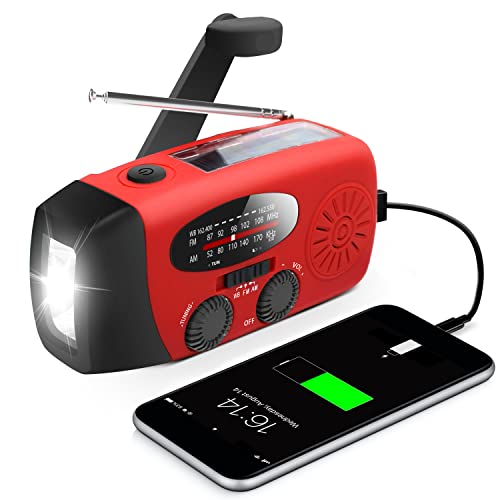
RunningSnail Emergency Hand Crank Radio With LED Flashlight For Emergency, AM/FM NOAA Portable Weather Radio With 2000mAh Power Bank Phone Charger, USB Charged & Solar Power For Camping, Emergency Best for most families
- Independent power: the hand-crank dynamo produces electricity on demand.
- Reliable information: receives AM/FM and NOAA Weather Radio emergency broadcasts.
- Critical uptime: USB output can top up phones for brief calls or texts.
- Resilient communications: broadcast transmitters cover large regions when cell networks are overloaded.
 info@emerggear.com