Duct Tape
Why you need this: When emergencies demand fast fixes, duct tape helps you control damage and keep your household safe until permanent repairs are possible.Duck Tape: The Essential Guide for Quick Repairs, Everyday Accidents, and Emergency Preparedness
Duck tape is a cloth-backed, pressure-sensitive adhesive tape known for its strong grip, flexibility, and quick-fix convenience. Built with a rugged fabric scrim, a moisture-resistant backing, and a high-tack adhesive, it sticks to a wide range of surfaces and can be torn cleanly by hand. That makes it a go-to tool for fast, temporary repairs when you don’t have time or tools to do a permanent fix.
Why does it matter? In the middle of an unexpected leak, a cracked plastic panel, a loose cable, or storm damage, duck tape can buy you time—securing parts, sealing drafts, bundling items, and preventing minor problems from becoming bigger hazards. For home users, travelers, DIYers, and preparedness-minded individuals, it’s a compact, affordable insurance policy that shines during emergencies and everyday accidents.
While it’s not a cure-all, duck tape is an indispensable addition to toolboxes, vehicles, go-bags, and workplace kits. Use it to stabilize, seal, label, and reinforce until a proper, permanent repair can be made.
How It Works
Duck tape combines three layers to deliver reliable performance: a polyethylene top layer that resists moisture and abrasion, a cloth scrim that adds tensile strength and enables easy hand tearing, and a pressure-sensitive adhesive that “wets out” surfaces and creates a strong bond with firm pressure. It’s designed to conform to irregular shapes, wrap around curves, and hold tight across different materials.
- Pressure-sensitive bond: The adhesive adheres best when pressed firmly; more pressure improves contact and grip.
- Surface prep matters: Clean, dry surfaces dramatically improve adhesion. Dust, oil, and moisture weaken the bond.
- Mechanical strength from the scrim: The fabric grid resists stretching and tearing, so wraps and patches hold together under stress.
- Moisture resistance: The top film helps repel water; however, most duck tape is water-resistant, not fully waterproof when submerged long-term.
- Temperature sensitivity: Cold reduces tack; heat and UV can age the adhesive. Storage and application conditions affect performance.
When The duck tape Helps Most
- Natural disasters: Secure tarps over roof leaks, seal drafts around doors and windows, label hazards, bundle broken debris, and keep protective sheeting in place during storms. Use as a temporary measure only; it’s not a structural fix.
- Home accidents: Patch a cracked vacuum hose, hold a loose vent cover, reattach a fallen baseboard temporarily, reinforce a torn window screen edge, or stop a rattling panel until repairs are scheduled.
- Workplace situations: Bundle cables, mark temporary walkways, secure protective plastic during painting, label tools or bins, and stabilize light guards or fixtures pending maintenance (follow on-site safety policies).
- Vehicles: Reattach a dangling trim piece, secure a loose side mirror housing, tape down a flapping wheel-well liner, or affix an emergency warning note. Avoid use on hot engine parts, fuel lines, or critical safety systems.
- Outdoor activities: Patch a tent fly, reinforce a backpack strap, mend a cracked cooler lid, fix a torn rain jacket hem, or create a quick gear wrap for fishing rods and poles.
Strengths, Suitability & Limitations
Strengths
- Versatile: Bonds to many materials, including plastics, painted metal, wood, and fabric.
- Fast and user-friendly: Tear by hand, apply on the spot, and shape it around irregular surfaces.
- Strong initial grip: High tack helps secure loose parts and seals light drafts quickly.
- Resists moisture and abrasion: Ideal for temporary outdoor fixes and protective wraps.
- Affordable and compact: Easy to stock in multiple kits without much cost or space.
What It’s Not For
- Permanent structural repairs: Not a substitute for screws, welds, adhesives designed for load, or professional fixes.
- High heat or pressure systems: Avoid exhausts, hot manifolds, fuel lines, or pressurized plumbing.
- Electrical insulation or medical use: Do not use in place of certified electrical tape or medical supplies.
- Life-safety applications: Never rely on duck tape for fall protection, climbing gear, or critical load-bearing tasks.
Limitations and safety considerations
- Residue risk: Adhesive can leave marks; test on inconspicuous areas, especially on finished surfaces.
- UV and heat aging: Prolonged sun exposure and high temperatures can weaken the bond and backing.
- Surface sensitivity: Poor adhesion on dusty, oily, wet, silicone-treated, or low-energy surfaces (e.g., some polyethylene and PTFE).
- Moisture trapping: Seals may trap condensation; inspect metal surfaces for corrosion under long-term patches.
- Skin irritation: Avoid direct skin contact; not intended for wound closure or long-term wear.
- Fire safety: Most duck tape is not fire-retardant; keep away from open flames and very hot components.
What to Look For When Buying a duck tape
Not all rolls are equal. The right choice depends on your tasks and environment. Focus on material quality, adhesive performance, durability, and size so your tape works when you need it.
- Adhesive quality: Look for strong initial tack and good shear strength (holds under load without sliding). Balanced adhesion reduces residue while staying put.
- Backing thickness: A thicker polyethylene film improves abrasion resistance and puncture protection.
- Cloth scrim density: Heavier scrim (more threads per inch) usually means better tensile strength, cleaner hand-tear, and less stretching.
- Weather and temperature range: Choose formulations that handle UV exposure and the temperatures you’ll face—vehicle interiors, cold winters, or hot workshops.
- Width and length: Common widths range from about 1 inch for small gear fixes to roughly 2 inches for general-purpose sealing and wrapping. Longer rolls are more economical for home and workplace kits.
- Conformability: Good flexibility helps wrap complex shapes and maintain edge seal around curves.
- Residue behavior: If you frequently tape finished surfaces, pick a product known for manageable cleanup.
- Color/visibility: High-visibility colors help mark hazards; neutral tones blend into surroundings.
- Shelf life and packaging: Factory-sealed rolls store better. Check manufacture or lot dates when available and rotate stock periodically.
Watch out for low-quality imitations: Extremely thin backings that tear unpredictably, adhesives that feel greasy or dry, or rolls that delaminate easily are red flags. Overstated claims like “works on everything” or “permanent repair” are unrealistic—duck tape is a temporary solution.
Placement, Storage & Readiness
Strategic placement ensures duck tape is within arm’s reach when time matters. Keep fresh rolls where you spend the most time and where problems pop up.
- Home: Toolbox, utility room, kitchen drawer for quick fixes, and near emergency supplies.
- Vehicle: Glove box or trunk with your roadside kit (away from engine heat).
- Workplace: Maintenance carts, supply closets, and safety stations (comply with site policies).
- Outdoors/Travel: Backpack, camping tote, or wrapped around a water bottle or trekking pole for ultralight carry.
- Storage tips: Keep dry, cool, and out of direct sunlight. Excess heat or UV ages the adhesive and backing.
- Inspection: Check for dried, brittle, or oozy adhesive; frayed edges; or layers that won’t separate cleanly. Replace suspect rolls.
- Staging: Pre-cut and stick strips to wax paper or a release liner for fast deployment; round corners to prevent lift.
- Rotation: Date your rolls and rotate every 12–24 months for best performance.
- Avoid common mistakes: Don’t store on dashboards, near heaters, or where chemicals and oils can contaminate the edges.
How to Use It Properly
- Assess the problem: Decide if duck tape is appropriate as a temporary fix. Avoid life-safety, high-heat, or pressurized systems.
- Prepare the surface: Remove dust, oil, and moisture. A clean, dry surface dramatically increases adhesion.
- Measure and pre-cut: Cut the length you need before positioning. Round the corners of patches to reduce peeling.
- Apply with firm pressure: Start in the center and press outward to remove air pockets. Don’t overstretch the tape; tension can cause edge lift.
- Reinforce if needed: Overlap seams by at least 1–2 cm and cross-wrap wraps for added strength.
- Test and monitor: Tug gently to confirm hold. Reapply or add layers if edges lift or the surface flexes.
- Removal and cleanup: Peel back slowly at a low angle. If residue remains, use an appropriate adhesive remover suitable for the surface, and ventilate the area.
- Safety reminder: Duck tape is for short-term fixes. Arrange a proper repair or replacement as soon as practical.
Final Summary
Duck tape delivers fast, reliable, and budget-friendly temporary repairs across home, vehicle, workplace, and outdoor scenarios. It excels at stabilizing parts, sealing light leaks, bundling gear, and protecting surfaces until you can complete a permanent fix. Choose quality rolls, store them correctly, and stage pre-cut strips for speed.
Bottom line: Add duck tape to every kit you rely on—one at home, one in your vehicle, and one in your go-bag. With a small investment and simple know-how, you’ll be far better prepared for everyday accidents and unexpected emergencies.
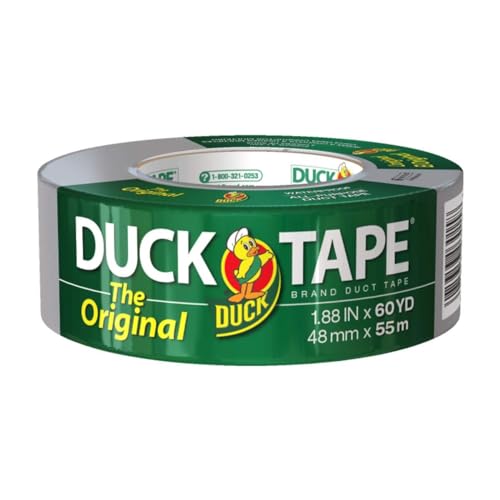
The Original Duck Brand Duct Tape, 1-Pack 1.88 Inch x 60 Yard, Silver (394475) Best for most families
- Reinforced cloth backing resists tearing and shear loads under field use.
- Pressure-sensitive adhesive bonds to metal, plastic, fabric, and wood.
- Creates temporary, air-resistant seals for leaks, drafts, and contaminated air pathways.
- Enables quick gear repairs and splint stabilization without tools.
 info@emerggear.com