Dust Mask
Why you need this: An N95 respirator protects your lungs when smoke, ash, and debris fill the air, letting you breathe easier and protect your family.N95 Dust Mask Guide: Protection, Fit, and Preparedness
An N95 dust mask is a tight-fitting, disposable respirator designed to filter airborne particulates such as fine dust, smoke, and bioaerosols. It matters because breathing clean air is fundamental to safety and health—during everyday DIY tasks and in emergencies alike. Whether you’re navigating wildfire smoke, cleaning up after a home mishap, or assembling a vehicle emergency kit, a well-fitted N95 dust mask can reduce exposure to particulate hazards and buy you time to reach safer air.
In practical terms, a dust mask N95 is compact, affordable, and easy to stage in multiple locations. It can help during unexpected accidents (like sudden dust from a broken wall panel), urgent evacuations (such as during a smoke incident), or routine projects (sanding, mowing, or attic cleaning). The critical caveat: performance depends on proper fit and correct use. An N95 dust mask is not a cure-all, but it is a powerful, portable layer of protection in your readiness plan.
How It Works
The N95 dust mask uses multiple layers of specialized nonwoven fibers to filter airborne particulates. Filtration is not just about acting like a sieve; it relies on a combination of mechanical interception, impaction, diffusion, and electrostatic attraction. When paired with a good face seal, these mechanisms capture particles across a wide range of sizes, including fine particles that linger in smoky or dusty air.
- At least 95% filtration (under test conditions): “N95” denotes a minimum 95% filtration of non-oil aerosols when the respirator is used as tested and intended.
- Tight face seal: Filtration media can’t work effectively if air bypasses the mask edges. A proper seal is essential.
- Electrostatic fibers: The filter media often uses an electrostatic charge to attract and capture particles too small for mechanical filtering alone.
- Breathability vs. protection: Quality designs balance airflow resistance and filtration efficiency to maintain comfort while protecting.
- Non-oil environments: The N95 rating covers non-oil particulates. In oily aerosol environments, different ratings are required.
When the Dust Mask N95 Helps Most
- Natural disasters: Wildfire smoke exposure during evacuations; post-earthquake debris dust; dust storms; volcanic ashfall. An N95 dust mask can reduce inhalation of fine particulate matter while you seek cleaner air.
- Home accidents and cleanups: Sudden drywall breaks, attic or crawlspace dust, light mold spore exposure during preliminary cleanup (for prolonged or heavy mold work, more protective equipment may be needed), and sweeping dusty areas.
- Workplace and DIY tasks: Sanding, grinding, or cutting materials that release dust; yardwork and leaf blowing; carpentry and hobby projects where particulate exposure is likely.
- Vehicles and travel: Keeping an N95 dust mask in your glove box or emergency kit for wildfire smoke during road closures, airbag deployment residue and cabin dust, or dusty roadside work (changing a tire on dirt shoulders).
- Outdoor activities: High-pollen days, dusty trails, crowded urban environments with particulate pollution, or construction detours where dust is present.
Strengths, Suitability & Limitations
Strengths
- High-efficiency particulate filtration: Reduces exposure to PM2.5, dust, smoke particles, and aerosols when properly fitted.
- Portable and affordable: Easy to stash in go-bags, toolboxes, vehicles, and desk drawers.
- No power required: Passive protection that works anywhere, anytime.
- Versatile across scenarios: Useful for both emergencies and routine DIY tasks.
What It’s Not For
- Gases, vapors, or chemicals: N95 dust masks do not protect against carbon monoxide, solvents, or other hazardous gases.
- Oxygen-deficient environments: Not suitable for firefighting, confined spaces, or areas with low oxygen.
- Heavy toxic dusts or specialized hazards: Tasks like asbestos or certain lead paint abatement require specialized equipment and training.
- Poor fit situations: Significant facial hair, incompatible eyewear, or incorrect sizing can compromise the seal.
Limitations and safety considerations
- Fit is everything: Even the best filter media fails if air leaks around the edges. Perform a seal check each time you put it on.
- Moisture and wear: Straps fatigue, nose clips deform, and sweat or moisture can degrade performance. Replace when damaged, dirty, or wet.
- Breathing resistance: Any respirator adds effort to breathing. If you feel lightheaded or short of breath, move to fresh air and reassess.
- Valves and source control: Exhalation valves can increase comfort but may not filter exhaled air; they are not appropriate where outward filtration is required.
- Certification matters: Use certified, properly labeled respirators. Be cautious of counterfeits and vague claims.
What to Look For When Buying a dust mask N95
Quality varies. Focus on features that support a reliable seal, comfortable wear, and verified performance. Beware of low-quality imitations that exaggerate claims or omit proper labeling.
- Certification and markings: Look for clear certification markings appropriate to your region and intended use. Legitimate N95 respirators typically display approval numbers, model identifiers, and labeling indicating their filtration class.
- Headbands over ear loops (for tight seal): Headband-style straps generally provide better tension and fit compared to ear loops on many faces.
- Adjustable nose clip and cushion: A malleable metal clip and soft nose foam help achieve a reliable seal and reduce fogging.
- Shape and fold type: Cup-shaped masks hold their form; fold-flat styles pack smaller and travel well. Choose based on storage and comfort preferences.
- Size and fit options: Faces vary. If possible, try different sizes or shapes to find a snug, comfortable seal without pressure points.
- Breathability: Efficient filtration with manageable breathing resistance improves compliance during longer wear.
- Exhalation valve (context-dependent): Valves can increase comfort by reducing heat buildup but allow unfiltered exhalation; avoid where outward filtration is important.
- Build quality: Robust strap anchors, consistent stitching or welds, uniform filter media, and clean edges reduce premature failure.
- Packaging and shelf life: Individually wrapped units resist dust and deformation. Check any shelf-life guidance and store spares properly.
- Red flags for counterfeits: Missing or inconsistent markings, claims of “100% filtration,” spelling errors on packaging, and extremely low prices can indicate impostors.
Placement, Storage & Readiness
Strategic placement ensures your N95 dust mask is within reach when you need it most. Stash multiples in everyday and emergency locations, and protect them from damage.
- Home and workplace: Keep masks in entry closets, utility rooms, tool chests, and desk drawers.
- Vehicle kits: Store a few in the glove box, center console, or trunk organizer. Avoid crushing and protect from extreme heat when possible.
- Go-bags and travel kits: Slip a couple of individually wrapped masks into your emergency bag, carry-on, or daypack.
- Protection from elements: Keep in a clean, dry, non-UV-exposed spot. Consider resealable bags to keep dust off, but ensure masks are dry before sealing.
- Inspection routine: Before use, check for tears, deformed nose clips, degraded straps, contamination, or strong odors. Discard compromised masks.
- Rotation and labeling: Mark acquisition dates on outer packaging and rotate older stock forward.
- Common mistakes to avoid: Leaving masks loose at the bottom of a tool bag, storing in damp locations, reusing visibly soiled masks, or wearing with facial hair that breaks the seal.
How to Use It Properly
- Clean your hands: Wash or sanitize before handling the mask to keep the filter surface clean.
- Inspect the mask: Confirm the straps are secure, the nose clip is intact, and the filter is undamaged and dry.
- Prepare the shape: For fold-flat styles, open fully. Pre-curve the nose clip slightly to match your nose bridge.
- Position on your face: Place the mask over your nose and mouth with the bottom edge under your chin.
- Set the straps: Pull the top strap over your head and rest it high on the crown. Place the bottom strap around the neck, below the ears. Ensure straps are not twisted and hair is clear of the seal area.
- Mold the nose clip: Using two fingers of both hands, press the clip to conform to the shape of your nose. Avoid using one hand, which can create gaps.
- Seal check: Cup your hands around the mask. Inhale sharply— the mask should collapse slightly. Exhale— feel for air leaks around the edges. If you detect leaks, readjust the nose clip and straps and repeat the check.
- During use: Avoid touching the mask. Replace it if breathing becomes difficult, it gets wet/dirty, or the mask is damaged.
- Removal: Clean your hands. Tilt your head slightly forward, then remove by lifting the bottom strap first and then the top strap, without touching the front of the mask.
- After use: Discard in a proper waste container if the mask is soiled or after heavy use. If temporarily storing for short-term reuse in non-medical contexts, place it in a breathable paper bag and allow it to dry. Wash hands again.
- Safety reminder: Do not use an N95 dust mask in atmospheres low in oxygen, containing hazardous gases/vapors, or in environments beyond its rating. If symptoms like dizziness or headaches occur, move to fresh air immediately.
Final Summary
A well-chosen, properly fitted N95 dust mask is a compact, multi-scenario tool that supports cleaner breathing during both emergencies and everyday projects. It excels at reducing exposure to fine particulate hazards—especially when the air turns dusty or smoky without warning.
Build readiness by stocking quality masks, storing them correctly, and practicing a quick seal check. Keep a few in your home kit, vehicle, and go-bag so you can act fast when air quality deteriorates. While an N95 dust mask isn’t a solution for every hazard, it’s a powerful, portable layer of protection that helps you stay calm, mobile, and safer until you reach cleaner air.
Prepare today so you can breathe easier tomorrow.
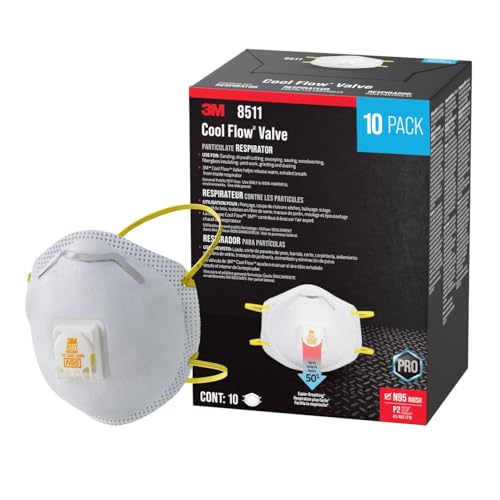
3M N95 Respirator 8511, Cool Flow Valve, 10 Pack, NIOSH-APPROVED, Advanced Filter Media For Easy Breathing, Comfortable For Long Periods Of Wear, Helps Filter Pollen, Mold Spores & Dust (8511PB1-A-PS) Best for most families
- Filters at least 95% of airborne particles at 0.3 microns when properly fitted and sealed.
- Reduces inhalation of ash, dust, and wildfire smoke particulates during evacuation and debris cleanup.
- Compact and packable for go-bags; quick to don correctly under stress.
- Not for gases or low oxygen; replace if wet, damaged, or breathing becomes difficult.
 info@emerggear.com