Electrical Tape
Why you need this: In emergencies, electrical tape helps insulate and secure wiring, reducing shock and fire hazards to protect your family and home.Electrical Tape: A Practical, Preparedness-Focused Guide for Safe Insulation and Quick Repairs
Electrical tape is a flexible, pressure-sensitive, nonconductive tape designed to insulate, bundle, and protect electrical connections. Most commonly made from vinyl or rubber backings with a strong adhesive, it provides a quick and effective barrier against accidental contact and short circuits. In daily life, it’s the kind of tool that sits quietly in a drawer until the moment you really need it—then it’s invaluable. From taming messy cables to temporarily insulating an exposed wire in a pinch, electrical tape adds a vital layer of safety and order.
In emergencies—such as after a storm, during a road trip, or when a cord gets nicked during a weekend project—electrical tape can serve as a fast, temporary fix to protect users from live parts until a permanent repair is made. It’s not a cure-all, but when used correctly, it can dramatically reduce risk, keep gear running, and help you stay organized and safe. For preparedness-minded households and workplaces, a reliable roll of electrical tape is an affordable, lightweight addition to every kit.
How It Works
Electrical tape relies on three core elements: an insulating backing, a pressure-sensitive adhesive, and the ability to stretch and conform. The backing—typically vinyl or rubber—provides dielectric insulation to help block electrical current from escaping to adjacent conductors, surfaces, or fingers. The adhesive bonds to clean, dry surfaces under light pressure, and the tape’s stretch helps it mold tightly around wires and connectors, improving coverage and sealing small gaps.
- Insulating backing: Vinyl and rubber backings deliver nonconductive protection and abrasion resistance.
- Pressure-sensitive adhesive: Sticks with firm pressure; no heat or solvent activation is required.
- Stretch and conformability: A controlled stretch helps create a snug, overlapping wrap for better coverage.
- Layering: Multiple wraps increase insulation and mechanical strength around joints, splices, or jackets.
- Ratings that matter: Temperature and voltage ratings define where and how the tape can be safely used.
When Electrical Tape Helps Most
- Natural disasters: After windstorms or earthquakes, use electrical tape to temporarily insulate scuffed cord jackets or cap off exposed ends until a professional repair is possible. Always de-energize circuits first.
- Home accidents: For a nicked extension cord jacket or a frayed lamp cord sheath (with intact conductors), wrap carefully to restore a protective jacket and prevent accidental contact.
- Workplace situations: Bundle cords to reduce trip hazards, color-code circuits and tools, and add strain relief to connectors that see frequent movement.
- Vehicles: On the road or trail, wrap chafed wire jackets, secure small harnesses, and add a bit of abrasion protection to areas rubbing against edges—always away from heat sources and moving parts.
- Outdoor activities: While camping or overlanding, mark cables and gear by color, protect low-voltage connections inside enclosures, and keep small electrical repairs organized and insulated.
Strengths, Suitability & Limitations
Strengths
- Insulation and safety: Provides a nonconductive barrier around wire jackets, splices, and connectors.
- Fast and versatile: Works on cords, tools, and small appliances for quick fixes and labeling.
- Stretch and seal: Conforms to irregular shapes, helping reduce gaps and improve coverage.
- Color coding: Multiple colors make it easy to mark phases, polarity, or ownership.
- Compact and affordable: Easy to store in toolkits, vehicles, and emergency bags.
What It’s Not For
- Permanent structural repairs: Do not rely on tape to repair broken conductors or damaged connectors.
- Live or wet circuits: Never apply to energized or damp wiring; always power down and dry thoroughly.
- High-heat environments: Avoid engine compartments, heaters, or equipment exceeding the tape’s temperature rating.
- In-wall splices: Building wiring splices require approved connectors; tape alone is not acceptable.
- Medical uses: Electrical tape is not a first-aid or skin-safe product.
Limitations and safety considerations
- Adhesive creep and residue: Heat and time can cause ooze; replace tape that becomes gummy or brittle.
- UV and weathering: Outdoor exposure can degrade some tapes; confirm UV resistance if used outside.
- Voltage and temperature ratings: Respect the printed ratings; never exceed them.
- Chemical exposure: Oils, fuels, and solvents may weaken the tape or adhesive.
- Inspection needed: Check taped areas periodically for loosening, cracks, or discoloration.
What to Look For When Buying Electrical Tape
Not all electrical tape is created equal. Quality determines how well it insulates, how securely it holds, and how long it lasts. Look closely at specifications and choose tape that suits your environment and tasks.
- Material type:
- Vinyl (PVC): The general-purpose standard for insulation, bundling, and color coding.
- Rubber or mastic: Adds sealing and padding for splices; often used as an underlayer or for moisture resistance.
- Self-fusing silicone: Bonds to itself without adhesive, creating a watertight, high-temperature wrap ideal for demanding conditions.
- Thickness and durability: Heavier gauges improve abrasion resistance and insulation. Look for consistent thickness and even edges.
- Adhesive performance: Choose a pressure-sensitive adhesive designed for the temperatures you expect (including cold-weather variants if needed). It should stick firmly without excessive residue.
- Temperature rating: Confirm the operating range; common general-purpose ranges span sub-freezing conditions up to around typical appliance or tool temperatures.
- Voltage and dielectric strength: Check the voltage rating printed on the roll or packaging; use only within its limits.
- Flame retardance: Seek tapes tested for self-extinguishing properties when exposed to flame.
- UV and weather resistance: For outdoor use, ensure the tape is formulated to resist sunlight, moisture, and temperature swings.
- Elongation and recovery: Good stretch (and rebound) help the tape conform tightly and maintain a snug wrap.
- Width and color: Common widths (such as 3/4 inch) are versatile; consider multiple colors for organization and quick identification.
- Certifications: Look for recognized safety and performance markings that indicate proper testing for adhesion, dielectric properties, and flame characteristics.
- Avoid low-quality imitations: Tapes marketed as “electrical” but lacking ratings can be thin, uneven, and prone to failure. If the tape tears easily, feels overly greasy, or doesn’t adhere to itself, consider better quality.
Placement, Storage & Readiness
Strategic placement ensures electrical tape is available the moment it’s needed. Store rolls where you work and where you might face emergencies, and rotate them as part of routine maintenance.
- Where to keep it: Toolboxes, kitchen utility drawers, garage workbenches, emergency kits, and vehicle glove compartments.
- Protect from heat and sunlight: High temperatures can prematurely age the adhesive. Avoid dashboards or hot car trunks when possible.
- Keep it sealed: Store in the original wrapper or a resealable bag to slow drying, dust contamination, and adhesive aging.
- Pre-stage multiples: Keep a compact roll in each kit rather than moving one roll around the house or job site.
- Inspection routine: Once or twice a year, check rolls for brittle backing, cracked edges, or oozing adhesive; replace aging stock.
- Avoid common mistakes: Don’t leave tape partially unrolled, stuck to dirty surfaces, or wrapped around wet cables; these issues reduce adhesion and reliability.
How to Use It Properly
- Power down and verify. Turn off the power to the circuit and confirm it’s off with a suitable tester. Never tape energized or wet wiring.
- Inspect the damage. If conductors are broken or copper is exposed at a joint, use an approved connector or replace the cable. Tape is for insulation and jacket protection—not a substitute for proper connectors.
- Clean and dry the area. Wipe away dirt, oil, and moisture. Adhesive bonds best to clean, dry surfaces.
- Anchor the start. Begin a wrap on intact jacket just before the damaged area. Press firmly to set the adhesive.
- Wrap with overlap. Stretch the tape gently and overlap each turn by about half the tape’s width. Avoid overstretching; moderate tension improves conformity without lifting later.
- Build layers as needed. Two to three snug layers often provide adequate jacket restoration for low-voltage cords. For extra abrasion protection, add another layer or finish with a protective outer wrap.
- Taper the finish. Reduce tension on the last turn and press the end firmly so it lies flat and resists lifting.
- Label if helpful. Use colored tape or write on an outer layer (if appropriate) to mark dates, phases, or circuits.
- Restore power and monitor. After re-energizing, feel for warmth and re-check periodically. Replace the cord or make a code-compliant repair as soon as practical.
- Stay within ratings. Do not use near heat sources, fuels, or moving parts, and never exceed the tape’s temperature or voltage rating.
Final Summary
Electrical tape is a small tool with a big safety payoff. It insulates, organizes, and protects—keeping you safer during everyday tasks and providing a quick, temporary solution when accidents or emergencies strike. While it doesn’t replace proper connectors or permanent repairs, quality electrical tape used correctly is a cornerstone of safe, practical preparedness.
Whether you maintain a home workshop, drive long distances, manage a busy job site, or simply want a more resilient household, keep reliable electrical tape on hand, store it smartly, and use it within its ratings. A few thoughtfully placed rolls can save time, reduce hazards, and help you stay ready for the unexpected.
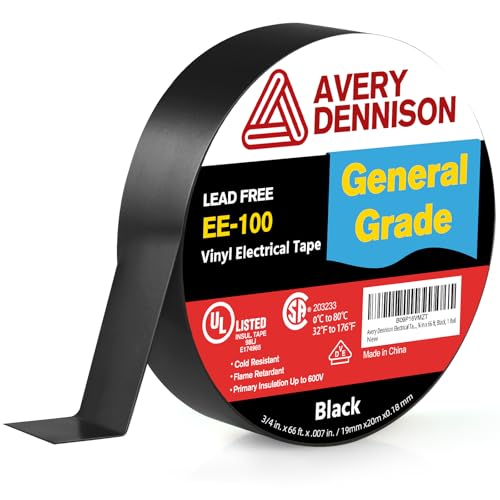
Avery Dennison Electrical Tape, General Use PVC Electric Tape, UL/CSA Listed Insulating Vinyl Tape for Electrical, Repairs, Automotive and Equipment, EE-100, ¾ in x 66 ft, Black, 1 Roll Best for most families
- Insulates low-voltage splices to reduce shock, short circuits, and fire risk.
- Moisture-resistant PVC backing protects connections from rain, dust, and abrasion.
- Conformable, pressure-sensitive adhesive grips metal, rubber, and plastic in cold or heat.
- Multipurpose: bundles cables, reinforces gear, and labels hazards for rapid identification.
 info@emerggear.com