Fire Starter
Why you need this: When cold, wet conditions stop matches and lighters, this emergency fire starter gives lifesaving heat, cooking, and signaling to protect family.Fire Starter: A Complete Guide to Reliable Ignition for Preparedness, Camping, and Emergencies
A fire starter is a compact, purpose-built tool that helps you create a controlled flame quickly and reliably. It matters because a small, dependable source of ignition can deliver life-saving warmth, safe cooking, light, and signaling when power is out or conditions are harsh. Whether you keep one in a home emergency kit, stash one in your vehicle, or carry one for camping and hiking, a good fire starter helps you take control of unpredictable situations with confidence.
Unlike improvised methods, a fire starter is designed to work in real-world conditions, including damp weather and cold temperatures. It makes the crucial difference between frustration and success when you need a flame the most. With practice and the right materials, this simple tool can help prevent minor mishaps from becoming major emergencies by providing reliable ignition on demand.
How It Works
All fire starters deliver heat to tinder so it ignites and grows into a sustainable flame. Different designs use different mechanisms, but the principle is the same: produce heat and transfer it to a prepared bundle of tinder that will catch and then ignite kindling and fuel.
- Spark-based: A ferrocerium rod (often called a “ferro rod”) is scraped with a striker to throw hot sparks into tinder. The sparks can exceed a thousand degrees, igniting fine, dry fibers.
- Shaving-assisted: A magnesium bar is shaved to create tiny, highly flammable particles. Sparks from a striker ignite the magnesium, which burns intensely and lights the tinder.
- Chemical ignition: Waterproof matches and similar tools use chemical reactions to sustain a small flame long enough to light your tinder.
- Mechanical or piezo ignition: Some lighters use a flint wheel or a piezoelectric spark to ignite fuel, offering an immediate flame when fuel is available.
- Electrical heat: Battery-powered elements heat a coil or create an arc, which can ignite very fine tinder or pre-treated fire starters.
Regardless of the type, success depends on proper tinder, good technique, and safe fire-building practices. Fine, dry tinder catches first; small kindling follows; only then do you add larger fuel.
When the Fire Starter Helps Most
- Natural disasters: After storms, hurricanes, earthquakes, or ice events, a fire starter can help you boil water, cook food, and stay warm during power outages—especially in outdoor spaces or safe, ventilated areas.
- Home accidents and disruptions: If a stove fails, a pilot light goes out, or you need an emergency heat source in the backyard during a blackout, a fire starter provides a dependable ignition method for grills, fire pits, and camping stoves (always with proper ventilation and safety measures).
- Workplace situations: On remote job sites, during fieldwork, or at facilities where emergency kits are standard, a fire starter supports safe, controlled heating and signaling outdoors when conventional tools are unavailable.
- Vehicles: Keep one in a roadside emergency kit for winter breakdowns, off-road trips, or unexpected delays. If stranded, a controlled fire in a safe outdoor setting can provide warmth and signal visibility.
- Outdoor activities: Camping, backpacking, hunting, fishing, and bushcraft all benefit from a compact ignition tool that works even when gear is damp or temperatures are low.
Strengths, Suitability & Limitations
Strengths
- Reliable in adverse conditions: Many fire starters work when damp, at altitude, and in cold temperatures.
- Long shelf life: Ferro rods and magnesium bars store well for years without fuel concerns.
- Lightweight and compact: Easy to carry as part of an everyday carry or emergency kit.
- High value: Durable and cost-effective compared to disposable options.
- Versatile: Useful for camping, survival kits, and general preparedness.
What It’s Not For
- Not a toy: Never give to children unsupervised; misuse can cause injury or wildfire.
- Not for indoor flames without ventilation: Risk of smoke and carbon monoxide buildup.
- Not a replacement for heaters or stoves: Use only in appropriate, controlled, and legal outdoor settings.
- Not for use during fire bans: Always follow local laws and burn restrictions.
Limitations and safety considerations
- Technique required: You need practice with tinder preparation and spark control.
- Environmental risks: Wind and wet materials complicate ignition; uncontrolled flames can spread quickly.
- Legal and ethical constraints: Observe seasonal bans, land-use regulations, and Leave No Trace principles.
- Heat and burns: Sparks and flames can injure skin and damage synthetic fabrics. Wear appropriate gloves and be cautious.
What to Look For When Buying a Fire Starter
A good fire starter balances reliability, durability, and ease of use. Focus on quality materials, trustworthy construction, and features that match your environment and skill level.
- Ignition method: Ferro rods are reliable in varied conditions; magnesium-assisted designs boost ignition for damp tinder; weatherproof matches offer a simple flame; mechanical and electrical options trade simplicity for potential fuel or battery dependence.
- Rod composition and size: A well-formulated ferrocerium blend produces abundant, hot sparks. Larger diameter and longer rods generally last longer and are easier to use with gloves.
- Striker quality: A hardened steel striker with a sharp, consistent edge creates stronger sparks than a dull or soft edge. Test spark production safely before relying on it.
- Ergonomics: A grippy handle, lanyard hole, and secure sheath or cap make the tool easier to control and less likely to get lost.
- All-weather performance: Look for water resistance, rust-resistant hardware, and components that still work when wet or cold.
- One-handed options: For injury scenarios, designs that can be used with one hand can be valuable.
- Integrated extras: Some kits include tinder, a whistle, or a small scraper. Extras are helpful but should not replace carrying quality tinder and kindling.
- Material quality: Seek robust metal components, reliable attachment points, and protective caps that won’t loosen in a pack.
- Build quality and consistency: Even spark output, secure assembly, and clean machining are signs of a dependable tool.
- Safety and compliance: Favor designs that include safety notes and follow common-sense standards for outdoor use.
Beware of low-quality imitations that look the part but underperform. Common red flags include:
- Brittle or crumbly rods that produce weak, short-lived sparks.
- Strikers that feel soft, dull quickly, or barely throw sparks.
- “Magnesium” bars that are difficult to shave or don’t ignite reliably.
- Loose caps, weak lanyards, or parts that rattle—signs of poor assembly.
- Overly flashy kits with minimal specifications about materials or composition.
Placement, Storage & Readiness
Plan to have a fire starter wherever you might need one. Strategic placement and routine checks ensure you’re ready when conditions are tough.
- Home: Store one in your emergency kit with tinder, a small knife or scraper, and kindling options. Keep out of children’s reach.
- Vehicle: Add one to your roadside kit with a metal cup for boiling water, a small tinder supply, and a way to shield flames from wind. Avoid storing fuel-based devices in extreme heat.
- Outdoors gear: Keep one in your backpack or dry bag. Redundancy is wise—carry a primary and a backup ignition method.
- Protection from moisture: Use a waterproof pouch or container. Store tinder separately in sealed bags.
- Inspection routine: Monthly or pre-trip, check that caps fit tightly, rods aren’t excessively worn, strikers are effective, and tinder is dry. Replace or refresh as needed.
- Staging: Pre-pack cotton balls, natural fibers, or treated tinder so you’re not scrambling in bad weather.
- Avoid common mistakes: Don’t rely on damp natural materials as your only tinder; don’t bury the fire starter deep in gear you can’t reach quickly; and avoid contaminating gear with fuel or odors that attract wildlife.
How to Use It Properly
The following steps outline a simple, safe way to use a ferrocerium-style fire starter. Adjust as needed for your specific tool and environment, and always follow local laws and safety guidance.
- Check legality and safety: Confirm there are no fire bans. Choose a cleared, non-flammable area with good ventilation and a water source or extinguisher nearby.
- Gather materials first: Prepare a nest of dry tinder (fine fibers, feathered shavings, or pre-made tinder), small kindling (pencil-sized sticks), and larger fuel. Having everything ready prevents your early flame from dying out.
- Prepare a base: Insulate the tinder from damp ground using dry bark or small sticks. This reduces moisture transfer and helps airflow.
- Grip and anchor: Hold the striker firmly and brace it near the tinder. Hold the ferro rod at an angle so sparks will shower directly into the tinder.
- Pull, don’t push: Keep the striker still and pull the rod back along the striker. This minimizes disturbing the tinder and concentrates the sparks where you need them.
- Build the ember: When the tinder starts to glow or flicker, gently cup your hands and blow softly to feed oxygen. Add small kindling gradually to avoid smothering the flame.
- Grow the fire: Once the kindling is burning well, add slightly larger sticks. Continue adding fuel as needed, maintaining a stable, controlled flame.
- Wind and wet adjustments: Use a windbreak (rocks or your body), make extra-fine tinder, and consider magnesium shavings to boost ignition in damp conditions.
- Stay in control: Keep the fire small and manageable. Never leave it unattended.
- Extinguish completely: Douse with water, stir the ashes, and douse again until everything is cool to the touch. Leave no embers.
- Aftercare: Dry your fire starter if it’s wet, cap it, and return it to its designated storage so it’s ready next time.
Safety reminders: Never use a fire starter indoors without proper ventilation. Watch for shifting winds and surrounding fuels. Protect your hands and eyes from sparks, and keep all ignition tools away from children.
Final Summary
A fire starter is a small tool with big impact. It delivers reliable ignition for warmth, cooking, light, and signaling when you need it most—from power outages to backcountry trips. With the right materials, solid technique, and a commitment to safety, it becomes a cornerstone of your preparedness plan.
Choose a well-made design, store it where you’ll actually use it, and practice until you can produce sparks and flame confidently in varied conditions. Add backup tinder, inspect your kit routinely, and follow local regulations. With these habits, your fire starter transforms from a gadget into a trusted, readiness-boosting essential you can count on in emergencies and everyday adventures alike.
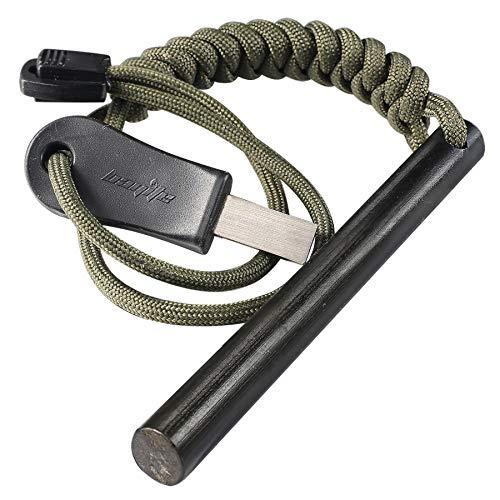
bayite 4 Inch Survival Ferrocerium Drilled Flint Fire Starter, Ferro Rod Kit with Paracord Landyard Handle and Striker, 4"(Long) x 3/8"(Diameter) Best for most families
- Ignites natural and prepared tinder with hot sparks, independent of fuel or batteries.
- Operates in cold and at altitude where butane lighters struggle.
- Minimal moving parts reduce failure risk under stress and rough handling.
- Supports core survival tasks: warmth, water boiling, cooking, and visual signaling.
 info@emerggear.com