Fireproof Bag
Why you need this: Because disasters strike fast, a fireproof document bag keeps your important papers protected and grab-ready, safeguarding your family’s identity, finances, and recovery.Fireproof Bag: Complete Guide to Protecting Documents and Devices
A fireproof bag is a compact, portable container built from heat- and flame-resistant materials designed to protect important documents, small electronics, cash, and keepsakes during fires, high heat exposure, and water spray from sprinklers or firefighting efforts. While no soft container can guarantee absolute protection in every scenario, a high-quality fireproof bag buys precious time and helps keep critical items in one place so they are easier to grab or more likely to survive.
Why this matters: emergencies develop fast. Kitchen flare-ups, electrical faults, space-heater mishaps, and wildfire evacuations can escalate within minutes. A fireproof bag creates a thermal buffer around your most important items. In everyday life, it also offers practical protection against smoke, soot, and splashes and reduces the chaos of hunting for passports, insurance papers, and backup drives when you need to leave quickly.
Think of it as a portable layer of resilience for what you can’t easily replace: birth certificates, titles, medical documents, wills, USB drives, external SSDs, spare keys, and emergency cash. By staging those items in one dedicated pouch, you eliminate delays in a crisis and improve the odds that these essentials remain intact even if your home or vehicle is compromised.
How It Works
A fireproof bag uses a combination of heat-resistant fabrics and engineered closures to slow heat transfer and resist flame exposure. Common constructions include silicone-coated fiberglass, aramid blends, ceramic or carbonized fabrics, and insulating felts that collectively block or deflect heat. A fold-over flap or fire-resistant zipper helps seal the opening to limit hot gases, embers, and water spray from entering.
- Layered fabrics: Multiple layers of fiberglass or aramid create a barrier that resists ignition and slows conduction from the outside to the inside.
- Reflective and insulating properties: Outer coatings (often silicone or foil-like films) can reflect radiant heat and add water resistance, while inner layers provide thermal insulation.
- Seams and stitching: Robust stitching with flame-resistant thread and bound edges help maintain integrity at elevated temperatures.
- Closures that protect: Fold-over flaps with hook-and-loop, fire-resistant zippers, or dual-closure designs reduce pathways for heat, smoke, and water.
- Time-based performance: Bags are typically rated for exposure to high temperatures for a limited duration under specific conditions. They are not a replacement for a heavy fire safe.
The result is a soft container that can resist ignition, reflect heat, and limit hot gas entry, giving contents a fighting chance during the early, most critical window of a fire or while you evacuate.
When the Fireproof Bag Helps Most
- Natural disasters:
- Wildfires that force rapid evacuation—keep essentials pre-staged and ready to grab.
- Earthquakes that trigger gas leaks or electrical fires—contents stay consolidated and protected.
- Hurricanes and severe storms where wind-driven rain and power outages complicate evacuation and recovery.
- Flooding scenarios where splashes and short-term submersion resistance can help protect documents (within limits).
- Home accidents:
- Kitchen flare-ups, candle mishaps, and space-heater incidents where radiant heat and embers threaten nearby items.
- Battery failures from devices or e-bikes—add a layer of protection for surroundings and organize spares safely.
- Protection from smoke, soot, and sprinkler water that can ruin paper and electronics even if flames don’t reach them.
- Workplaces:
- Shops and garages with welding, grinding, or soldering where sparks and slag are common.
- Offices that need a quick-access container for legal files, backup drives, and keys stored near an exit.
- Vehicles:
- Glove box or trunk storage of registration, insurance, and emergency documents.
- Added protection for small devices and paperwork during engine bay or electrical fires.
- Outdoor and travel:
- Camping, RVs, and boats where campfires, stoves, or engine compartments increase fire risk.
- Travel scenarios that benefit from a grab-and-go document pouch that doubles as water-resistant storage.
Strengths, Suitability & Limitations
Strengths
- Portable protection: Lightweight and easy to grab, even under stress.
- Time buffer: Provides crucial minutes of protection during early fire stages or while evacuating.
- Multi-hazard coverage: Helps guard against heat, flame, smoke, soot, and water spray.
- Organization: Keeps passports, IDs, titles, and backup drives in one place.
- Pairs with safes: Used inside a fire-rated safe, it adds layers of defense.
- Cost-effective resilience: A relatively small investment with high preparedness payoff.
What It’s Not For
- Not a substitute for a certified fire safe when protection for hours is required.
- Not intended for ongoing exposure to direct flame or extreme heat.
- Not optimized for large valuables or bulk storage; capacity is limited.
- Not guaranteed to protect against long-term submersion or high-pressure water jets.
- Not designed for actively burning batteries or as a containment device for hazardous materials.
Limitations and safety considerations
- Time and temperature ratings vary and are often based on lab conditions; real fires can be harsher.
- Water-resistant does not mean waterproof; seals and seams can admit moisture.
- Fiberglass fabrics can cause skin irritation; look for coated, non-itch layers and handle with care.
- After exposure to significant heat or smoke, inspect and replace the bag; latent damage may not be visible.
- Opening the bag while still hot can let in superheated gases—allow it to cool when safe.
- Never delay evacuation to retrieve items. Your safety comes first.
What to Look For When Buying a Fireproof Bag
The right choice depends on what you’re protecting, how you’ll use the bag, and the types of risks you face. Focus on materials, construction, size, and verifiable testing.
- Proven heat-resistant materials: Silicone-coated fiberglass, aramid blends, ceramic fabrics, or multilayer composites. Look for coated, non-itch surfaces.
- Layer count and thickness: Multi-layer builds with insulating cores generally offer better thermal buffering than thin single layers.
- Closure design: A fold-over flap plus zipper or dual-closure system helps block heat, smoke, and water. Fire-resistant zippers with protective flaps are ideal.
- Seams and stitching quality: Bound edges, tight stitching, and flame-resistant thread improve integrity under stress.
- Water resistance: Coated fabrics and well-protected closures resist splashes and spray; remember this is different from deep, long submersion.
- Temperature/time claims: Realistic specs are better than flashy numbers. Consider how long you need to buy time in your scenario (e.g., quick evacuation vs. longer suppression efforts).
- Independent testing or certifications: Favor bags with third-party lab tests or materials meeting recognized fire or flame standards. Keep in mind that safe ratings (like UL 72) are different and more stringent than fabric flammability tests (e.g., UL 94, NFPA 701).
- Size and capacity: Choose dimensions for letter, legal, or A4 documents; consider gusseted designs for bulk or devices like tablets and external hard drives.
- Internal organization: Divider sleeves, pockets, and labels keep items tidy and easy to locate under pressure.
- Hardware and carry options: Reinforced handles, D-rings, or shoulder straps make the bag easier to grab and go.
- Durability and comfort: Abrasion resistance, smooth coatings that don’t shed fibers, and low odor improve everyday usability.
- Quality control and documentation: Clear specifications, sensible ratings, and consistent build details are good signs.
Beware of low-quality imitations: Extremely thin fabrics, unprotected zippers, sloppy stitching, vague or unrealistic ratings (e.g., extreme temperature claims with no timeframe), and a lack of any test information are red flags. If details are inconsistent or too good to be true, they usually are.
Placement, Storage & Readiness
Even the best fireproof bag can’t help if it’s hard to find or empty when you need it. A little staging goes a long way.
- Store for speed: Keep the bag in an easy-to-grab location such as near an exit, in a bedroom nightstand, or inside a go-bag—never next to obvious fire sources.
- Use redundancy: Consider one bag for documents and a second for digital backups or small electronics, placed in separate locations.
- Pair with a safe: For higher protection, store the bag inside a fire-rated safe to create layered security against heat and theft.
- Control moisture: Add desiccant packs (silica gel) and keep documents in archival sleeves to reduce humidity-related damage.
- Avoid heat zones: Don’t store near ovens, heaters, hot water tanks, or sun-baked windowsills. In vehicles, favor the trunk and shade.
- Label and inventory: Maintain a simple checklist of what’s inside; review it during tax season or when documents change.
- Inspect periodically: Every 6–12 months, check seams, closures, coatings, and any signs of wear, odor, or residue. Replace if degraded.
- Keep copies: Scan critical documents and store encrypted digital backups in the bag along with a paper set, if space permits.
How to Use It Properly
- Gather essentials: Identify high-priority items (passports, IDs, insurance policies, titles, medical info, emergency cash, keys, USB/SSD backups).
- Protect and organize: Place documents in archival sleeves or folders. Put electronics in anti-static pouches if available.
- Load thoughtfully: Place flat documents at the back and bulkier items in front. Avoid overstuffing; you need the closure to seat fully.
- Seal correctly: Close any zipper completely and fold the protective flap per the manufacturer’s instructions. Check for gaps along edges.
- Stage smartly: Store in a quick-access spot away from heat sources. Consider pairing with a safe or go-bag for layered protection.
- Evacuate first: In a fire, prioritize personal safety. If it’s safe and the bag is nearby, take it; if not, evacuate immediately and call for help.
- After exposure: Allow the bag to cool before opening. Inspect contents carefully. Replace the bag if there are signs of heat damage, compromised seams, or persistent odor.
- Maintain readiness: Update contents after life events (moves, new IDs, insurance changes) and refresh desiccants periodically.
Safety reminders: Do not attempt to test your bag with open flames. Avoid storing volatile chemicals or actively charging batteries inside. If in doubt, consult local fire safety guidelines.
Final Summary
A fireproof bag is a simple, affordable way to harden your home, office, vehicle, or travel kit against one of life’s most disruptive hazards. By combining heat-resistant layers, practical closures, and smart placement, it offers grab-and-go protection for the documents and devices you rely on every day. While it’s not a replacement for a certified safe, it delivers high value as part of a layered preparedness plan.
Take action today: decide what you can’t afford to lose, choose a well-constructed fireproof bag sized to your needs, and stage it where you can reach it fast. When minutes matter, preparation pays off—and the right bag can make all the difference.
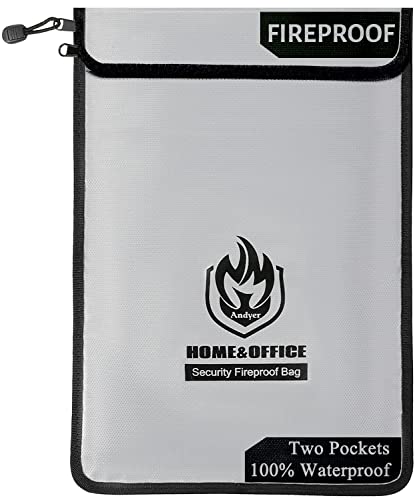
Upgraded Two Pockets Fireproof Document Bag (2000℉), andyer 15”x 11”Waterproof Fireproof Money Bag for Cash with Zipper, Important Document Storage Organizer for Valuables, Legal Documents Safe Best for most families
- Shields passports, IDs, and drives from short-term fire, heat, smoke, and hose spray.
- Silicone-coated fiberglass delivers low thermal conductivity and water repellency.
- Secure closure and bound seams reduce soot and smoke intrusion during evacuation.
- Compact, grab-ready design keeps essentials organized in a go-bag or vehicle.
 info@emerggear.com