First Aid Kit
Why you need this: When accidents or disasters strike, a first aid kit helps you treat injuries, prevent complications, and protect loved ones until help arrives.First Aid Kit: A Complete Guide to Choosing, Using, and Maintaining an Emergency Essential
A first aid kit is a compact, organized collection of supplies designed to treat common injuries and stabilize more serious conditions until professional help arrives. In everyday life and during emergencies, a well-prepared kit is a simple tool that can have an outsized impact. When accidents happen, access to clean, properly sized dressings, protective gloves, and basic tools helps you act quickly and confidently.
Whether it sits on a kitchen shelf, rides in a glove compartment, or travels in a backpack, a first aid kit turns stressful moments into manageable tasks. It reduces uncertainty by offering clear, ready-to-use items for cleaning wounds, controlling bleeding, and supporting minor sprains or burns. For families, commuters, outdoor enthusiasts, and workplaces alike, a reliable kit is a cornerstone of preparedness.
Think of it as an insurance policy you can hold in your hand. The right kit bridges the gap between incident and intervention, buying time and improving outcomes. In situations where seconds matter, organization, visibility, and completeness matter even more. A high-quality first aid kit helps you deliver care safely, protect yourself from contamination, and provide comfort while waiting for medical professionals.
Because needs vary, first aid kits come in many sizes—from pocket-friendly pouches to comprehensive workplace stations. The best approach is to choose a kit that matches your environment and then personalize it with relevant, easy-to-restock supplies. With thoughtful placement and routine maintenance, your kit will be ready the moment you need it.
How It Works
A first aid kit is effective because it simplifies the first steps of care into clear, repeatable actions. By keeping essential items in predictable locations, it reduces decision fatigue and speeds up response time. Most kits are organized into sections or pouches that align with the flow of care: protect yourself, assess the injury, clean and cover the wound, control bleeding, support or immobilize, and monitor.
Many supplies are single-use and sterile, ensuring cleanliness and reducing the risk of infection. Labels, quick-reference cards, and color-coded compartments can guide you to the right item without digging. Durable cases or pouches help protect contents from moisture, dust, and impact so everything is usable when you need it.
- Organization: Compartments or modules keep items visible and easy to find under stress.
- Sterility: Individually wrapped dressings and pads reduce contamination risk.
- Layered care: Kits typically support a sequence: clean, cover, compress, and stabilize.
- Personal protection: Gloves and a face shield help protect the responder.
- Portability: Compact designs ensure the kit travels with you to where it’s needed.
- Documentation: Quick guides and inventory lists assist both beginners and experienced users.
When the First Aid Kit Helps Most
- Natural disasters: Earthquakes, hurricanes, floods, and wildfires often disrupt access to care. A kit helps manage cuts, scrapes, and minor burns while services are delayed.
- Home accidents: Knife slips, splinters, hot pan burns, and falls are common. Having supplies within reach reduces stress and speeds basic care.
- Workplace incidents: Offices, warehouses, construction sites, and studios benefit from readily available, compliant kits for minor injuries and initial response.
- Vehicles and road travel: Roadside incidents, broken glass, and minor collisions call for quick bleeding control and basic wound care on the spot.
- Outdoor activities: Hiking, camping, boating, climbing, and sports can lead to blisters, sprains, abrasions, and stings far from medical facilities.
- School, childcare, and events: Busy environments with children or large groups make organized, visible kits especially valuable.
- Travel and remote work: Trips and remote job sites demand self-sufficiency, especially where clinics are distant.
Strengths, Suitability & Limitations
Strengths
- Fast access to essentials: Everything needed for common injuries is in one place.
- Clean and safer care: Sterile dressings and gloves support hygienic wound management.
- Portable preparedness: Compact and lightweight, a kit goes where you go.
- Versatility: Useful at home, on the road, at work, and outdoors.
- Confidence under stress: Organized supplies and clear labels guide quick action.
What It’s Not For
- Professional medical care replacement: It stabilizes; it does not diagnose or cure.
- Advanced procedures: Not intended for invasive care or complex treatments.
- Comprehensive pharmacy: It focuses on supplies for injuries, not a full range of medications.
- Hazardous material incidents: Specialized equipment and training are required.
Limitations and safety considerations
- Training matters: Use only items and techniques you understand; follow included guides.
- Allergies and sensitivities: Choose latex-free gloves and hypoallergenic adhesives when needed.
- Expiration and degradation: Adhesives dry out; antiseptics and ointments expire; restock routinely.
- Environmental exposure: Heat, moisture, and sunlight can damage contents—store appropriately.
- Local regulations: Workplaces and public venues may need specific, compliant kits.
What to Look For When Buying a First Aid Kit
Choosing the right first aid kit means balancing completeness, portability, and quality. Look for a thoughtful selection of supplies, durable construction, and simple organization. Beware of kits that look full but contain low-grade items or vague quantity claims. The best kits clearly list contents, use reliable materials, and make refilling easy.
- Essential contents: A balanced mix of adhesive bandages, sterile gauze pads, rolled gauze, wound-closure strips, non-stick dressings, antiseptic wipes, alcohol pads, elastic wraps, triangular bandage, finger splints, adhesive tape, instant cold pack, tweezers, medical shears, safety pins, nitrile gloves, CPR face shield, and a thermal blanket.
- Case quality: Durable, water-resistant pouch or hard case with smooth zippers or latches that won’t fail under stress.
- Organization: Labeled compartments, color coding, or modules for fast retrieval; a printed contents card helps with inventory.
- Material quality: Metal tweezers and robust shears cut cleanly; strong, hypoallergenic tape and dependable adhesives stay put.
- Sterility and packaging: Individually sealed dressings with visible expiration dates.
- Sizing: Match kit size to usage—compact for commuting and day trips; larger for families, teams, or remote travel.
- Instructions and guides: Clear, concise quick-reference cards for common injuries and emergencies.
- Safety standards: For workplaces or public venues, look for alignment with recognized regional standards or guidelines where applicable.
- Refillability: Contents that are easy to restock with standard sizes and clear part names; avoid proprietary-only items.
- Visibility and access: Bright colors, reflective accents, and an obvious first aid symbol help others find the kit quickly.
- Honest contents list: Prefer kits with specific item counts and sizes; be cautious of vague descriptions or unrealistic item totals.
Beware of low-quality imitations: Red flags include thin dressings that tear, adhesive that fails to stick, unmarked expiration dates, flimsy tools, and cluttered or unlabeled interiors that slow you down.
Placement, Storage & Readiness
Even the best first aid kit can disappoint if it’s hard to find or poorly maintained. Plan placement with both accessibility and protection in mind. Tell family members, co-workers, or trip companions where the kit is and how to open it. Make checks routine so supplies are always ready for use.
- Home: Store in a central, visible location away from steam and direct heat. Bathrooms are convenient but humid; a hallway cabinet or kitchen pantry is often better. Keep out of reach of small children while remaining accessible to adults.
- Workplace: Mount or place kits in consistent, signed locations with clear pathways. If your setting has specific hazards, stage additional kits nearby and ensure they meet local requirements.
- Vehicle: Secure the kit to prevent it becoming a projectile. Avoid trunk-only access if you can—an interior compartment helps when you need the kit quickly. Heat can degrade adhesives and gels; inspect more often.
- Outdoors and travel: Use a water-resistant pouch and consider secondary waterproofing. Familiarize yourself with the layout before you need it on the trail or at a campsite.
- Inspection schedule: Check quarterly for damaged packaging, missing items, and expiry dates. After any use, restock immediately and note what you ran out of.
- Labeling and documentation: Keep a contents card with last inspection date. Include emergency contact numbers and any relevant personal medical information if appropriate.
- Avoid common mistakes: Don’t bury the kit under other gear, mix used and sterile items, or ignore expired components. Replace anything wet, torn, or contaminated.
How to Use It Properly
Use your first aid kit calmly and methodically. The following is a simple, non-technical sequence to guide general first aid actions. Always defer to local emergency services and only perform tasks you are comfortable with and trained to do.
- Check safety: Ensure the area is safe for you and the injured person. If not, move to a safer location if possible.
- Protect yourself: Put on nitrile gloves and, if available, use a face shield for rescue breathing if trained and necessary.
- Call for help: For serious injuries, heavy bleeding, breathing problems, chest pain, severe burns, or suspected fractures, contact emergency services immediately.
- Open the kit and locate essentials: Use labeled compartments to find gloves, dressings, bandages, and tools quickly.
- Control bleeding: Apply direct pressure with a sterile dressing. Add more dressings as needed; do not remove the first layer if it soaks through.
- Clean minor wounds: If appropriate, gently rinse with clean water and use antiseptic wipes around—but not deep inside—the wound before covering.
- Cover and secure: Use non-stick pads and gauze or adhesive bandages to protect the area. Tape edges firmly without restricting circulation.
- Support sprains or minor strains: Wrap with an elastic bandage to reduce swelling and provide light support. Check that fingers or toes remain warm and pink.
- Treat simple burns: Cool the area with cool (not icy) running water for several minutes. Cover loosely with a sterile, non-stick dressing.
- Monitor and reassure: Keep the person warm with a thermal blanket if needed, watch for changes in breathing, and stay with them until help arrives.
- Document and hand off: Note times, observations, and what you used. Share this information with medical professionals.
- Clean up and restock: Safely dispose of used items, wash your hands, and replace supplies so the kit is ready for next time.
Important reminders: Only use advanced tools if you are trained; follow any included quick-reference guides; and when in doubt, seek professional medical advice promptly.
Final Summary
A first aid kit is a small investment that delivers peace of mind and practical capability. By combining organized, sterile supplies with clear instructions, it empowers you to handle common injuries and stabilize more serious issues until help arrives. The right kit for your life is one you can find fast, understand easily, and maintain without hassle.
Prioritize quality, organization, and refillability. Place kits where you live, work, and travel; check them regularly; and consider basic first aid training to build confidence. Preparedness is not complicated—it's consistent. With a well-chosen first aid kit and a simple plan, you can protect the people who matter most when every minute counts.
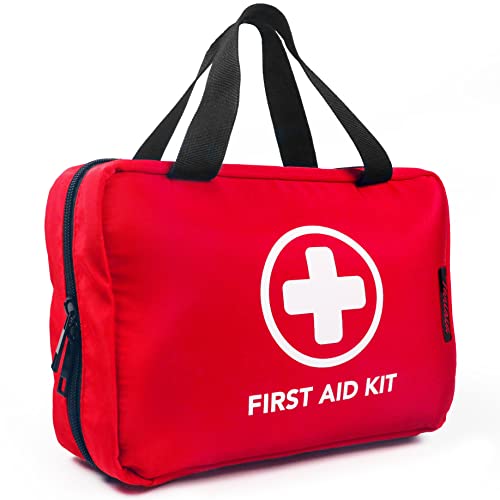
First Aid Only 91248 OSHA-Compliant First Aid Kit, All-Purpose 50-Person Emergency First Aid Kit for Business, Worksite, Home, and Car, 260 Pieces Best for most families
- Enables immediate hemorrhage control using direct pressure and pressure dressings.
- Supports wound cleaning and coverage to lower infection risk.
- Organized layout speeds selection and reduces errors under stress.
- Bridges the gap until EMS arrives during delays or infrastructure failure.
 info@emerggear.com