Fixed Blade Knife
Why you need this: In a crisis, a dependable survival knife lets you cut, build, and signal so you can protect loved ones and stay alive.A fixed blade knife is a sturdy, non-folding cutting tool designed for reliability, strength, and speed of deployment. Because there are no moving parts, it offers a level of durability that folding knives often can’t match. In emergencies and everyday mishaps alike, a fixed blade knife can provide immediate utility—cutting rope, opening packages, trimming bandages, preparing kindling, or shaping wood for quick repairs. When seconds count, always-ready, no-deployment-lag design is a significant advantage.
Beyond general convenience, a fixed blade knife matters because it enables essential tasks under stress. Whether you’re dealing with power outages, storm damage, a stuck zipper, or a road trip gone sideways, the right blade can help you improvise, adapt, and move to safety. It’s a key part of outdoor kits, vehicle emergency sets, and home preparedness plans because it provides consistent cutting performance, even with gloved or cold hands.
Responsible ownership is crucial. Treat a fixed blade knife as you would any serious tool: handle it with care, follow local laws, keep it secured, and maintain it. With that mindset, it becomes a practical, confidence-building addition to your everyday readiness.
How It Works
A fixed blade knife is built around a solid piece of steel that runs from tip to handle—often “full-tang,” meaning the metal extends through the entire handle for maximum strength. Handle scales (the grip material) are fastened to the tang, and a sheath protects the blade when it’s not in use. Because there are no pivots or locks, the blade’s strength and deployment are straightforward: draw from the sheath, use, clean, and re-sheath.
- Tang and strength: Full-tang construction provides rigidity and durability under load. Partial or hidden tangs can be lighter but may be less robust for heavy tasks.
- Heat treatment: Properly heat-treated steel balances hardness (edge retention) and toughness (resistance to chipping or breaking).
- Blade geometry: The edge grind (e.g., flat, Scandi, convex) influences cutting performance, ease of sharpening, and durability.
- Sheath retention: Friction-fit or positive-lock sheaths keep the blade secure and allow quick access. Drainage and strap options add safety and versatility.
- Ergonomics: A secure handle with texturing, guard/choil, and a suitable shape helps maintain control, especially in wet or gloved conditions.
When the Fixed Blade Knife Helps Most
- Natural disasters: Cutting tarps and cordage for temporary shelter, processing kindling for heat, trimming damaged material, and opening supply packaging during storms, floods, or blackouts.
- Home accidents: Safely trimming clothing around minor injuries to access first aid sites, cutting gauze or tape, or clearing light obstacles after a household mishap.
- Workplace situations: Managing packaging, webbing, and zip ties; preparing materials on job sites; and performing controlled cuts where a stronger, fixed tool is preferred. Always follow workplace safety rules.
- Vehicles and travel: In urgent situations, carefully cutting a jammed seat belt if no dedicated rescue tool is available. Keep the blade under control and be mindful of airbags, upholstery, and passengers.
- Outdoor activities: Camping and hiking tasks like food prep, feather sticks, tent setup, and general camp chores. A compact fixed blade knife can also assist with garden or yard work.
- Preparedness kits: As part of a home go-bag or vehicle emergency kit, a fixed blade knife provides dependable cutting power without worrying about a folding mechanism failing.
Strengths, Suitability & Limitations
Strengths
- Immediate readiness: No unfolding or locking required—just draw and use.
- Structural strength: A solid tang stands up to tougher jobs than most pocket folders.
- Control and safety: Good ergonomics and a sturdy sheath support safe handling and storage.
- Maintenance simplicity: Easier to clean thoroughly compared to a folding mechanism.
- Versatility: Suitable for home, trail, and emergency roles if sized appropriately.
What It’s Not For
- Substituting for a pry bar, screwdriver, or chisel. Using it as a lever can damage the blade and cause injury.
- Electrical work: Never cut live wires or pressurized lines.
- Improper or illegal carry: Always comply with local laws regarding blade length and carry methods.
- Unsafe rescue tasks: If a dedicated rescue tool is available, use that instead; knives require extra care near people.
Limitations and safety considerations
- Injury risk: A sharp blade demands disciplined technique; cut away from your body and keep others at a safe distance.
- Environmental exposure: Salt and moisture accelerate corrosion; stainless helps, but maintenance is still required.
- Grip security: Smooth or wet handles can slip; choose texture and a guard to minimize risk.
- Edge trade-offs: Harder steels hold an edge longer but may be more brittle; softer steels sharpen easily but dull faster.
- Storage: Keep it secured and out of reach of children. Use a sheath with reliable retention.
What to Look For When Buying a Fixed Blade Knife
Choosing the right fixed blade knife starts with your intended use: day hikes, camp kitchens, home projects, or emergency readiness. Aim for a balance of size, steel, and ergonomics that fits your environment and experience level.
- Blade length: For general-purpose tasks, many users prefer 3–6 inches. Shorter blades offer precise control; longer blades process wood and heavy materials more efficiently.
- Steel selection: Stainless options excel in wet or coastal environments; high-carbon steels can take a keen edge and are easy to sharpen but require more rust prevention. Seek a well-executed heat treatment for balanced toughness and edge retention.
- Tang construction: Full-tang designs provide maximum strength. Ensure the handle attachment is solid, with no gaps or movement.
- Blade geometry and grind:
- Flat grind: Versatile, good slicer.
- Scandi grind: Easy to sharpen and excellent for woodworking tasks.
- Convex grind: Durable, good for heavy-duty cutting, but sharpening can be more advanced.
- Blade shape: Drop point for general utility, sheepsfoot for controlled, safer tip profiles, and clip point for detail work. Choose what suits your routine tasks.
- Handle ergonomics: Look for a non-slip grip, adequate guard or choil, and a profile that fits your hand size. Materials like textured synthetics, rubberized polymers, or micarta provide traction when wet.
- Sheath quality: Reliable retention, positive “click” or strap, drainage, and multiple carry options (belt, pack, MOLLE-compatible mounts). The sheath is a key safety component.
- Weight and balance: A well-balanced knife reduces fatigue and improves control. Too heavy can be unwieldy; too light may feel flimsy.
- Corrosion resistance: Stainless steel, protective coatings, and routine oiling help manage rust. Prioritize corrosion resistance if you expect rain, humidity, or salt exposure.
- Fit and finish: Even edge bevels, no handle hot spots, secure fasteners, and clean transitions indicate better quality.
- Legal compliance: Know local regulations on blade length and carry methods before buying.
- Beware of imitations: Extremely low-cost “heavy-duty” blades may use inferior steel or weak heat treatment. Poor sheaths can fail under stress. Look for consistent quality indicators rather than flashy marketing claims.
Placement, Storage & Readiness
Strategic placement and simple maintenance ensure your fixed blade knife is available when you need it and safe when you don’t. Pair the knife with its sheath at all times and keep it cleaned, sharpened, and stored legally.
- Home: Store in a secure, known location such as your emergency kit, workshop, or a locked cabinet. Keep it sheathed and out of children’s reach.
- Vehicle (where legal): Place in a glove box or cargo organizer to prevent shifting. Secure the sheath and avoid leaving the knife visible. Be mindful of local laws across jurisdictions.
- Go-bag or backpack: Position it where you can access it without dumping your pack. Use sheath retention straps to avoid accidental loss.
- Routine inspection: Monthly or pre-trip, check for rust spots, edge nicks, loose handle fasteners, sheath wear, and retention strength. Address issues before use.
- Cleaning: After use—especially in wet, dirty, or salty conditions—wipe the blade dry, lightly oil the steel, and clear debris from the sheath.
- Sharpening and edge care: Use a stone or ceramic rod to maintain a consistent angle. Finish with light stropping for a refined edge. Frequent light touch-ups beat infrequent heavy regrinds.
- Avoid common mistakes: Don’t store the knife wet, don’t leave it unsheathed, and don’t toss it loosely into a pack. Keep it where you can reach it safely and predictably.
How to Use It Properly
- Confirm legality and environment: Make sure carrying and using a fixed blade knife is legal where you are, and select an appropriate location for cutting.
- Inspect before use: Check the blade edge, handle tightness, and sheath retention. Clear your workspace and ensure no one is in your cutting path.
- Plan your cut: Stabilize the material. Maintain a balanced stance and always cut away from your body with both hands accounted for.
- Grip securely: Use a comfortable hammer or pinch grip with your index finger behind any guard/choil. Keep your thumb off the blade edge.
- Controlled draw: Withdraw the knife from its sheath deliberately. Keep the tip clear of your body and other people.
- Make the cut: Use steady, controlled strokes. Avoid twisting the blade sideways in dense material. If more force is needed, reposition rather than overpower.
- Light wood processing (if needed): For small sticks, place the blade on the wood and gently strike the spine with another piece of wood to split (batoning). Keep fingers clear, use modest force, and avoid knots or oversized logs.
- Task hygiene: If switching between outdoor tasks and food or first-aid materials, clean and sanitize the blade first.
- Re-sheath safely: Guide the blade into the sheath without pointing it toward your leg or hand. Confirm secure retention.
- Post-use care: Wipe the blade dry, apply light oil if needed, and store it in a safe, consistent location.
Safety reminders: Wear appropriate protective gear, avoid cutting unstable materials, never use the knife as a lever, and keep it out of the reach of children.
Final Summary
A fixed blade knife is a simple, resilient tool that delivers dependable performance in everyday tasks and stressful situations alike. Its strength, immediate readiness, and straightforward maintenance make it a cornerstone of practical preparedness, whether kept in a home kit, vehicle, or backpack.
Choose a model with quality materials, secure sheath, and comfortable ergonomics. Place it where you can access it safely, keep the edge maintained, and practice good technique. With responsible use and regular care, a fixed blade knife can help you solve problems faster, work more safely, and feel more prepared for the unexpected.
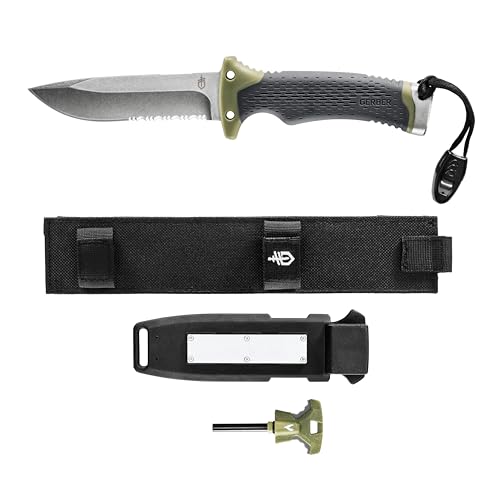
Gerber Gear Ultimate Survival Knife, Fixed Blade Knife with Combo Edge, includes Fire Starter Edge and Ferro Rod, Whistle, Sheath with Integrated Sharpener - Bushcraft, Hunting and Camping Tool Best for most families
- Non-folding design eliminates hinge failure during high-load cutting and wood processing.
- Full-tang construction transfers force efficiently for shelter stakes, batoning, and cordage work.
- Joint-free blade is simpler to clean and decontaminate in field conditions.
- Protective sheath enables secure carry and reduces accidental cuts during movement.
 info@emerggear.com