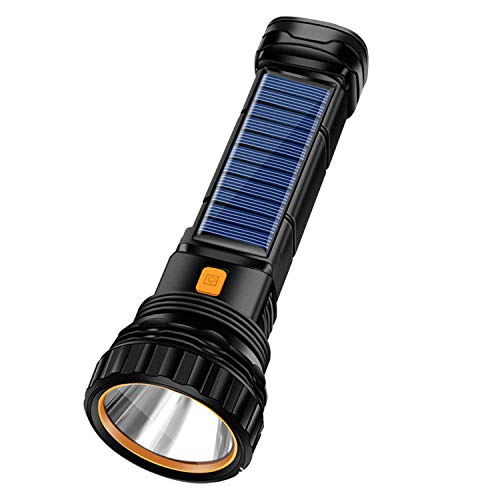
Flashlight 00 is a compact, handheld source of portable illumination designed to deliver bright, reliable light whenever you need it most. Whether a sudden blackout throws your home into darkness, a minor accident occurs in the garage, or you’re navigating a dim parking lot, this versatile tool provides instant visibility and control. In emergencies and everyday mishaps alike, a dependable flashlight can be the difference between calm and chaos, helping you assess hazards, signal for help, or simply find the right breaker switch.
Unlike the bulky torches of the past, modern designs emphasize powerful LEDs, efficient batteries, and easy one-hand operation. The goal is simple: give you safe, steady light that you can trust when power, weather, or time are working against you. Kept on a nightstand, in a glove compartment, or clipped to a pocket, Flashlight 00 is a practical everyday carry item that also elevates your overall preparedness.
For households, drivers, outdoor enthusiasts, and workplace safety planners, having a reliable light is not optional—it’s foundational. Emergency readiness starts with visibility, and visibility starts with a quality flashlight that manages glare, lasts long enough to finish the job, and stands up to rough handling. Thoughtfully selected and well-maintained, Flashlight 00 becomes one of the most valuable tools you own.
How It Works
At its core, Flashlight 00 converts stored electrical energy into visible light using a high-efficiency light-emitting diode (LED). A driver circuit regulates power to the LED to keep output stable, and optics shape the beam for either broad area coverage or longer-range “throw.” Smart control interfaces allow you to switch modes, lock the light for transport, and optimize runtime as conditions change.
- Power source: Most modern units run on rechargeable lithium-ion cells or common alkaline/NiMH batteries. Lithium-ion offers high energy density and better cold-weather performance. Never mix old and new batteries, and follow the manufacturer’s guidance for safe charging and storage.
- Emitter and optics: High-output LEDs paired with reflectors or TIR (total internal reflection) lenses produce a beam pattern. Lumens measure total light output, while candela and beam distance indicate how far the light reaches. Higher CRI (color rendering index) and neutral-white tints help you identify colors and details more accurately.
- Driver and regulation: A quality driver supplies consistent current to the LED for steady brightness, even as the battery drains. Advanced drivers may include thermal management to prevent overheating and maintain safe, sustainable output.
- Body and sealing: Durable housings—often aluminum alloy or robust polymer—use O-rings and gaskets to block dust and moisture. Look for impact resistance and an appropriate IP rating to match your environment.
- Switching and user interface: Tail-cap or side switches provide immediate access to modes. Features can include momentary-on, mode memory, electronic lockout, and sometimes emergency signaling patterns.
When The Flashlight 00 Helps Most
Preparedness is about removing uncertainty. Here are realistic scenarios where Flashlight 00 proves its value:
- Natural disasters: Earthquakes, hurricanes, windstorms, and winter weather can knock out power. A dependable light helps you navigate debris, check gas and water lines, and signal neighbors or responders.
- Home accidents and repairs: Tripped breakers, water leaks under the sink, appliance troubleshooting, or retrieving dropped items behind furniture are all easier—and safer—with targeted illumination.
- Workplace safety: Warehouses, construction sites, labs, and maintenance areas benefit from portable light during inspections, equipment checks, or when lighting systems fail unexpectedly.
- Vehicles and roadside assistance: Changing a tire at night, inspecting fuses, or placing hazard markers requires clear light. A dedicated glove-box flashlight reduces stress and speeds decision-making.
- Outdoor activities: Camping, hiking, fishing, pre-dawn training runs, or walking the dog after dark all demand a reliable beam and comfortable grip. A compact flashlight complements headlamps and lanterns.
- Travel and urban use: Navigating unfamiliar lodgings, dim stairwells, parking garages, or transit delays feels safer with a small light that fits easily in a pocket, pouch, or purse.
- First aid and safety checks: Assessing injuries, checking pupils, or reading medication labels in low light is far easier with a controllable, low-output mode that avoids glare.
Strengths, Suitability & Limitations
Strengths
- Immediate visibility: Fast, one-hand operation for rapid assessments and safer movement.
- Versatile beam control: Multiple modes allow you to balance brightness, runtime, and glare reduction for the task at hand.
- Rugged reliability: Weather-resistant construction, impact tolerance, and secure seals make it dependable in harsh conditions.
- Portable and compact: Easy to carry every day, keep in a vehicle, or stage throughout a home and workplace.
What It’s Not For
- Not a dedicated area light: For broad, hands-free illumination over long periods, a lantern or work light may be better.
- Not a dive or hazardous-location tool unless rated: Do not use in explosive atmospheres or deep submersion without appropriate certifications.
- Not a toy: Avoid giving high-output lights to children unsupervised.
Limitations and safety considerations
- Eye safety: Avoid shining into eyes at close range. Strobe modes can be disorienting and may affect photosensitive individuals.
- Heat buildup: High-output “turbo” settings generate heat. Use responsibly, allow cooling, and never cover the head of the light in use.
- Battery care: Insert cells correctly, avoid mixing cell types or capacities, and use proper chargers. Store spares in protective cases to prevent short circuits.
- Water and dust: Ratings vary; maintain O-rings, and respect depth/time limits for any submersion rating.
What to Look For When Buying a Flashlight 00
Choosing the right light means matching features to your environment, skill level, and intended use—without falling for inflated claims. Focus on meaningful specifications, build quality, and safety protections.
- Brightness and beam quality: Compare lumens (total output) with candela/beam distance (reach). Decide whether you want a wide flood for close tasks, a tight spot for distance, or a balanced beam. Consider CRI and color temperature (neutral white often renders details more accurately).
- Power system: Determine if you prefer rechargeable lithium-ion for high performance or alkaline/NiMH for universal availability. Built-in USB-C charging and charge indicators add convenience. Look for overcharge/over-discharge protection and reverse-polarity safeguards.
- Runtime and regulation: Check standardized testing (such as ANSI/PLATO FL 1) for realistic runtimes and beam distances. Regulated drivers maintain steadier brightness across the battery’s life.
- Durability and sealing: Quality housings, robust threads, and sealed switches matter. Match the IP rating to your needs (e.g., splash resistance vs. full submersion) and look for verified impact resistance.
- User interface and ergonomics: Tail or side switch? Momentary-on? Mode memory? Electronic lockout? Choose a layout that’s easy to operate with gloves or cold hands, and a body shape that won’t roll off surfaces.
- Carry and convenience features: Consider a pocket clip, lanyard, anti-roll design, tail-stand capability, and optionally a magnetic tail for hands-free tasks.
- Thermal management: Fins, mass, and smart regulation help dissipate heat and protect components. Sustained output is often more useful than brief “burst” modes.
- Quality assurance: Clear documentation, honest specs, and access to spare parts or seals indicate better long-term support. Be skeptical of too-good-to-be-true lumen claims and extremely low prices that may signal low-quality imitations.
Warning about imitations: Some low-quality lights exaggerate performance or skip essential protections. Prioritize honest specifications, standardized testing, and visible attention to safety features over flashy marketing claims.
Placement, Storage & Readiness
Staging your Flashlight 00 is as important as the model you choose. Store lights where you’ll actually reach them under stress, and maintain them on a schedule so they work the instant you click on.
- Home placement: Keep one by the bed, one in the kitchen, one near the electrical panel, and one in the garage or utility area. Consider a small light for each floor.
- Vehicle storage: Glove compartments and door pockets are convenient, but avoid prolonged heat exposure. If your climate is hot, check batteries frequently and consider removing the cell during long periods of storage.
- Everyday carry: A compact light in a pocket, purse, or pouch makes after-dark tasks easier. Use a pocket clip or sheath to prevent accidental activation.
- Go-bags and kits: Include a flashlight in emergency kits with labeled spare batteries and a small charger if applicable. Pack cells in protective carriers to avoid short circuits.
- Inspection routine: Set a monthly or quarterly reminder to test all lights. Check brightness, switch feel, threads, O-rings, and charge level. Recharge or replace batteries before they get critically low.
- Battery care: For rechargeable cells stored long-term, aim for ~40–60% charge and a cool, dry location. For alkalines in rarely used lights, consider removing them to prevent leakage.
- Documentation: Label each light with the last test/charge date. Keep a brief card with basic instructions for family or coworkers.
How to Use It Properly
- Familiarize yourself: Before an emergency, learn the switch layout, modes, lockout, and how to access low, medium, high, and any signaling options.
- Check the power source: Verify battery orientation and charge level. Use only recommended cell types and a suitable charger.
- Start low: In dark environments, begin with a low mode to preserve night vision and reduce glare. Increase brightness only as needed.
- Choose the right grip: Use an overhand “ice-pick” grip for close inspection or a standard underhand grip for general navigation. Keep the beam slightly offset from your line of sight to reduce back-glare from reflective surfaces.
- Move deliberately: Scan near-to-far and left-to-right. For signaling, use controlled clicks or designated strobe/SOS modes when appropriate and safe.
- Manage heat and runtime: High modes provide maximum visibility but can heat the light and drain batteries quickly. Switch to medium or low for long tasks.
- Protect eyes and others: Avoid shining the light into people’s eyes at close range. Be mindful in traffic and around pets or children.
- After use: Wipe the lens and body, check for debris in threads, and recharge or replace the battery. Engage lockout if storing in a bag or pocket to prevent accidental activation.
Educational note: These steps are for general guidance. Always follow the specific instructions and safety recommendations provided with your flashlight and battery system.
Final Summary
A well-chosen, well-maintained Flashlight 00 delivers tremendous value in emergencies and everyday life. It empowers you to stay calm, make decisions quickly, and work safely in the dark—whether you’re resetting a breaker, changing a tire, or guiding your family during a power outage.
Focus on honest performance, safe power systems, and durable construction. Stage lights strategically around your home, vehicle, and gear. Test them on a schedule, keep batteries healthy, and practice using the controls before you need them.
When darkness arrives unexpectedly, preparedness starts with turning on the right light. Make Flashlight 00 part of your readiness plan today so you can navigate tomorrow with confidence.
 info@emerggear.com