Flashlight
Why you need this: You need this headlamp to keep hands free and paths visible during blackouts or evacuations, protecting your family when every second counts.Flashlight 01: A Practical, Preparedness-Focused Guide to Everyday and Emergency Lighting
Flashlight 01 is a compact, portable light designed to provide clear, reliable illumination when you need it most. From sudden blackouts and roadside emergencies to routine tasks around the home, a dependable flashlight is one of the simplest tools that can dramatically improve safety, visibility, and confidence. A well-chosen Flashlight 01 reduces stress during crises, helps prevent accidents, and keeps you productive after dark.
In emergencies, every second of visibility counts. When power fails, storms intensify, or a vehicle breaks down at night, the ability to quickly light your environment helps you assess hazards, communicate, and take action. In everyday life, Flashlight 01 is equally valuable: searching in tight spaces, navigating basements and attics, walking the dog after sunset, or signaling for assistance. Because it is small, rugged, and easy to stage in key locations, Flashlight 01 is an essential part of any home, vehicle, or go-bag kit.
Unlike phone flashlights, which drain your communication lifeline and offer limited output and runtime, Flashlight 01 is purpose-built for brightness, control, durability, and battery efficiency. It preserves your phone for navigation and calls, while delivering a safer, brighter beam for the task at hand.
How It Works
Flashlight 01 converts stored battery energy into visible light using a high-efficiency LED and a regulated driver. The LED emits light, the driver manages power delivery and modes, and the optics (reflector or lens) shape the beam. The body houses the battery, switches, and seals that keep dust and moisture out. Together, these components create a safe, reliable light source you can activate instantly.
- Power source: Most units run on common cells such as AA or AAA, or on lithium-based rechargeable cells for higher output and longer runtime. Some versions support USB-C charging for convenience and readiness.
- LED emitter: Modern LEDs deliver high brightness (lumens) with excellent efficiency. Color temperature (warm vs. cool) and color accuracy (CRI) influence how true-to-life objects appear under the beam.
- Optics: A smooth reflector or TIR lens focuses light into different beam profiles. Flood beams illuminate wide areas up close; throw beams reach farther with a tighter hotspot.
- Driver and modes: A regulated driver maintains stable output and enables modes like low, medium, high, turbo, and strobe. Good regulation helps prevent sudden dimming as the battery drains.
- Controls: Tail or side switches let you turn the light on, swap modes, or access momentary illumination. A lockout feature prevents accidental activation in pockets and bags.
- Durability: Sturdy housings, O-ring seals, and impact-resistant designs keep the light functional in rain, dust, and drops, often tested against recognized performance standards.
The result is a simple, safe tool that offers instant illumination with fine control, making it easier to adapt to any situation—indoors or outdoors, routine or urgent.
When the Flashlight 01 Helps Most
Having a dedicated light ready can turn a chaotic moment into a manageable one. These are realistic, high-impact use cases where Flashlight 01 shines:
- Natural disasters: Hurricanes, floods, wildfires, earthquakes, and winter storms often cause power outages and limited visibility. Use Flashlight 01 to navigate safely, check damage, read maps, and signal for help.
- Home accidents and maintenance: Inspect a tripped breaker, find a water shutoff valve, locate a gas leak indicator, or spot hazards like broken glass or spilled liquids in dim spaces. It’s also ideal for attic, crawlspace, and under-sink work.
- Workplace situations: Facility outages, warehouse inspections, equipment checks, and safety walkthroughs benefit from a reliable, hands-on light—especially in tight or poorly lit areas.
- Vehicles: Change a tire at night, attach jumper cables, assess roadside issues, or place the light on a reflective surface for visibility. A strobe or beacon mode can help improve conspicuity when you’re pulled over.
- Outdoor activities: Camping, hiking, fishing, hunting, geocaching, and night photography all need directed light. A low setting preserves night vision, while a bright mode lights up the trail or campsite.
- Personal safety and travel: Walk through dark parking lots, examine hotel rooms or short-term rentals, and navigate unfamiliar routes after sunset—without draining your phone.
Strengths, Suitability & Limitations
Strengths
- Instant, controlled illumination: Purpose-built output with multiple modes beats phone flashlights for clarity and runtime.
- Durability and weather resistance: Sealed construction and impact testing keep it working in tough environments.
- Battery flexibility: Options for common alkaline cells or rechargeable lithium provide resilience during extended outages.
- Compact and portable: Easy to stage in a glove box, nightstand, toolbox, or backpack; ideal for everyday carry.
- Safety-focused design: Lockout features prevent accidental activation and heat control helps manage high-output modes.
What It’s Not For
- Not a lantern replacement for wide-area ambient light over long periods—use a lantern when you need 360-degree illumination.
- Not a toy: Avoid use by unsupervised children; never aim into eyes.
- Not rated for unlimited submersion: Respect its water-resistance rating; deep or prolonged immersion can cause damage.
- Not a headlamp: If you need hands-free light for extended tasks, consider pairing with a head strap or using a compatible mount.
Limitations and safety considerations
- Heat buildup: High modes can generate heat; avoid covering the head or leaving it on at high output in confined spaces.
- Battery safety: Insert cells in the correct orientation. Use quality chargers and never mix old and new batteries or different chemistries together.
- Beam control: Bright light can impair night vision and startle others—use the lowest effective mode indoors or in groups.
- Maintenance required: O-rings, contacts, and cells need periodic inspection to ensure readiness.
What to Look For When Buying a Flashlight 01
Choosing the right Flashlight 01 means focusing on performance, durability, safety, and usability rather than marketing hype. The features below will help you compare options confidently and avoid low-quality imitations.
- Output and runtime: Look for clearly stated lumens and runtimes tested to recognized performance standards. Balanced mode spacing (low/medium/high) is more useful than a single very bright mode.
- Beam profile: Decide between flood for close work or throw for distance. Consider candela and beam distance to match your environment.
- Battery system: Select between easily sourced alkaline cells for long storage or rechargeable options (e.g., USB-C) for frequent use. If rechargeable, favor accessible, replaceable cells over built-in packs.
- Charging safety: Quality charging circuits, overcharge protection, and clear indicators (charging/charged) reduce risk and confusion.
- Controls and user interface: A positive, glove-friendly switch, quick access to low and high, and a mechanical or electronic lockout improve everyday safety and usability.
- Durability: Robust housing (e.g., aluminum or reinforced polymer), proper sealing with O-rings, a tempered lens, and credible impact and water-resistance ratings.
- Color and clarity: Choose color temperature and CRI suited to your tasks. Neutral tints with good CRI help reveal detail in wiring, maps, or medical supplies.
- Size and carry options: A pocket clip, lanyard hole, or magnetic tailcap can expand how and where you use the light.
- Thermal regulation: Intelligent step-down protects the LED and your hands in high modes without sudden blackouts.
- Documentation and labeling: Clear specifications, battery guidance, and user instructions are signs of a well-engineered product.
- Warning about imitations: Be cautious of unrealistic lumen claims, missing safety details, or flimsy construction. If the specs seem too good for the size and battery type, they probably are.
Prioritize balanced performance and thoughtful design over the highest advertised lumens. Reliable, controllable light beats brief bursts of blinding output—especially when you’re stressed or dealing with an emergency.
Placement, Storage & Readiness
Staging your Flashlight 01 in the right spots—and maintaining it—makes all the difference when seconds matter.
- Home placement: Keep one in the bedroom nightstand, kitchen drawer, utility closet, and near the electrical panel. Store another by exits for evacuation scenarios.
- Vehicle placement: Glove box or door pocket for quick access, plus a backup in the trunk with your roadside kit. Avoid direct sunlight on the dashboard to reduce heat exposure.
- Work and travel: Desk drawer, backpack, or carry-on. Use lockout mode or slightly loosen the tailcap to prevent accidental activation.
- Battery readiness: For rechargeable cells, top up monthly or before trips. For alkalines, check for corrosion and replace on a schedule. Store spares in a protective case.
- Inspection routine: Monthly: verify the beam on all modes, check switch feel, ensure lockout works, inspect O-rings and lens, and clean contacts with a dry cloth.
- Environmental care: Keep the light dry and clean. Apply a small amount of O-ring-safe lubricant as needed. Avoid long-term storage in high heat or in damp locations.
- Labeling: Mark the light and spare batteries with the last inspection date to keep your readiness plan on track.
These simple habits ensure your Flashlight 01 is not only present, but proven ready when you need it.
How to Use It Properly
Follow this straightforward, non-technical process to get safe and consistent results from your Flashlight 01.
- Check the light: Inspect the lens for cracks, verify the switch action, and ensure the body is intact and clean.
- Confirm power and lockout: Insert batteries with correct polarity. If locked out, unlock per the instructions (e.g., loosen/tighten tailcap or long-press the switch).
- Power on safely: Point the beam away from eyes and reflective surfaces. Start on a low mode to protect night vision and avoid startling others.
- Select the right mode: Use low for close tasks and reading, medium for general navigation, and high only when needed for distance or signaling. Limit continuous high to manage heat.
- Position and handling: Maintain a secure grip. If working hands-free, place the light on a stable surface, use a magnetic base if available, or clip it to a pocket facing down and forward.
- Signal and mark hazards: Use strobe or beacon modes sparingly for visibility. Aim the beam to define safe walkways, highlight obstacles, or guide responders.
- After use: Let the light cool if it was on high, wipe off moisture, recharge or replace the battery, and re-engage lockout before storing.
- Safety reminders: Do not shine into eyes, especially at close range. Do not charge unattended on flammable surfaces. Keep out of reach of children and avoid mixing different battery types.
Final Summary
Flashlight 01 is a simple tool that delivers outsized safety benefits. It safeguards your visibility during power outages, streamlines everyday tasks, and supports calm, decisive action in emergencies. Prioritize solid construction, practical beam modes, sensible battery options, and trustworthy specifications. Place your lights where you’ll actually reach them, check them regularly, and keep spare batteries staged.
Whether you’re preparing for storms, improving your vehicle kit, or building a reliable everyday carry, Flashlight 01 belongs at the top of your list. The moment you need it, you’ll be grateful you chose a dependable light, stored it smartly, and kept it ready to go.
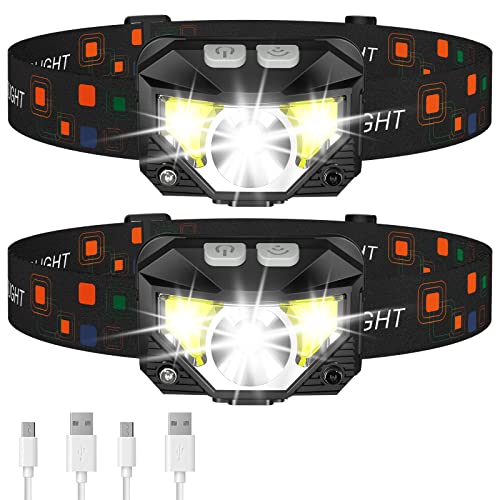
LHKNL Headlamp Flashlight, Lumen Ultra-Light Bright LED Rechargeable Headlight with White Red Light, 2-Pack Waterproof Motion Sensor Head Lamp,8 Modes for Outdoor Camping Running Hiking Fishing Best for most families
- Directional beam supports search, signaling, and accurate map or label reading under stress.
- Impact- and weather-resistant design reduces failure from drops, rain, and dust.
- Glove-friendly switch and textured grip enable safe use in cold or wet conditions.
- Simple, intuitive interface speeds deployment and reduces user error during emergencies.
 info@emerggear.com