Flashlight
Why you need this: You need an emergency flashlight to navigate blackouts, signal for help, and protect loved ones when disasters strike and other lights fail.A flashlight is a compact, handheld source of light designed to cut through darkness the moment you need clarity. In emergencies and everyday mishaps alike, it transforms confusion into control—helping you see hazards clearly, navigate safely, and make quick, confident decisions. Whether you’re responding to a power outage, inspecting a tripped breaker, checking a tire at night, or guiding your family down a stairway, a reliable flashlight delivers instant, focused illumination without relying on power grids, wireless networks, or your phone’s dwindling battery.
Unlike overhead lighting or a phone’s small LED, a purpose-built flashlight offers greater beam reach, longer runtime, and more durable construction. It’s a preparedness essential: light for first-aid, wayfinding, signaling for help, or simply preventing small accidents from becoming serious events. For many households and workplaces, keeping a flashlight in key locations is one of the highest-value safety upgrades you can make for the cost.
Preparedness is about readiness and redundancy. A flashlight doesn’t just help in a blackout—it helps during minor household fixes, late-night yard checks, and roadside surprises. Investing in the right one means you’ll have dependable light when you need it most, with the performance and durability to match your environment.
How It Works
A modern flashlight converts stored energy from batteries into visible light using efficient electronics and an LED (light-emitting diode). Power flows from the battery through a driver (a small circuit board) that regulates current to the LED. Optics—either a reflector or a TIR (total internal reflection) lens—shape the beam into a broad flood for close work or a tight hotspot for long-distance visibility. The housing protects everything from impacts and moisture, while the switch and user interface control brightness modes and special functions.
- Power source: Common options include alkaline batteries (AA/AAA), lithium primaries (like CR123A), or rechargeable lithium-ion cells (such as 18650/21700). Each chemistry balances cost, shelf life, runtime, and output potential.
- Driver and regulation: A regulated driver keeps output stable as the battery drains, maximizing usable light and protecting the LED and battery from damage.
- LED and optics: LEDs provide high efficiency and durability. Reflectors or TIR lenses shape the beam—flood beams illuminate a wider area; throw beams reach farther.
- Controls and modes: Most models include multiple brightness levels, and some add strobe or SOS for signaling. A lockout function prevents accidental activation in pockets or bags.
- Thermal management: Quality lights manage heat by reducing output before components overheat, preserving both performance and safety.
When the Flashlight Helps Most
- Natural disasters: Storms, hurricanes, earthquakes, and wildfires can knock out power and reduce visibility due to dust, smoke, or debris. A flashlight enables safe evacuation, damage inspection, and signaling to rescuers.
- Home accidents: Broken glass, water leaks under sinks, tripped breakers, or a child’s toy lost behind furniture—focused light helps you resolve the issue safely and quickly.
- Workplace situations: Maintenance checks in poorly lit rooms, warehouse inspections, construction site hazards, and after-hours security walkthroughs all benefit from reliable, hands-on lighting.
- Vehicles: Changing a tire at night, jump-starting a battery, inspecting engine components, or placing reflective triangles—bright, directed light increases safety on the roadside.
- Outdoor activities: Camping, hiking, fishing, geocaching, or walking the dog after sunset—controlled illumination extends your comfort and safety beyond daylight hours.
- Personal safety and signaling: Use the beam to make yourself visible, communicate with others at a distance, or scan for hazards before moving.
- Emergency kits and evacuations: In go-bags, first-aid kits, and home emergency bins, a flashlight is a core item for navigation, triage, and communication when other tools fail.
Strengths, Suitability & Limitations
Strengths
- Instant light on demand without reliance on cellular networks, outlets, or ambient lighting.
- Superior control of the beam for task lighting—aim exactly where you need it without lighting up the entire room.
- High durability from impact-resistant housings, sealed switches, and water-resistant designs.
- Long runtimes compared to phone lights, especially at practical brightness levels.
- Flexible power options including disposable and rechargeable batteries to fit different preparedness strategies.
What It’s Not For
- Not a replacement for hands-free lighting when two-handed work is constant; a headlamp is better for those tasks.
- Not a permanent area-light solution—use lanterns or area lights to illuminate larger spaces for extended periods.
- Not a toy—avoid giving powerful lights to unsupervised children.
- Not a universal emergency beacon—strobe can aid signaling but is not a substitute for emergency services or proper signaling devices.
Limitations and safety considerations
- Eye safety: Avoid shining directly into eyes; close-up high-output beams can cause temporary blindness or discomfort.
- Battery safety: Do not mix old and new cells, or different chemistries. Use reputable, protected rechargeable cells and the correct charger. Follow polarity markings.
- Heat management: High modes generate heat—allow cool-down and keep away from flammable materials or fabrics.
- Water ingress: Respect water-resistance ratings; submersion beyond the rating can damage electronics.
- Storage risks: Remove leaking or swollen batteries immediately and recycle properly. Inspect contacts and o-rings periodically.
What to Look For When Buying a Flashlight
Choosing the right flashlight means balancing output, runtime, durability, and usability for your environment. Focus on proven features and realistic specifications to avoid disappointment.
- Brightness and beam: Look for published lumen output (overall brightness) and beam distance or candela (throw). Decide whether you need a flood beam for close tasks or a throw beam for distance. A balanced beam suits most users.
- Runtime you can trust: Check how long the light can run at each mode, not just the maximum setting. Regulated drivers maintain consistent brightness.
- Color quality: Neutral or warm color temperatures can improve contrast in rain, fog, or dust. High-CRI LEDs render colors more accurately for first-aid and inspection tasks.
- Power options: Decide between alkaline, lithium primary, or rechargeable lithium-ion. Rechargeables (e.g., 18650/21700) offer higher output and lower long-term cost; primaries offer long shelf life for seldom-used emergency kits.
- Charging and convenience: Integrated USB-C charging can simplify readiness. If using removable cells, ensure the charger is compatible and has safety protections.
- Durability: Look for impact resistance ratings, sealed switches, o-rings, and water resistance (e.g., IPX4 for splashes, IPX8 for submersion). Anodized aluminum or robust polymer housings handle daily knocks.
- Ergonomics and carry: Consider size, weight, grip texture, tail or side switch placement, pocket clip, lanyard points, anti-roll design, and tailstanding ability for hands-free use on flat surfaces.
- User interface: Intuitive mode spacing (from ultra-low “moonlight” to bright “turbo”), memory function, momentary-on capability, and a mechanical or electronic lockout reduce misclicks and pocket activations.
- Thermal and electrical protections: Features like thermal regulation, low-voltage protection, and reverse-polarity safeguards extend tool life and enhance safety.
- Standards and testing: Consider lights that follow recognized performance standards for output, runtime, and impact/water resistance.
- Accessories: A holster, diffuser, magnetic tail, or traffic wand can expand utility for roadside safety or area lighting.
- Beware of unrealistic claims: Extremely high lumen numbers with tiny bodies, unverified specifications, no runtime data, or “too good to be true” pricing can indicate low-quality imitations. Choose realistically rated tools with clear specifications and safety details.
Placement, Storage & Readiness
Strategic placement ensures your flashlight is there when you reach for it. Redundancy builds resilience—keep more than one in the spaces you rely on most.
- Home: Bedside tables, kitchen drawers, the main entryway, and the fuse box area. Mount or place in consistent, easy-to-reach spots.
- Vehicle: Glove box or door pocket for quick access; secure it so it doesn’t become a projectile. Keep spare batteries in a protective case.
- Work and kits: Desk drawers, tool bags, first-aid kits, and emergency go-bags. Label them so everyone in the household or team knows where to find them.
- Battery management: For rechargeables, top up monthly or after each use. For long-term storage, keep cells around 40–60% charge and away from extreme heat or cold.
- Inspection routine: Monthly checks for battery condition, corrosion, switch operation, o-ring integrity, and cleanliness of contacts. Apply a small amount of silicone-safe grease to threads as needed.
- Avoid common mistakes: Don’t leave a new flashlight unopened in packaging. Don’t mix battery types or old and new cells. Don’t store loose batteries unprotected—use cases to prevent short circuits.
How to Use It Properly
- Inspect the light: Check the lens, switch, and battery compartment. Ensure o-rings are seated and contacts are clean.
- Install or verify batteries: Match the polarity markings. If rechargeable, confirm a safe, compatible charger and a healthy state of charge.
- Disable lockout (if present): Some lights require a long press or a slight twist of the tailcap to exit lockout mode.
- Power on at a low or medium mode: Start at a comfortable brightness to preserve night vision and evaluate your surroundings.
- Select the right mode for the task: Use low for close-up tasks, medium for room scanning, and high for outdoors or distance. Reserve turbo for short bursts—it can heat up quickly.
- Aim with intention: Avoid shining directly into eyes. When assisting others, angle the beam slightly down to reduce glare.
- Use signaling responsibly: Strobe or SOS can attract attention in emergencies but may disorient or annoy in normal settings.
- After use, reset for readiness: Turn off, engage lockout if appropriate, recharge or replace cells, and return the flashlight to its designated location.
Safety reminder: Keep powerful lights away from small children, avoid leaving them on soft or flammable surfaces at high output, and never charge damaged or swollen batteries.
Final Summary
A dependable flashlight is a small tool with outsized impact, providing immediate, controlled illumination when the unexpected happens. From power outages and roadside repairs to routine home maintenance, it delivers clarity and confidence at the moment you need it most. Focus on realistic performance, durable construction, and smart power management to ensure your light is trustworthy under pressure.
Place units where you’ll reach for them instinctively, keep batteries managed and charged, and practice simple operation so every family member is prepared. By choosing thoughtfully and maintaining readiness, you turn a basic tool into one of the most valuable pieces of everyday safety gear you can own.
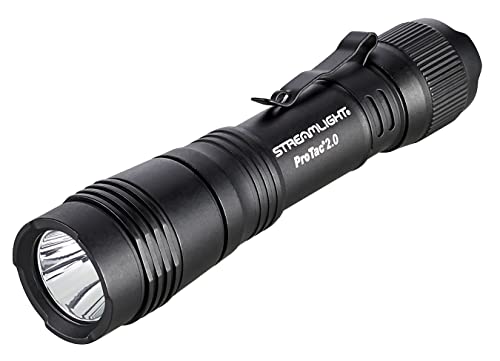
Streamlight 89000 ProTac 2.0 2000-Lumen 17300-Candela Rechargeable Tactical LED Flashlight with USB C Cable, and Holster, Box, Black Best for most families
- Restores visibility for evacuation, triage, and hazard identification during outages.
- Directional beam enables signaling and team coordination.
- Weather- and drop-resistant build supports use in harsh conditions.
- Compact, carry-ready form fits go-bags and vehicle kits.
 info@emerggear.com