Foldable Cups
Why you need this: In emergencies, a camp cup set lets you boil water and cook meals, keeping your family hydrated, fed, and safe.Foldable camping cups are compact, collapsible drinking vessels designed to flatten into a pocket-friendly disk and pop open into a sturdy cup when you need it. They are made for hikers, travelers, commuters, and anyone who values a minimal, reusable solution for drinking on the go. Because they take up so little space, they become an easy add-on to everyday carry and emergency kits alike.
Why does that matter? In real life, you often don’t have a clean cup when you need one—at the office water cooler, at a park faucet, on a road trip, or at a trailhead. A reusable cup you always have with you means instant hydration and fewer single-use disposables. In emergencies, this simple tool does even more: it helps you ration and measure water, mix oral rehydration salts, or safely sip hot liquids when stress and cold are working against you. Small, affordable, and durable, a foldable cup becomes one of those “why didn’t I carry it sooner?” items.
Beyond outdoor adventures, foldable camping cups are practical during everyday mishaps—like when glassware breaks in the kitchen, when the dishwasher fails, or when you want to keep drinks off your desk without clutter. In emergency scenarios (boil-water advisories, evacuations, sheltering in place), they enable hygienic drinking and basic water handling without bulky gear. Preparedness starts with simple, reliable tools that work anywhere, and a collapsible cup checks that box while taking up almost no room.
How It Works
Most foldable camping cups use a flexible, food-grade silicone body built in a series of telescoping rings. You pull the rim upward to extend the cup, and press the rings down to collapse it. Some designs include a reinforced rim for stability, a wider base to reduce tipping, and a lid or dust cover to keep the interior clean between uses.
- Telescoping structure: Concentric silicone rings pop up to form the cup and compress into a flat puck for storage.
- Reinforced rim: A firm rim (sometimes plastic or metal) helps the cup hold shape and provides a secure grip, especially with hot liquids.
- Stable base: A wider or textured base minimizes tipping on uneven surfaces common outdoors.
- Lid and gasket: Many include a lid to keep dust out or reduce sloshing when walking between taps and tables.
- Measurement marks: Graduated lines inside the cup let you portion water, mix powdered drinks, or prepare first-aid solutions accurately.
- Locking features: Some cups incorporate a snap ring or structural ribs that help prevent accidental collapse during use.
- Food-safe materials: Quality models use BPA-free, food-grade silicone and comply with recognized food-contact standards.
When Foldable Camping Cups Help Most
- Natural disasters: Earthquakes, hurricanes, floods, and wildfires can disrupt access to clean drinkware. A compact cup helps you drink from bulk containers at relief stations, ration filtered or purified water, and mix electrolyte powders.
- Home accidents: When glassware breaks, when plumbing issues shut down the dishwasher, or when hosting more people than you have cups for, a collapsible cup fills the gap safely and quickly.
- Workplace situations: Keep one at your desk or jobsite to sip from water dispensers without relying on disposable cups. Helpful for mobile crews, warehouses, and field teams with unpredictable access to clean cups.
- Vehicles and travel: Store one in the glovebox, center console, or carry-on. Useful for road trips, airport water stations, train rides, picnics, or filling pet bowls on the go.
- Outdoor activities: Hiking, backpacking, camping, trail running, fishing, climbing, hunting, festivals, beach days, and sports sidelines. Great for coffee in camp, trail hydration, or sharing filtered water from a bottle or gravity bag.
Strengths, Suitability & Limitations
Strengths
- Ultra-compact: Folds flat to stash in a pocket, pouch, or key clip—perfect for everyday carry and go-bags.
- Lightweight and reusable: Cuts down on single-use cups, saving money and reducing waste over time.
- Versatile: Works for water, coffee, tea, cold drinks, measuring, and basic first-aid mixing or wound irrigation in a pinch.
- Hygienic on demand: Always having a clean, personal cup improves sanitation in public or emergency settings.
- Budget-friendly preparedness: Big impact, small cost—an easy win for home kits, car kits, and backpacks.
What It’s Not For
- Not a cookpot: Don’t use directly over flame, hot coals, or camp stoves.
- Not for hazardous chemicals: Avoid fuels, solvents, and industrial liquids.
- Not a sealed bottle: Even with a lid, most are not designed for leak-proof transport of liquids in a bag.
- Not a high-pressure container: Don’t use with carbonating devices or for long-term storage of liquids.
Limitations and safety considerations
- Heat tolerance varies: Check the temperature rating before using with very hot liquids. Some have metal rims—do not microwave those.
- Structural stability: Tall, narrow designs can tip; ensure the cup is fully extended and locked (if applicable) before filling.
- Wear and tear: Over time, silicone can abrade or tear if scraped against sharp objects; inspect regularly.
- Odor and taste transfer: Strong flavors can linger. Keep a dedicated cup for coffee/tea if you’re sensitive to tastes.
- Hygiene: Dry thoroughly before long-term storage to prevent odor. Clean promptly after sugary or dairy drinks.
What to Look For When Buying a Foldable Camping Cup
Picking the right cup is simple when you focus on material quality, thoughtful design, and proven safety. Look for the following:
- Food-grade silicone: BPA-free and phthalate-free, ideally with certifications (e.g., compliance with FDA or LFGB food-contact standards). Platinum-cured silicone often resists odors better.
- Temperature rating: Confirm safe ranges for hot beverages. If you plan to drink coffee or tea, verify it’s designed for heat and check whether the rim gets hot.
- Rim and base design: A firm rim improves grip and durability; a wide, textured base adds stability on rough surfaces.
- Locking or anti-collapse features: Structural ribs or a locking ring help prevent accidental folding while drinking.
- Lid and gasket: A dust cover or lid is handy for keeping the cup clean between uses and can reduce spills when moving around camp or office.
- Measurement lines: Graduations enable precise mixing of drinks or first-aid solutions—valuable for preparedness.
- Capacity that matches your use: Everyday coffee drinkers may prefer larger volumes; ultralight hikers might choose smaller sizes to save space and weight.
- Packed size and weight: Verify it fits your pocket, hip belt, or kit pouch without bulk.
- Grip and handling: Optional handles, finger loops, or carabiner holes improve usability with gloves or cold hands.
- Ease of cleaning: Smooth interior surfaces, minimal creases, and dishwasher-safe construction make maintenance easier. Top-rack dishwasher use is common—but always confirm.
- Build quality: Even, uniform wall thickness; snug-fitting lids; clean molding with no sharp flashing. The cup should stand reliably when full.
- Odor check: Strong chemical smells are a red flag for low-quality materials; high-quality silicone tends to be neutral.
Beware of low-quality imitations that look similar but flex too easily, collapse unexpectedly, or develop odors. Thin walls, sloppy seams, weak rims, or poorly fitting lids often signal cut corners that can affect safety and longevity.
Placement, Storage & Readiness
The best gear is the gear you can reach. Stash foldable camping cups where you’ll actually use them, and maintain them so they’re always ready.
- Home: Keep one near the sink, in a drawer with water filters, or inside your emergency kit for outages and boil-water events.
- Work: Store one at your desk or in your locker for hygienic sipping and fewer disposables.
- Vehicle: Add one to the glovebox or trunk kit for road trips and roadside emergencies. Pair with a small bottle of hand soap or sanitizing wipes.
- Backpacks and go-bags: Place near water treatment gear so you can filter and drink without juggling containers.
- First-aid kits: Consider a separate, clearly labeled cup for medical use (e.g., mixing oral rehydration salts) to avoid flavor crossovers.
Inspection and maintenance tips
- Before each trip, open/close the cup to ensure smooth motion and full extension.
- Check for cracks, tears, chalky spots, or uneven rings that could cause collapse.
- Confirm lids fit securely and gaskets aren’t warped or missing.
- Wash and fully dry the cup before long-term storage; store with the lid ajar if possible to prevent trapped moisture.
- If odors develop, soak with a baking soda solution or lemon-water and air out thoroughly.
Avoid common mistakes
- Don’t place the cup near open flames, hot cookware, or direct heating elements.
- Don’t exceed the manufacturer’s temperature rating; be cautious with boiling liquids.
- Don’t pack the cup wet for long periods—dry it to prevent odor or mildew.
- Don’t use with chemicals, fuels, or unknown industrial liquids.
- Don’t microwave cups with metal rims; always check labeling first.
How to Use It Properly
- Wash before first use: Clean with warm, soapy water, then rinse and dry.
- Expand fully: Pull the rim up until all rings are fully extended. If the cup has a lock or stabilizer, engage it.
- Check stability: Place the cup on a flat surface and ensure the base sits evenly.
- Mind the heat: For hot drinks, verify the temperature rating. If the rim conducts heat, use caution and avoid overfilling.
- Fill below the top ring: Leave room to prevent spills, especially if walking with the cup.
- Use the lid when moving: If included, secure the lid to reduce slosh and keep debris out. Do not assume it is leak-proof unless explicitly stated.
- Grip at the rim or reinforced area: Avoid squeezing the middle of the cup to prevent accidental collapse.
- After use, rinse and dry: Clean promptly, especially after sugary or dairy drinks, and allow to air-dry fully.
- Collapse carefully: Press the rings down one by one to avoid trapping moisture or bending the structure.
- Store smart: Keep in a clean pouch or pocket away from sharp objects and direct sunlight.
Safety reminder: Test your cup at home, learn its feel and stability, and confirm any temperature limits before relying on it in the field.
Final Summary
Foldable camping cups deliver outsized value for their size. They bring dependable hydration to commutes, offices, campsites, and emergency shelters while cutting waste and clutter. In a crisis, they help you portion water, mix electrolytes, and keep drinking hygienic—even when resources are scarce. In everyday life, they’re simply convenient: a clean cup that’s always with you.
If you’re equipping a backpack, glovebox, or home kit, this is a low-cost, high-utility upgrade. Choose safe, food-grade materials, prioritize stability and ease of cleaning, and maintain your cup so it’s ready whenever you are. Preparedness is built on small, reliable tools—start with the one you’ll use every day.
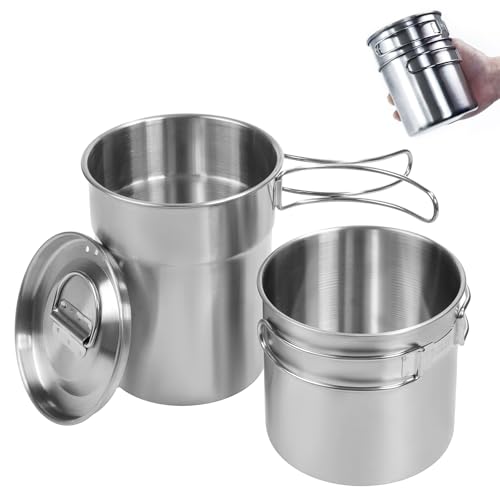
Foldable Camping Cups Mugs Camping Pot Cookware 304-Food-Grade Outdoor Camp Cooking Set with Vented lid,Stainless Steel Backpacking Cookware for Hunting Best for most families
- Personal cup reduces pathogen transfer versus shared containers in crowded shelters.
- Food‑grade, nonporous materials tolerate hot liquids and contact with disinfectants.
- Collapsible design saves space and adds minimal weight to go‑bags.
- Supports filtration, chemical treatment, and oral rehydration workflows.
 info@emerggear.com