Foldable Water Bottle
Why you need this: When disaster disrupts water, a collapsible bottle ensures you can carry lifesaving water on the go, keeping you and your family hydrated.Foldable Water Bottle: Compact, Reusable Hydration for Everyday Life and Emergencies
A foldable water bottle is a reusable, flexible container that collapses to a fraction of its size when empty. Unlike rigid bottles, it bends or rolls to save space, yet expands to full capacity when filled. This simple idea delivers a powerful benefit: reliable hydration without the bulk. Whether you’re commuting, traveling, exercising, or preparing an emergency kit, a foldable water bottle keeps water within reach while staying out of the way when you don’t need it.
In emergencies or everyday accidents, access to safe drinking water can change the outcome of your day—or your safety plan. A foldable water bottle fits into glove boxes, desk drawers, backpacks, carry-ons, and go-bags, providing an instant container for clean water when the tap goes off, a pipe bursts, or you need to collect filtered or distributed water during outages. Because it’s lightweight and packable, it’s also an ideal backup for kids, older adults, and anyone who wants to carry water without adding weight.
Bottom line: a foldable water bottle is a low-cost, high-impact tool that supports daily wellness, reduces single-use plastic, and strengthens your readiness during disruptions, evacuations, and unexpected detours.
How It Works
A foldable water bottle uses a soft, food-safe material—commonly silicone or thermoplastic polyurethane (TPU)—to create a flexible body that collapses when empty and expands when filled. The cap or spout forms a leak-resistant seal, and many designs include a wide mouth for easy filling and cleaning. Some models roll up with a strap; others compress like an accordion or lie flat like a pouch.
- Flexible body: Soft walls flatten, fold, or roll to reduce volume when the bottle is empty.
- Leak-resistant cap: Screw caps, flip spouts, or bite valves prevent spills and keep dirt out.
- Structured support: A reinforced neck or base helps the bottle stand when filled.
- Roll-up or accordion design: Different folding styles optimize packability and speed of use.
- Carry options: Integrated strap, handle, or carabiner loop for bags, belts, or packs.
- Food-safe materials: Typically BPA-free, phthalate-free, and designed to be taste-neutral.
- Easy maintenance: Wide-mouth openings and smooth interiors support faster cleaning and drying.
- Filter compatibility: Some bottles accept inline or screw-on filters for backcountry or emergency use.
Once you fill it, the internal water pressure helps the bottle hold its shape. After drinking, you can gently deflate, fold, or roll it to store in a pocket or small pouch.
When the foldable water bottle helps most
- Natural disasters and outages: Earthquakes, hurricanes, floods, and winter storms can disrupt water service. A foldable water bottle makes it easy to collect, store, and carry safe water from distribution points or purification systems.
- Evacuations and sheltering: When speed and space matter, packable bottles enable hands-free movement and reduce the bulk of your go-bag.
- Home accidents: Burst pipes, surprise repairs, or boil-water advisories can force you to rely on stored or filtered water. A collapsible bottle provides a clean container on demand.
- Workplace and commute: Keep one in your desk or backpack to avoid single-use bottles, refill at fountains, and stay hydrated through long meetings and transit delays.
- Vehicles and roadside emergencies: Store an empty bottle in your glove box or emergency kit; fill it whenever you find a safe source. Useful during traffic jams, breakdowns, or heat waves.
- Outdoor activities: Hiking, camping, trail running, cycling, and kayaking all benefit from lighter packs and flexible capacity. Carry extra water only when needed.
- Fitness and sports: Bring a bottle that won’t take up space after your workout. It tucks into gym bags without clanking or leaking.
- Travel and day trips: Walk through busy days with a bottle that folds away at museums, events, or security checkpoints and refills whenever there’s a fountain.
- School and campus life: A foldable design fits easily in lockers and small bags while supporting consistent hydration through the day.
Strengths, Suitability & Limitations
Strengths
- Ultra-packable: Collapses to save space in pockets, purses, and go-bags.
- Lightweight: Ideal for long days on foot or weight-sensitive travel.
- Eco-friendly: Reduces reliance on single-use plastic bottles.
- Versatile capacity: Carry more water when needed; compress when you don’t.
- Everyday to emergency use: Equally helpful for office hydration and disaster readiness.
- Budget-friendly preparedness: An affordable upgrade to any kit.
What It’s Not For
- Long-term water storage: Not a substitute for rigid, food-grade storage containers.
- Boiling or near-boiling liquids: Many flexible materials are not rated for high heat.
- Strong carbonation or high-pressure contents: Can stress seams and valves.
- Rough, abrasive use: Sharp edges and repeated scraping can puncture soft walls.
Limitations and safety considerations
- Taste and odor retention: Lower-quality plastics can impart flavors; choose food-safe, odor-resistant materials.
- Cleaning diligence: Soft bottles need thorough drying to prevent mold; wide mouths help.
- UV exposure: Prolonged sunlight can degrade materials; store out of direct sun.
- Integrity checks: Inspect seams, caps, and valves regularly for wear, microtears, or leaks.
- Water safety: If the source is questionable, treat or filter the water before drinking.
What to Look For When Buying a foldable water bottle
Selecting the right foldable water bottle comes down to material quality, design details, and intended use. Prioritize durability, safety, and ease of cleaning to get maximum value and reliability.
- Material: Food-grade silicone or TPU that’s BPA-free and designed to be taste-neutral.
- Capacity options: Common sizes include 500–750 ml and 1 liter; match to daily and emergency needs.
- Cap and seal quality: A reliable screw cap, flip spout, or bite valve with leak-proof sealing and a dust cover for hygiene.
- Wide-mouth opening: Easier filling from low-pressure faucets, streams, or filters; simplifies cleaning.
- Reinforcements: Sturdy necks, welded seams, and abrasion-resistant areas at fold points.
- Grip and handling: Textured surfaces, carry loops, or straps for wet or gloved hands.
- Filter compatibility: If you plan to purify water, check threading and adapter fit with common portable filters.
- Temperature rating: Confirm safe ranges for cold or warm liquids; avoid models not rated for heat if you like warm beverages.
- Ease of drying: Collapsible designs that prop open or include removable stiffeners help airflow inside.
- Weight and pack size: Balance ultralight construction with durability; travel and emergency kits often prefer lighter weights.
- Measurement markings: Helpful for tracking intake, mixing electrolytes, or dosing purification tablets.
Beware of low-quality imitations. Signs of cut corners include strong plastic odors, flimsy caps, thin seams, and vague safety claims. Look for clear material specifications, robust seals, and consistent construction to avoid leaks and premature wear.
Placement, Storage & Readiness
Smart placement turns a foldable water bottle into a daily convenience and an emergency asset. Stash at least one where you spend the most time and where you may need quick access to water.
- Go-bags and emergency kits: Keep one per person; add purification tablets or a compact filter nearby.
- Vehicles: Store empty to prevent heat stress; fill as needed at safe sources.
- Workstations and lockers: Encourage routine hydration and reduce impulse purchases of single-use bottles.
- Travel bags: Pack empty; refill after security or whenever you find a fountain.
- Outdoor gear bins: Stage bottles with hiking, camping, and fitness essentials.
Maintenance matters. Rinse and dry thoroughly after each use, especially if you mix flavored drinks. Air-dry with the cap off and store in a cool, dry place away from direct sunlight. Periodically inspect for discoloration, odor, or wear at fold points; replace if integrity or hygiene is compromised.
How to Use It Properly
- Inspect: Before first use, check the body, seams, cap, and valve for defects or damage.
- Wash: Clean with warm soapy water, then rinse thoroughly. Allow to air-dry.
- Sanitize when needed: For emergency readiness, sanitize according to manufacturer guidance or use a mild, food-safe solution. Rinse well.
- Fill: Use a safe, potable source. If water quality is uncertain, treat or filter before drinking.
- Secure the cap: Tighten until fully sealed; test by gently inverting the bottle.
- Carry smart: Use the strap or loop to attach to your bag; avoid sharp objects that can puncture soft walls.
- Drink and deflate: As you drink, squeeze out excess air to reduce sloshing and save space.
- Collapse after use: Empty, then fold or roll. Keep the cap slightly open while drying to vent moisture.
- Dry completely: Prevent mold by air-drying with the mouth open, then close and store.
- Rotate and replace: Periodically refresh your bottle in emergency kits and replace at signs of wear.
Safety reminders: Avoid boiling or near-boiling liquids unless specifically rated. Be cautious with carbonated beverages. If the bottle develops persistent odor, discoloration, or leaks, replace it promptly.
Final Summary
A foldable water bottle is a small piece of gear that solves big problems: it cuts single-use waste, lightens your load, and ensures you always have a safe container for water. From hectic weekdays to crisis conditions, it keeps hydration simple and reliable. Choose a quality, food-safe design, stage it where you’ll need it most, and maintain it with quick clean-and-dry routines.
Preparedness starts with practical habits. Add a foldable water bottle to your everyday carry and emergency kits today, and you’ll be ready to hydrate anywhere—without the bulk, the waste, or the hassle.
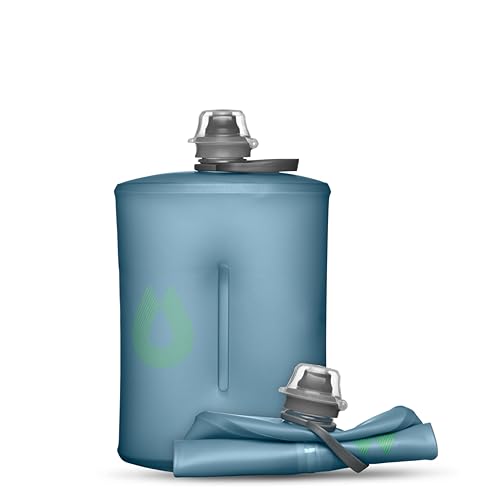
HydraPak Stow - Collapsible Backpacking Water Bottle (350ml, 500ml, 1L) - BPA Free, Ultra Light, Spill-Proof Twist Cap Best for most families
- Collapses flat, conserving pack space for medical, shelter, and signaling gear.
- Flexible body aids filling from shallow sources and squeezing through portable filters.
- Tight-sealing cap reduces contamination and leakage during transport and storage.
- Works with tablets, UV, or filters to make unsafe water potable.
 info@emerggear.com