Folding Knife
Why you need this: When disasters strike, a dependable folding knife handles cutting, repairs, and food prep so you can protect loved ones and stay self-reliant.Complete Guide to Folding Knives for Everyday Carry, Emergencies, and Safe Use
A folding knife is a compact, pocketable cutting tool with a blade that pivots into its handle for safe carry. Because the edge is enclosed when not in use, it’s convenient for everyday carry while remaining discreet and practical. In everyday life and unexpected emergencies, a folding knife can be the difference between struggling with a task and resolving it quickly. From opening packages to cutting cordage during a storm, a dependable folding knife is a versatile, always-there utility that supports preparedness and safety.
What sets a folding knife apart is the balance of portability, protection, and capability. The blade is sheltered when closed, reducing accidental cuts and making it easier to keep on you. In fast-moving situations—whether you’re addressing a household mishap, making a quick repair at work, or dealing with aftermath of a natural disaster—a folding knife provides controlled, precise cutting without the bulk of a fixed-blade tool. Used responsibly, it can help you manage emergencies, support first-aid efforts by cutting bandages or clothing, and carry out everyday tasks more efficiently.
For anyone interested in everyday carry (EDC), emergency readiness, outdoor recreation, or simply a smarter home toolkit, a folding knife is a cornerstone item. The key is choosing a reliable option, learning how it works, and using it safely and legally in your region.
How It Works
At its core, a folding knife’s blade rotates around a pivot and nests inside the handle when closed. When opened, it either locks in place or relies on spring tension to stay open. This simple mechanical approach enables a compact form in the pocket and a secure cutting tool in the hand.
- Blade and geometry: The blade’s shape (such as drop point, sheepsfoot, or tanto), thickness, and grind affect how it cuts. A thinner, well-honed edge excels at slicing; a sturdier grind resists damage during tougher tasks.
- Pivot and washers/bearings: The blade turns on a pivot, often with bronze washers or ball bearings to reduce friction and enhance smooth opening and closing.
- Closing tension: A detent ball or backspring helps keep the blade closed inside the handle, preventing accidental openings in your pocket.
- Locking mechanisms: Many folding knives have a lock to hold the blade open (for example, liner, frame, back, button, or crossbar-style locks). Others use a slipjoint or friction mechanism that does not lock but stays open with spring pressure. Always understand your mechanism; a lock is not a guarantee against misuse.
- Opening methods: Common features include a nail nick, thumb stud, thumb hole, or flipper tab. Some designs allow easy one-hand opening where legal; others require two hands for added control and compliance with local regulations.
- Stop pin/shoulder: A stop pin or shouldered tang determines the open position and helps prevent the blade from over-rotating.
- Handle and ergonomics: Scales made from materials like synthetic composites, metal, or wood provide grip and comfort. Good ergonomics reduce fatigue and help keep your fingers clear of the blade’s path.
- Pocket clip and carry: Many folding knives include a pocket clip for tip-up or tip-down carry, left- or right-hand orientation. Proper carry improves access and consistency under stress.
The interplay of these parts ensures a reliable, repeatable action: safe to carry when closed, secure to use when open. Understanding your mechanism is essential for safe handling and maintenance.
When the Folding Knife Helps Most
- Natural disasters: Cut rope for temporary repairs, trim tarps for shelter, open emergency rations, size duct tape, or slice plastic sheeting for weatherproofing after storms, hurricanes, or earthquakes.
- Home accidents: Carefully cut bandages or clothing during first-aid responses, free snagged fabric, open stubborn packaging without tearing skin, and prepare splints or compresses. Always prioritize medical help in serious situations.
- Workplace situations: Open boxes, cut shrink wrap, trim cable ties, size foam or rubber for quick fixes, and manage light-duty maintenance tasks. Follow your workplace policies and safety rules.
- Vehicles: In a controlled, safe scenario, cut tangled rope or webbing, free stuck straps, or open packaging for roadside repair items. Specialized rescue tools exist for seatbelts and glass; use dedicated equipment when available.
- Outdoor activities: Camping, hiking, fishing, and hunting all benefit from a compact cutting tool: cut paracord, prepare tinder, portion food, shape tent stakes, repair gear, and manage fishing line.
- Everyday convenience: Open mail and parcels, slice loose threads, trim labels, break down cardboard for recycling, and tackle countless small chores without searching for scissors.
Strengths, Suitability & Limitations
Strengths
- Compact and portable: Folds safely into a pocket, backpack, or glove compartment.
- Versatile utility: Handles a wide range of cutting tasks from household chores to light fieldwork.
- Safe carry: Closed blade reduces accidental cuts and damage to gear.
- Fast access: One-hand opening (where legal) and pocket clips enable quick deployment.
- Discreet everyday carry: A small, practical tool that’s easy to keep on you for preparedness.
- Maintainable: Many are easy to clean, sharpen, and lubricate for long-term reliability.
What It’s Not For
- Prying or chiseling: A folding knife is not a pry bar, chisel, or screwdriver; misuse can damage the tool and cause injury.
- Heavy chopping: Not designed for batoning wood or heavy strikes—use appropriate tools.
- Electrical work: Never cut live wires; use insulated, purpose-built tools.
- Prohibited environments: Respect locations and events where knives are not permitted.
Limitations and safety considerations
- Lock limits: A lock adds security but can fail if misused; keep fingers out of the blade path and avoid twisting or prying.
- Legal variability: Blade length, opening method, and carry rules vary; verify local laws before carrying.
- Grip and control: Wet, oily, or gloved hands reduce control; slow down and reassess conditions.
- Maintenance needs: Dull edges slip and cause accidents; clean, dry, and sharpen regularly.
- Storage safety: Keep out of reach of children and untrained users; store closed and secured.
What to Look For When Buying a Folding Knife
Selecting the right folding knife means balancing performance, safety, and legality. Prioritize build quality and reliability over gimmicks.
- Blade steel and heat treatment: Look for a good balance of edge retention, toughness, and corrosion resistance. Stainless steels resist rust near water and sweat; carbon steels may sharpen easily but can require more care.
- Blade shape and edge: Choose a shape aligned to your tasks (e.g., a general-purpose profile for EDC or a rescue-friendly shape). Plain edges are simple to maintain; partial serrations can help on fibrous materials but are harder to sharpen.
- Lock reliability: Ensure the lock engages fully, releases predictably, and keeps fingers clear during closure. Test for side-to-side or vertical blade play.
- Opening method: Pick a mechanism that is legal in your area and comfortable for you—two-handed openings offer control; one-hand systems add speed but may be restricted.
- Ergonomics and grip: The handle should fit your hand without hot spots. Texture or contouring improves control, especially in wet conditions.
- Size and weight: A pocket-friendly length and thickness make daily carry realistic. Ensure the blade length complies with local rules.
- Pocket clip and carry options: Consider clip orientation and retention. A well-tuned clip supports consistent access and minimizes printing in the pocket.
- Fit and finish: Check alignment and centering, smooth action without grinding, consistent hardware, and solid lockup.
- Maintenance design: Screwed construction can allow disassembly for cleaning (if permitted by the maker). Washers or bearings should operate smoothly when properly lubricated.
- Safety features: Look for designs that keep your fingers out of the closing path and include secure traction on critical contact points.
- Material quality: Durable handle materials and corrosion-resistant hardware improve longevity, especially in humid or coastal environments.
- Avoid low-quality imitations: Be cautious of tools with suspiciously low prices, gritty pivots, misaligned parts, or unclear specifications. Poor heat treatment and subpar hardware can create safety risks.
- Legal compliance: Confirm regional regulations before purchasing; prioritize a knife you can legally carry and use.
Above all, prioritize a well-made, reliable tool that suits your environment and skill level. A dependable folding knife inspires confidence and reduces the likelihood of accidents.
Placement, Storage & Readiness
Where and how you stage your folding knife matters. The goal is quick access for legitimate tasks while ensuring safety and compliance.
- On-body carry: Clip it in a dedicated pocket free of coins or keys. Consistent carry position builds reliable muscle memory.
- At home: Store a spare in a toolbox or utility drawer, closed and out of reach of children. Consider a lockable storage solution if needed.
- In vehicles: Where allowed, keep it secured in a glove box or organizer to avoid shifting during travel. Follow local laws strictly.
- Go-bags and kits: Include one in emergency kits alongside first-aid, lighting, and water treatment. Pack a small cloth, lubricant, and compact sharpener for field maintenance.
- Inspection routine: Monthly or after hard use, check blade sharpness, lock engagement, screw tightness, clip security, and signs of rust. Address issues immediately.
- Maintenance habits: Wipe the blade dry after use, especially around moisture or food. Apply light oil to the pivot and blade, and sharpen before it gets very dull.
- Avoid common mistakes: Don’t store long-term in wet leather sheaths, don’t toss it loose with heavy tools, and don’t ignore grit or sticky residues that hinder safe operation.
How to Use It Properly
- Check legality and environment: Confirm that carry and use are permitted where you are. Ensure you have adequate lighting and a clear, stable workspace.
- Grip and draw safely: Retrieve the folded knife with a secure grip. Keep fingers away from the blade slot and maintain awareness of people around you.
- Open under control: Use the intended method (two-handed or one-handed where legal). Point the blade away from your body and bystanders. Do not “flick” open if it compromises control.
- Confirm lockup: If your knife locks, gently test it to ensure engagement. If it’s a non-locking knife, be extra mindful of pressure and direction.
- Plan the cut: Stabilize the material. Cut away from your body, keep your other hand behind the blade spine, and use slow, deliberate strokes.
- Avoid misuse: Don’t twist, pry, or hammer the spine. If the cut binds, stop and reposition rather than forcing it.
- Close carefully: Move fingers out of the blade’s path, disengage the lock if present, and guide the blade closed under control. Never let it snap shut near your fingers.
- Clean and store: Wipe off debris and moisture. If used around food or bodily fluids, clean appropriately and sanitize. Lubricate the pivot lightly and store closed.
- Inspect after drops or impacts: If the knife is dropped or struck, check for blade play, cracked handles, or lock issues before the next use.
- Safety reminders: Wear cut-resistant gloves when appropriate, keep bystanders at a safe distance, and never hand off an open knife—close it first and pass handle-first.
- Emergency context: For serious incidents, call trained responders. A folding knife can assist with simple tasks but does not replace professional rescue tools or skills.
Final Summary
A folding knife earns its place in your pocket or kit by being compact, dependable, and versatile. It helps solve daily challenges—opening packages, trimming cordage, making quick fixes—and supports readiness during emergencies, from storm aftermath to basic first aid. The right choice combines sound materials, a trustworthy mechanism, and comfortable ergonomics, all carried and used within the law.
Commit to safe handling, consistent maintenance, and thoughtful staging so your tool is ready when needed. With the proper mindset and respect for safety, a folding knife becomes a small but vital part of a resilient, well-prepared life.
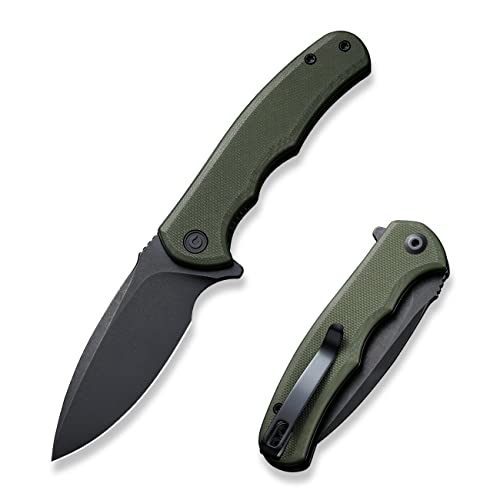
CIVIVI Mini Praxis Folding Pocket Knife, 2.98" D2 Steel Blade G10 Handle Small EDC Knife with Pocket Clip for Men Women, Sharp Camping Survival Hiking Knives C18026C-1 Best for most families
- Cuts cordage, webbing, fabric, and tinder for shelter, first aid, and rescue.
- Locking mechanism lowers accidental closure risk during controlled slicing and push cuts.
- One-handed deployment enables use while stabilizing a patient or managing gear.
- Corrosion-resistant build and pocket clip support dependable carry in wet, chaotic conditions.
 info@emerggear.com