Hand Crank Generator
Why you need this: When disaster cuts power, a hand-crank emergency charger provides enough energy to contact help and light your way, keeping your family safe.A hand dynamo is a compact, hand-cranked generator that turns your physical effort into usable electricity. In emergencies or everyday accidents, it gives you a dependable way to power lights, radios, and small electronics without relying on the grid, fuel, or sunny weather. When everything else fails, a hand dynamo keeps critical communication and essential lighting within reach.
Because it’s simple, portable, and mechanical, a hand dynamo is ideal for preparedness kits at home, in vehicles, and during travel. No batteries to replace, no fuel to store, and no charging schedule to remember—you create power on demand. For households, outdoor enthusiasts, and safety-minded professionals, this tool bridges the gap between convenience and resilience.
In everyday mishaps—like a tripped breaker, a dead phone, or a flashlight gone dark—a hand dynamo offers instant, renewable power. In larger emergencies—storms, blackouts, or infrastructure failures—it becomes a compact lifeline that keeps information flowing and lights on until normal power returns.
How It Works
At its core, a hand dynamo is a small generator. When you turn the crank, gears spin a magnet past coils of wire, inducing an electrical current (Faraday’s law). That raw current is then rectified and regulated to safe, usable power for LEDs, radios, or USB-charged devices. Many units include a small battery or capacitor to smooth output and store energy between cranks.
- Mechanical energy in, electrical energy out: Your cranking motion drives a generator to create electricity.
- Gearing for efficiency: Internal gears multiply the crank speed so moderate hand movement yields higher generator RPM.
- Rectification and regulation: The device converts generated AC into stable DC power suitable for electronics.
- Energy buffering: A built-in battery or capacitor reduces flicker and supplies power during brief pauses.
- Practical outputs: Common features include an integrated LED light, a radio, and one or more USB ports for small devices.
Output varies by design, but most hand dynamos are intended for low-power, essential loads—think lighting, radios, and phones rather than power tools or appliances. With steady cranking, you can produce a continuous trickle that’s enough to communicate, navigate, and stay informed.
When The hand dynamo Helps Most
- Natural disasters: Hurricanes, wildfires, earthquakes, floods, and winter storms often cut power. A hand dynamo keeps an emergency radio, LED lantern, or phone charged to get updates and contact loved ones.
- Home accidents: A blown fuse, a tripped breaker, or a drained flashlight battery is far less stressful when you can instantly generate your own light and recharge small devices.
- Workplace interruptions: In offices, warehouses, and job sites, unexpected outages happen. A hand dynamo helps maintain basic communication and lighting for safety and coordination.
- Vehicles: If your phone is dead and you’re stranded, hand-cranked charging can provide enough power for calls, navigation, or roadside assistance. It won’t start a car, but it can power the essentials.
- Outdoor activities: Camping, hiking, fishing, and overlanding all benefit from a compact, weather-ready power source that isn’t dependent on sun or sockets.
- Travel and remote work: In areas with unreliable grids or limited outlets, a hand dynamo is a compact backup for critical communication gear.
- Preparedness kits: From go-bags to first-aid stations, adding a hand dynamo ensures you always have a baseline of power.
Strengths, Suitability & Limitations
Strengths
- On-demand, renewable power: Works anytime—no sun, fuel, or wall outlet needed.
- Low maintenance: Simple mechanics mean fewer points of failure and long shelf life.
- Portable and lightweight: Easy to carry in kits, vehicles, and backpacks.
- Safe and clean: No fumes, heat, or combustion; suitable for indoor use.
- Multi-function potential: Many include lights, radios, and SOS features to consolidate gear.
What It’s Not For
- High-draw devices like laptops, heaters, kettles, or large fans.
- Jump-starting or charging vehicle starter batteries.
- Replacing larger power solutions like solar panels or high-capacity battery stations.
- Continuous unattended operation—it requires user effort to generate power.
Limitations and safety considerations
- Extended cranking can cause fatigue; use breaks and switch hands to avoid strain.
- Do not over-speed the crank; too-fast operation can stress gears and electronics.
- Keep fingers, hair, and clothing clear of moving parts; use a stable grip and stance.
- Water resistance varies; check the rating before using in rain or wet environments.
- Contains magnets and electronics; store away from sensitive magnetic media and compasses.
What to Look For When Buying a hand dynamo
Choosing the right hand dynamo comes down to performance, durability, and ease of use. Prioritize honest specifications and protective electronics to keep your devices safe.
- Regulated output: Stable 5V USB with over-voltage, over-current, and short-circuit protection to safeguard phones and radios.
- Energy storage: Integrated battery or capacitor for smoother output; check capacity and whether it holds charge over time.
- Crank ergonomics: Comfortable handle, good leverage, and low-friction gearing; ambidextrous operation is a plus.
- Build quality: Sturdy materials, reinforced hinges, solid bearings, and a protected crank mechanism.
- Weather resistance: Look for clear dust/splash ratings if you’ll use it outdoors.
- Output options: Multiple ports (e.g., USB-A/USB-C), integrated LED, and—if relevant—AM/FM or weather band reception.
- Indicators: Charge/overload LEDs or simple meters that help you maintain an efficient cranking pace.
- Size and weight: Balance portability with durability; compact enough for kits without sacrificing usability.
- Serviceability: Access to replacement cables or handles and clear documentation extend the device’s life.
- Certifications and quality assurance: Look for recognized compliance marks and transparent specifications.
- Realistic claims: Be cautious of exaggerated wattage, vague output data, or missing protection features—common signs of low-quality imitations.
Tip: If you plan to charge phones regularly, favor models that specify regulated USB output and include a modest internal buffer battery or capacitor to reduce pulsing.
Placement, Storage & Readiness
Placement is about fast access and routine checks. Store your hand dynamo where you’ll find it quickly—without digging through a closet during a blackout.
- Home: Bedside drawer, kitchen utility shelf, or your central emergency kit.
- Vehicle: Glove box or center console with a short charging cable attached.
- Work: Desk drawer, safety station, or team emergency bin.
- Go-bags: Pack in an outer pocket for quick access during evacuations.
Store in a cool, dry place. If your hand dynamo includes a battery, give it a top-up crank or charge every few months to keep it healthy. Keep essential accessories—charging cable, adapter tip, and a small light—bundled with the unit so they’re not misplaced.
- Test monthly: crank for 1–2 minutes, check the light, radio (if present), and USB output.
- Inspect for wear: look for cracks, loose handles, or frayed cables.
- Protect from impacts: avoid tossing into bags with sharp tools that could damage the casing or ports.
- Label it: a simple tag (“Emergency Power”) helps everyone in the household know what it is and where it belongs.
How to Use It Properly
- Inspect the device for damage and ensure the crank unfolds and rotates freely.
- If it has an internal battery, give it an initial charge (via crank or compatible input) so it’s ready for quick use.
- Choose a stable stance or surface. Secure your grip and keep fingers away from hinges and gears.
- Connect your load: plug in the built-in light, tune the radio, or connect a phone/power bank to the output port.
- Begin cranking at a smooth, steady pace—typically a couple of turns per second. Avoid jerky or overly fast movements.
- Watch indicators (if present). If an overload light appears, slow down or reduce the load.
- Manage fatigue: switch hands every minute or two, take short breaks, and consider charging a small power bank first, then the phone from the bank.
- In wet conditions, only operate if your hand dynamo is rated for moisture; otherwise, move to a dry area before cranking.
- After use, disconnect devices, fold the crank carefully, coil cables, and stow everything together.
- Log a quick reminder to test the unit monthly so it’s always ready when you need it.
Safety reminder: Don’t disassemble the unit, don’t exceed recommended speed, and keep it out of reach of young children unless supervised.
Final Summary
A hand dynamo is a simple, proven tool that delivers reliable, on-demand power when the grid is down or everyday mishaps strike. It’s compact, long-lasting, and effective at keeping lights on and communication devices alive—no fuel or sunlight required.
Choose a well-built model with regulated output, comfortable cranking, and practical features. Stage it where you can reach it quickly, test it periodically, and practice for a minute so you know what “steady and efficient” feels like. With a hand dynamo in your kit, you’re not waiting on the weather or wall outlets—you’re in control of your essential power.
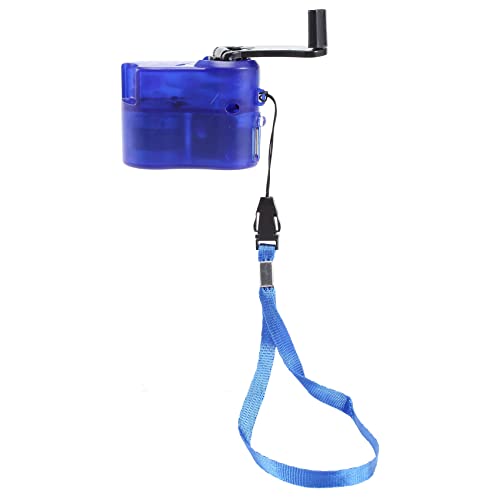
USB Emergency Hand Cranking Dynamo for Universal Charger Travel Charger Gadgets, Blue Best for most families
- Manual power on demand; no grid, fuel, or sunlight.
- Direct mechanical-to-electrical conversion; output starts instantly and scales with cranking effort.
- Stays ready after long storage; no fuel aging or battery maintenance to manage.
- Powers lights and charges small electronics via compatible outputs for communication and navigation.
 info@emerggear.com