Knife Sharpener
Why you need this: Keep your family safe when disaster strikes; this emergency knife sharpener keeps blades ready, starts fires, and lets you signal rescue.A knife sharpener is a tool designed to restore and maintain the cutting edge of your blades so they perform safely and efficiently. Whether you cook daily, enjoy outdoor adventures, or want a reliable edge for emergency tasks, a quality option keeps your knives and multi-tools ready to work. Dull blades demand more force, slip unpredictably, and are a common cause of cuts; a sharp edge, by contrast, reduces the chance of accidents and helps you finish jobs faster with cleaner results.
Beyond the kitchen, a knife sharpener can play a meaningful role in disaster preparedness and day-to-day resilience. In a power outage, storm, or evacuation, sharp blades streamline food prep, cutting cordage, opening packaging, and even crafting improvised repairs. When time matters, maintaining your knives and tools isn’t just about convenience—it’s about readiness and safety. With basic care and occasional touch-ups, a knife sharpener also extends the life of your knives, saving you money over time and improving consistency in your cuts.
It’s helpful to distinguish between sharpening and honing. Honing realigns a slightly bent edge and is great for quick touch-ups; sharpening removes a small amount of metal to recreate the edge geometry. A good knife sharpener can do one or both depending on its design, keeping your blades keen, dependable, and safer to use in everyday tasks and emergencies alike.
How It Works
A knife sharpener refines the blade’s bevel by moving it across an abrasive surface at a consistent angle. The abrasive—diamond, ceramic, or bonded stone—shaves microscopic layers of metal, rebuilding a clean apex (the very edge) and removing damage like micro-chips. Many sharpeners guide the angle for you; others rely on your technique. Honing tools, like rods or fine ceramic, mostly straighten micro-deformations rather than remove much material.
- Abrasive action: Coarse grits repair damage and set the primary bevel; medium grits sharpen; fine and ultra-fine grits polish and refine.
- Angle control: Keeping a steady angle (often around 15–20 degrees per side for kitchen knives) delivers repeatable, razor-like results.
- Progression: Starting coarse and moving to finer grits yields a durable, clean edge with fewer burrs and better cutting performance.
- Honing vs. sharpening: Honing realigns; sharpening removes metal. Many users hone frequently and sharpen periodically.
- Types: Options include manual stones (whetstones), pull-through designs with fixed angles, guided systems, rods for honing, and powered units for speed and convenience.
When the Knife Sharpener Helps Most
- Natural disasters: After storms, earthquakes, or floods, a sharp edge helps cut rope, plastic sheeting, and food packaging; process firewood kindling; and make field repairs.
- Home accidents and everyday mishaps: When you need to trim bandages, open stubborn packages, or prepare meals quickly, a keen blade minimizes slips and reduces force—key to safer handling.
- Workplace scenarios: In kitchens, workshops, and warehouses, maintaining edge tools increases productivity and lowers injury risk. A compact sharpener supports consistent, safe performance between full maintenance cycles.
- Vehicles and travel: In a vehicle emergency kit, a small sharpener helps keep rescue knives or multi-tools effective for cutting seatbelt webbing, cordage, or tape during roadside tasks.
- Outdoor activities: Campers, anglers, and hunters rely on sharp knives for food prep, field dressing, trimming line, and carving. A portable sharpener ensures reliable performance away from home.
- Power outages and off-grid living: Without countertop appliances, a well-maintained manual edge helps you stay self-sufficient for cooking and repairs.
Strengths, Suitability & Limitations
Strengths
- Safety through sharpness: A cleaner edge requires less force and is less likely to slip.
- Performance on demand: Quick touch-ups keep knives, pocket tools, and specialty blades working their best.
- Cost savings: Regular maintenance extends knife life and postpones replacement.
- Versatility: From kitchen prep to outdoor tasks, a dependable sharpener supports many blade styles.
- Preparedness boost: Reliable edges aid emergency response, repairs, and resourcefulness when it counts.
What It’s Not For
- Severely broken or bent blades that need professional regrinding or tip repair.
- Certain serrated knives without compatible slots or rods specifically designed for serrations.
- Tools with unusual geometries (some specialty scissors, chisels, or single-bevel blades) unless the sharpener supports them.
- High-removal profiling tasks beyond a basic device’s capability.
Limitations and safety considerations
- Removing too much metal shortens knife life—use only the pressure and passes you need.
- Inconsistent angles produce weak edges; an angle guide or guided system helps beginners.
- Metal filings and swarf can be messy; clean blades and work surfaces after sharpening.
- Powered units can heat edges if misused—go slow and follow instructions.
- Keep hands behind guards, use a stable surface, and never test sharpness by running a finger along the edge.
What to Look For When Buying a Knife Sharpener
Choosing the right knife sharpener involves balancing simplicity, control, and the types of blades you own. Below are factors that help you find a dependable, long-lasting option.
- Type and use-case fit:
- Manual whetstones for maximum control and premium edges.
- Pull-through sharpeners for quick, fixed-angle convenience.
- Guided systems for precise angles with less guesswork.
- Honing rods (steel or ceramic) for frequent touch-ups.
- Powered units for speed and consistent results across many knives.
- Abrasive quality: Diamond, ceramic, and high-grade bonded stones remove metal efficiently and last longer. Look for even grit distribution and durable bonding.
- Grit range: A useful spread covers coarse (repair), medium (sharpen), and fine/extra-fine (polish). Having at least two stages increases versatility.
- Angle control: Adjustable or well-calibrated guides improve consistency, especially for beginners or mixed blade collections.
- Stability and safety: Non-slip bases, secure clamps, and finger guards reduce accidents. Suction-cup bases or bench-sized footprints enhance stability.
- Build quality: Solid housings, corrosion-resistant hardware, and replaceable abrasive components deliver long-term value.
- Maintenance features: Easy-to-clean parts, debris collection, and flatting accessories for stones help sustain performance.
- Compatibility: If you own serrated, single-bevel, or very hard steels, make sure the device supports these edge types or offers the right abrasives.
- Ergonomics: Comfortable handles, ambidextrous operation, and clear markings reduce learning curves and hand fatigue.
- Avoiding poor imitations: Beware of uneven grits, flimsy angle guides, weak adhesives, or parts that wobble. If it feels overly light, yields inconsistent results, or sheds abrasive prematurely, it may not be a good long-term choice.
Placement, Storage & Readiness
To get the most from your knife sharpener, treat it like any other mission-critical tool: store it where you’ll use it, protect it from damage, and keep it ready for action.
- Where to keep it:
- Kitchen: A dedicated drawer or shelf near your knives for fast touch-ups.
- Workshop/garage: With utility knives and cutting tools to keep jobsite edges dependable.
- Vehicle/outdoor kit: A compact model in your glove box or pack for camping and roadside tasks.
- Protection from elements: Keep stones flat and dry; cap or sheath honing rods; store powered units unplugged and dust-free.
- Inspection routine: Check for clogged abrasives, loose parts, worn rods, or stones that need flattening. Replace or recondition as needed.
- Staging for speed: Label grits, keep a small spray bottle for water stones, and pre-set angle guides so you can sharpen quickly and consistently.
- Common mistakes to avoid: Too much pressure, mixing oil and water on stones, sharpening on unstable surfaces, skipping coarse repair when needed, and neglecting to clean the blade after sharpening.
How to Use It Properly
- Prepare your space: Clear the area, lay down a towel for grip, and ensure good lighting. If powered, unplug before setup. Wear a cut-resistant glove on the hand that holds the blade, and keep fingers behind any guards.
- Choose the right stage: Use coarse for damaged or very dull edges, medium for routine sharpening, and fine for finishing. If you’re honing only, skip directly to the fine stage or a honing rod.
- Set the angle: Aim for a consistent angle (often 15–20 degrees per side for kitchen knives). Use built-in guides if available. Consistency matters more than exact numbers.
- Sharpen the first side: With light, steady pressure, draw the blade from heel to tip across the abrasive. Repeat for a small number of strokes—quality beats quantity.
- Switch sides: Repeat on the other side with the same number of strokes. Feel gently for a burr forming along the edge to confirm progress (touch the spine side, not the edge).
- Refine and polish: Move to a finer grit. Use lighter pressure and fewer strokes to smooth the edge and reduce burrs.
- Hone or strop (optional): Finish with a honing rod or strop to align and polish the apex for a durable, keen edge.
- Clean and test safely: Wipe away metal filings, wash the blade, and test by slicing paper or gently shaving thin strips off a soft vegetable. Never test by sliding a finger along the edge.
- Store and reset: Dry your sharpener, flatten stones if needed, and stow it where you can access it quickly next time.
Final Summary
A dependable knife sharpener is a small tool with outsized impact. It elevates your cooking, supports safer handling, and strengthens your emergency readiness—all while extending the life of your blades. When you choose a well-built design, store it where you use it, and follow a simple routine, you’ll enjoy faster, cleaner cuts and fewer mishaps.
Invest in a quality knife sharpener, learn a consistent method, and keep it ready. The payoff is immediate in the kitchen and invaluable when life gets unpredictable.
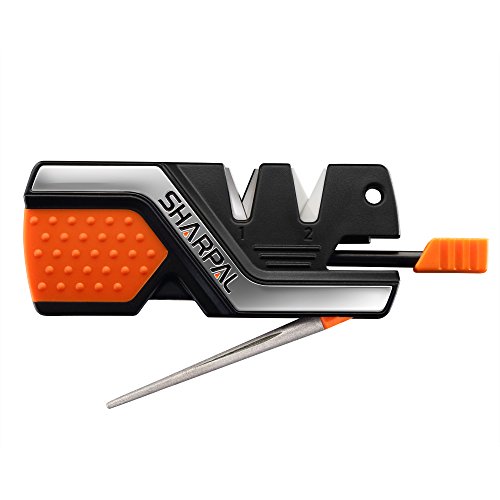
SHARPAL 101N 6-in-1 Pocket Knife Sharpener & Survival Tool – Diamond Sharpening Rod, Fire Starter Ferro Rod, Whistle – Sharpens Straight & Serrated Blades, Repairs & Hones Knives Best for most families
- Sharp edges reduce force and slip risk, improving safety under stress.
- Restores cutting performance on common stainless and carbon steel blades.
- Supports shelter building, food prep, and medical tasks when replacements are unavailable.
- Packable and field-serviceable; enables maintenance without external infrastructure.
 info@emerggear.com