Medical Mask
Why you need this: In wildfires, outbreaks, or dusty cleanup, an N95 respirator protects your lungs so you can stay healthy and care for your family.Medical Mask N95: Essential Protection, Everyday Uses, and Smart Buying Guide
A medical mask N95 is a tight-sealing respirator designed to filter airborne particles with high efficiency. Unlike loose-fitting face coverings, this type of mask creates a secure seal around the nose and mouth to help reduce exposure to dust, smoke, fine aerosols, and infectious droplets. In both emergencies and routine tasks, a medical mask N95 can be an indispensable layer of protection. Its primary value lies in filtration performance and a proper fit, which together help keep harmful particles out of your breathing zone.
Why does it matter? Air quality can deteriorate quickly due to wildfires, construction work, or unexpected accidents. Crowded environments may increase exposure to respiratory droplets and aerosols. A medical mask N95 offers reliable, standardized particle filtration without requiring specialized equipment. When kept on hand at home, in the car, or at the workplace, it becomes a practical tool that supports personal safety and preparedness.
In urgent situations—like evacuations through smoky areas or helping someone during a dusty cleanup—having a medical mask N95 ready can make a meaningful difference. It’s also useful for common tasks such as sanding materials, cleaning up after minor home repairs, or navigating busy public settings where airborne particles are a concern. As with any protective equipment, proper use, a secure seal, and adherence to safety guidelines are essential to get the benefits the mask is designed to provide.
How It Works
A medical mask N95 filters the air you breathe through multiple layers of specialized nonwoven material. These layers include fine fibers that trap particles mechanically and through electrostatic attraction. The well-known “95” rating indicates the mask is tested to filter at least 95% of specific-sized airborne particles under standardized conditions. While no respirator can guarantee 100% protection, an N95-level respirator provides robust filtration when it seals correctly around the face.
- High-efficiency filtration: Multiple layers capture a broad range of airborne particles, including dust, smoke, and droplets/aerosols.
- Secure seal: A nose clip and headbands (not ear loops) help create a tight fit that minimizes leaks around the edges.
- Electrostatic charge: The filter media uses electrostatic attraction to capture particles without overly restricting airflow.
- Standardized rating: The “N” class indicates the respirator is not resistant to oil-based particles; it is intended for non-oily environments.
- Comfort and breathability: Quality designs balance filtration with breathable airflow, so you can wear the mask for longer periods when needed.
Performance depends heavily on maintaining an adequate seal. Gaps caused by facial hair, improper sizing, or incorrect strap placement can significantly lower the mask’s effectiveness. This is why learning basic fit techniques and choosing the right size/shape are key to getting the benefits the medical mask N95 is designed to deliver.
When The Medical Mask N95 Helps Most
- Natural disasters: Wildfire smoke, dust storms, volcanic ash, or post-storm cleanup where airborne debris is common.
- Home accidents and projects: Sanding wood or drywall, cleaning moldy areas (with proper remediation steps), sweeping up fine dust, or handling materials that generate particles.
- Workplace and job sites: Construction, demolition, woodworking, or manufacturing tasks that release particles into the air (always follow workplace safety rules).
- Vehicles and evacuation: Driving through smoky, dusty, or polluted areas; keeping an emergency stash in a go-bag for sudden air quality changes.
- Outdoor activities and travel: Crowded public spaces, transit hubs, or events where you want extra protection from airborne droplets and fine particulates.
Strengths, Suitability & Limitations
Strengths
- High particle filtration efficiency with proper fit.
- Reliable design and standardized performance ratings.
- Useful for a wide variety of everyday and emergency scenarios.
- Generally portable, lightweight, and easy to stage in kits.
- No power source required; simple to use with minimal training.
What It’s Not For
- Not a substitute for proper respiratory protection against oil-based aerosols; “N” class is not oil resistant.
- Not intended for gases, vapors, or oxygen-deficient environments (e.g., smoke from chemical fires, confined spaces with low oxygen).
- Not a full-face shield; it does not protect the eyes from splashes or debris.
- Not ideal for children or individuals with very small faces unless specifically sized respirators are used.
Limitations and safety considerations
- A poor seal (due to facial hair, wrong size, or improper wearing) significantly reduces protection.
- Exhalation valves (if present) may make it easier to breathe out but are not suitable for source control when you need to protect others from your exhaled air.
- Prolonged use can cause discomfort; take breaks safely if possible and when conditions allow.
- Wet, damaged, or heavily soiled masks should be replaced as their effectiveness can drop.
- Follow recognized standards and safety guidance for occupational use; seek professional fit testing where required.
What to Look For When Buying a Medical Mask N95
Choosing a medical mask N95 carefully ensures you get the protection you expect. Look for clear labeling and quality construction, and prioritize fit and comfort. Beware of imitators that mimic markings or packaging without meeting the required standards.
- Verified certification: Check for recognized certification markings and approval numbers indicating standardized testing to N95 requirements. Avoid masks with vague or missing labeling.
- Fit and sizing: Different faces need different shapes and sizes (cup vs. fold-flat designs). A proper fit improves comfort and protection.
- Headbands over ear loops: Most authentic N95 respirators use two headbands for a tight seal; ear loops typically cannot achieve the same seal.
- Nose clip and seal: A sturdy, adjustable nose piece and soft foam at the nose bridge help prevent leaks and reduce fogging with eyewear.
- Breathability: Quality filter media balances protection and airflow so you can wear it longer without excessive fatigue.
- Build quality: Even stitching or welds, durable straps, and consistent materials indicate better reliability under real-world use.
- Fluid resistance (if needed): Some medical-use respirators include added splash resistance. Choose based on your intended environment.
- Packaging and documentation: Look for lot numbers, manufacturing dates, and clear instructions. Be cautious of misspellings, inconsistent fonts, or poor print quality.
- Avoid counterfeits: If markings are inconsistent or claims seem too good to be true, proceed with caution. Low-quality imitations may not filter as claimed.
Finally, consider how many you need for your home, vehicle, and workplace kits, and whether varying sizes or shapes would better fit different family members or team members.
Placement, Storage & Readiness
Strategic placement ensures a medical mask N95 is ready when you need it most. Think about where sudden air quality issues or crowded conditions might arise, and stage masks accordingly.
- Home: Keep a small supply in an emergency drawer or go-bag near exits. Consider areas where DIY projects or cleanup happens.
- Work: Store masks in a labeled, clean container at your desk or in a safety cabinet, following workplace policies.
- Vehicle: Place a few in your glove compartment or center console inside a protective pouch. Avoid prolonged exposure to extreme heat and direct sunlight.
- Travel kit: Include masks in carry-ons, day packs, or hiking kits for unexpected smoke, dust, or crowded environments.
- Protection from moisture: Keep masks dry in sealed pouches or clean bags; moisture can degrade filtration effectiveness.
- Inspection and rotation: Periodically check straps, nose clip integrity, and the mask body for damage. Rotate stock to ensure newer masks are used last.
- Labeling: If masks are intended for reuse in resource-limited scenarios, store each in a breathable container (such as a clean paper bag) labeled with the user’s name and date.
Avoid common mistakes: Do not crush masks at the bottom of a bag, do not store in dirty or oily environments, and do not keep using masks that are damaged, wet, or excessively soiled.
How to Use It Properly
- Clean your hands with soap and water or hand sanitizer before handling the mask.
- Inspect the mask for tears, damaged straps, or a loose nose clip. Discard if compromised.
- Position the mask in your hand with the nose clip at the top and the straps hanging freely.
- Place the mask on your face: Cover your nose and mouth, then pull the bottom strap over your head to rest below your ears and the top strap high on the crown. Do not cross the straps.
- Mold the nose clip carefully using both hands to conform to the bridge of your nose and cheeks for a tight seal.
- Perform a seal check: Inhale and exhale sharply. You should feel the mask collapse slightly on inhale and no air leaking around the edges on exhale. Adjust as needed.
- During use: Avoid touching the front of the mask. Replace the mask if it becomes wet, soiled, hard to breathe through, or damaged.
- Safe removal: Clean your hands, then remove the mask by the straps without touching the front. Discard if disposable. Clean your hands again after removal.
- Reuse caution: If reuse is unavoidable due to limited supply, store the mask in a clean, breathable container between uses and avoid sharing. Stop using if the fit degrades or the mask is compromised.
- Know the limits: Do not use an N-class respirator in environments with oil aerosols, toxic gases/vapors, or low oxygen. Seek specialized protection for those conditions.
These steps are for general education. For occupational settings, follow your organization’s safety protocols and fit-testing requirements. If you have underlying health conditions that make breathing difficult while wearing a respirator, consult a qualified professional before use.
Final Summary
A medical mask N95 is a proven, practical tool to help protect your lungs from airborne particles in both everyday tasks and emergency situations. Its effectiveness depends on two critical factors: a proper seal and authentic, quality construction. With the right fit, careful storage, and correct wearing technique, this respirator can dramatically reduce your exposure to smoke, dust, and respiratory droplets.
For preparedness, consider placing a few masks where life happens—at home, at work, and in your vehicle—so they’re available when air quality quickly changes or when crowded conditions arise. When buying, verify certification, prioritize fit and comfort, and watch for signs of counterfeits. A small investment in the right protective gear today can pay big dividends in safety, comfort, and peace of mind tomorrow.
Bottom line: Keep a medical mask N95 in your readiness plan, learn how to wear it correctly, and stay proactive about maintenance and replacement. Preparedness is protection you can control—one well-fitted respirator at a time.
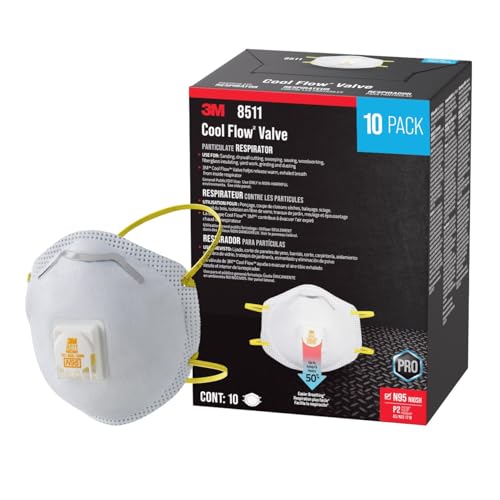
3M N95 Respirator 8511, Cool Flow Valve, 10 Pack, NIOSH-APPROVED, Advanced Filter Media For Easy Breathing, Comfortable For Long Periods Of Wear, Helps Filter Pollen, Mold Spores & Dust (8511PB1-A-PS) Best for most families
- Filters at least 95% of airborne particulates when properly fitted (NIOSH N95 standard).
- Medical/surgical N95s add tested fluid resistance against sprays and droplets.
- Reduces exposure to wildfire smoke, ash, demolition dust, and infectious aerosols.
- Recommended by CDC and EPA for reducing particulate exposure during wildfires and public health emergencies.
 info@emerggear.com