Military Backpack
Why you need this: During a disaster, a tactical backpack keeps your 72-hour essentials organized and protected, letting you move fast and keep your family safe.Military Back Bag: Rugged Everyday Carry and Emergency Readiness Guide
A military back bag is a tough, purpose-built backpack designed to carry essential gear in a balanced, organized, and durable way. Unlike casual daypacks, it prioritizes reliability under stress, load-bearing comfort, and modular organization. Whether you’re preparing for emergencies, commuting with tools, or heading outdoors, a well-chosen military back bag gives you hands-free mobility and a ready-to-deploy kit when seconds count. In everyday mishaps and larger crises alike, it can transform scattered supplies into a single, accessible system—helping you move faster, stay organized, and remain prepared.
In emergencies, the difference between having gear and using gear is access. A military back bag excels here through rugged materials, strategic compartments, and load distribution that keeps weight close to your spine for stability. In daily life, it doubles as a reliable carry solution for work, travel, and outdoor activities—offering comfort, durability, and smart organization you can depend on.
How It Works
A military back bag centers on three fundamentals: durability, load management, and modularity. The pack body typically uses abrasion-resistant fabric, reinforced stitching, and water-resistant coatings. Ergonomic shoulder straps, a sternum strap, and a padded hip belt transfer weight from your shoulders to your hips, improving comfort over distance. Many designs also feature MOLLE/PALS webbing that lets you attach compatible pouches, making the pack expandable and customizable for changing missions or daily needs.
- Load Distribution: Structured panels, framesheets, and contoured straps keep the center of gravity close to your back to reduce strain and improve balance.
- Modular Organization: Webbing grids and hook-and-loop panels accommodate pouches for first aid, tools, hydration, or electronics—so you can build a layout that fits your use case.
- Quick Access: Clamshell or panel-opening compartments, zippered pockets, and admin sleeves make it easy to find items fast without unpacking the entire bag.
- Weather Resistance: Water-resistant fabrics, coatings, and storm flaps help protect contents from rain, dust, and debris.
- Rugged Construction: High-denier nylon or polyester, reinforced stitching at stress points, and durable buckles/zippers resist wear and tear.
When the Military Back Bag Helps Most
- Natural disasters: Keep evacuation essentials—documents, first aid, water, and clothing—ready for hurricanes, wildfires, floods, or earthquakes.
- Home accidents and outages: Organize flashlights, batteries, power banks, basic medical supplies, and tools for quick fixes or temporary shelter-in-place needs.
- Workplace readiness: Carry protective gear, gloves, a compact toolkit, and personal necessities for long shifts, fieldwork, or industrial sites.
- Vehicle safety: Stage jumper cables, a tire repair kit, reflective gear, snacks, and emergency blankets for breakdowns or winter driving.
- Outdoor activities: Pack navigation tools, hydration, layers, and a compact shelter for hiking, camping, hunting, fishing, or overlanding.
- Travel and commuting: Protect laptops, chargers, and daily carry items with a tough, organized layout that handles crowded commutes or rough conditions.
- Community support roles: Volunteer responders and organizers can stage first-aid modules, communication tools, and logistics supplies for rapid deployment.
Strengths, Suitability & Limitations
Strengths
- Durability: Built to withstand abrasion, heavy loads, and frequent use.
- Comfort under load: Harness systems and hip belts reduce fatigue when carrying weight for longer periods.
- Modular customization: Attach or remove pouches to match changing missions, seasons, or environments.
- Organization and access: Purposeful compartments keep critical items within easy reach.
- Versatility: Works as an everyday carry bag, a go-bag, or a field pack for trips and emergencies.
What It’s Not For
- Ultra-light pursuits: If minimal weight is the top priority, ultralight hiking packs may be more suitable.
- Formal settings: Tactical styling can look out of place in boardrooms or dress-code environments.
- Overloading beyond capacity: It’s not a substitute for proper load planning or team logistics.
Limitations and safety considerations
- Weight creep: Modular space encourages overpacking; aim for a carry weight appropriate to your strength and distance.
- Heat exposure: Prolonged high temperatures in vehicles can damage batteries, adhesives, and medical items.
- Fit and ergonomics: A poor harness fit can cause shoulder or back strain—adjust before long carries.
- Waterproofing: “Water-resistant” is not “waterproof.” Use dry bags or liners for sensitive gear.
- Legal and safety rules: If you carry tools or specialized items, know local regulations and safe handling practices.
What to Look For When Buying a Military Back Bag
Before you buy, balance capacity, comfort, and durability with your specific mission—daily carry, weekend trips, or an emergency go-bag. A smart purchase focuses on the materials, build quality, and fit that match your real-world use.
- Material & denier: Look for abrasion-resistant nylon or polyester in appropriate weights (for example, midweight for EDC, heavier for field abuse). Fabric should feel dense, not flimsy.
- Stitching & reinforcement: Bar-tack or box-and-cross reinforcement at strap anchors and stress points; clean, even stitches; minimal loose threads.
- Zippers and hardware: Sturdy, smooth-running zippers with protective flaps; robust buckles and adjusters that don’t flex excessively under load.
- Harness & padding: Contoured shoulder straps, breathable back panel, height-adjustable sternum strap, and a padded hip belt for heavier loads.
- Frame support: A framesheet or lightweight stays improve structure when carrying tools, water, or dense items.
- MOLLE/PALS compatibility: Well-spaced, securely stitched webbing for modular pouches and accessories.
- Access style: Clamshell or panel-loading allows fast retrieval and easier packing than top-only access.
- Hydration options: Sleeve and routing for a hydration bladder; consider leak isolation to protect electronics.
- Capacity & sizing: Around 18–24L for daily carry, 24–32L for day trips or light overnights, 35–45L for full go-bag setups or multi-day outings—adjust to your body size and needs.
- Weight when empty: Heavier isn’t always better. Balance ruggedness with total carry weight, especially if you’ll walk long distances.
- Interior organization: Admin panels, zip pockets, and elastic loops reduce rummaging; a light-colored liner improves visibility.
- Water resistance: Coated fabrics and storm flaps help; add a rain cover or dry bag for critical contents.
- Quality assurance: Look for evidence of consistent manufacturing and testing claims. Be wary of vague “mil-spec” language without details.
- Avoid low-quality imitations: Signs include thin, crinkly fabric; weak seams; misaligned webbing; cheap buckles; and zippers that snag under mild tension.
Placement, Storage & Readiness
Where you store your military back bag matters. You want it accessible, safe from damage, and staged for rapid deployment.
- Home staging: Keep it near a main exit or bedroom closet—out of direct sunlight and away from damp areas.
- Vehicle carry: If you must store it in a vehicle, protect sensitive items from heat. Rotate batteries, meds, snacks, and water frequently.
- Worksite placement: Store where you can reach it quickly during breaks or shifts; ensure tools and PPE are secured.
- Inspection routine: Schedule monthly or seasonal checks: replace expired items, test zippers, tighten screws on tools, verify charger cables.
- Load discipline: Keep a contents list in a top pocket. After use, restock immediately so the bag is always mission-ready.
- Moisture control: Use desiccant packs for humid climates; air the bag out periodically to prevent odors and mildew.
- Labeling & identification: Add a discrete ID card, reflective tab, or patch to identify your bag quickly in low light.
How to Use It Properly
- Define the mission: Decide if this is your daily carry, a travel kit, or a dedicated emergency go-bag. Your purpose drives what you pack.
- Lay out essentials: Separate items into categories: medical, water/food, tools/repair, clothing, power/lighting, documents, communications.
- Pack heavy items close to your back: Place dense items mid-to-high and centered to reduce strain and sway.
- Use pouches for organization: Group related items in labeled pouches. Keep first aid and lighting near the top for quick access.
- Secure and compress: Tighten internal and external compression straps so the load doesn’t shift while moving.
- Dial in the fit: Adjust shoulder straps, set the hip belt so it carries a meaningful portion of the weight, and snug the sternum strap to stabilize.
- Proof your setup: Walk for 10–20 minutes, climb stairs, and practice quick retrieval of critical items. Adjust packing as needed.
- Mind the weight: As a general guideline, keep total load around 20–25% of body weight for casual use, less if you’re unaccustomed to carrying loads.
- Protect sensitive gear: Use dry bags for electronics and documents; isolate batteries and liquids from clothing or paper items.
- Maintain readiness: After each use, restock immediately, recharge power banks, and update your contents list.
Safety reminder: This guide is educational. Follow local laws and best practices for the tools and items you carry, and consult qualified professionals for medical or technical training.
Final Summary
A military back bag brings structure, durability, and speed to your preparedness plan. It turns scattered gear into a cohesive system you can comfortably carry through commutes, trips, and emergencies. By choosing quality materials, dialing in fit, and packing with intention, you’ll be ready for both everyday mishaps and major disruptions.
Build yours with purpose, maintain it with discipline, and keep it within reach. The right bag won’t just store your essentials—it will help you move confidently, act quickly, and protect what matters most when the unexpected happens.
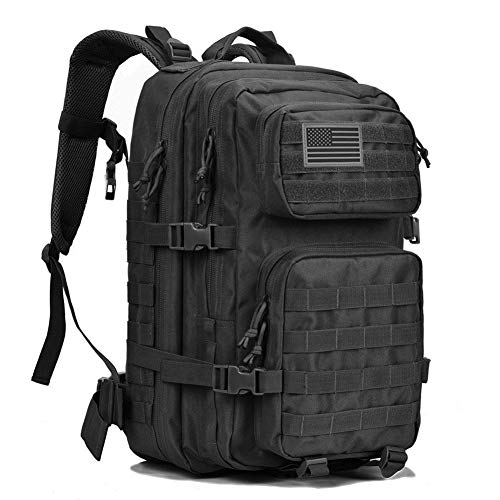
REEBOW GEAR Military Tactical Backpack Large Army 3 Day Assault Pack Molle Bag Backpacks Best for most families
- Abrasion-resistant fabric and reinforced stitching endure debris, snags, and repeated handling.
- Water-resistant materials and covered zippers help protect electronics, documents, and dressings.
- MOLLE webbing and segmented compartments enable fast, modular access to tools and first aid.
- Ergonomic straps and a hip belt stabilize loads, reducing fatigue during long evacuations.
 info@emerggear.com