Small Military Backpack
Why you need this: You need this emergency essential to stay calm, safe, and self-reliant, protecting your family until help arrives during disasters.Military Small Back Bag: Compact Tactical Readiness for Everyday and Emergencies
A military small back bag is a compact, rugged daypack inspired by field-proven military design. Built to be durable, organized, and quick to deploy, it helps you carry essential gear for daily life and unexpected events. Whether you call it a tactical daypack, an EDC (everyday carry) pack, or a mini go-bag, the idea is the same: keep critical items accessible, protected, and balanced on your back so your hands stay free and your movement stays efficient.
In emergencies or everyday accidents, minutes matter. A military small back bag makes it easy to stage first-aid supplies, a water bottle, a power bank, multitools, protective gloves, snacks, and documentation in one compact system. The structured compartments and durable materials safeguard contents from bumps, rain, and dust, while the ergonomic harness distributes weight comfortably. That means you can stabilize a minor injury at home, respond to a roadside incident, or evacuate quickly during a natural disaster without scrambling to find what you need.
Beyond emergencies, this pack shines in daily life. Commuters use it for tech and personal items, field technicians for tools and PPE, and outdoor enthusiasts for hydration, navigation, and layers. It’s small enough to carry all day yet tough enough to handle abuse—striking a balance between compact convenience and mission-ready reliability.
How It Works
A military small back bag organizes and protects your gear using a streamlined shell, internal compartments, and an ergonomic suspension. The exterior is typically made from abrasion-resistant fabric with water-resistant coatings. Inside, an arrangement of sleeves, pockets, and loops keeps tools and supplies neatly staged so you can grab what you need without digging.
- Rugged shell: Thick nylon or polyester fabrics with water resistance protect contents from weather and wear.
- Structured organization: Admin panels, mesh pockets, and sleeves separate first-aid, tools, electronics, and nutrition.
- MOLLE/PALS webbing: Modular attachment points allow pouches or accessories to be added or removed based on your mission.
- Compression and stability: Side straps cinch down the load to prevent shifting and improve balance when moving.
- Ergonomic harness: Contoured shoulder straps, a sternum strap, and optional waist support spread weight and reduce strain.
- Hydration integration: Many bags include a sleeve and port for a hydration bladder to maintain hands-free water access.
- Quick-access zones: Top or front pockets store items you might need immediately—gloves, headlamp, or a compact first-aid kit.
- Clamshell or panel loading: Wide openings let you see and reach everything quickly, which is crucial in urgent situations.
When The military small back bag Helps Most
- Natural disasters: Keep a compact evacuation kit ready for earthquakes, hurricanes, wildfires, floods, or winter storms.
- Home accidents: Treat minor cuts and burns, clean up broken glass, or find flashlight and batteries during power outages.
- Workplace readiness: Field repairs, basic PPE, notepad, markers, and hand sanitizer organized for fast access.
- Vehicle situations: Store jumper cables, a tire gauge, reflective triangle, and a compact first-aid kit for roadside incidents.
- Outdoor activities: Hiking, fishing, cycling, and day trips where you need hydration, snacks, navigation, and a light layer.
- Travel and commuting: Keep documents, electronics, chargers, and personal items secure and sorted without bulk.
- School and training: Pens, notebooks, safety glasses, and small tools neatly organized in lecture halls or workshops.
- Volunteer response: Carry gloves, masks, tape, and basic supplies when assisting in community events or cleanup efforts.
Strengths, Suitability & Limitations
Strengths
- Compact and agile: Easy to carry in crowded places or tight environments.
- Durable construction: Materials and stitching that withstand abrasion and frequent use.
- Excellent organization: Compartmentalized storage reduces search time under stress.
- Modular expandability: Add or remove pouches with MOLLE/PALS to tailor the pack to your needs.
- Hands-free readiness: Keeps vital items accessible while leaving both hands free for tasks.
- Versatile for EDC and emergencies: Suitable for daily carry, day hikes, and go-bag setups.
What It’s Not For
- Long expeditions: Multi-day trekking loads typically require a larger pack with a framed suspension.
- Heavy-duty hauling: Not intended for very heavy tools or bulky equipment over extended distances.
- Submersion: Water-resistant isn’t waterproof—electronics still need dry bags for severe conditions.
Limitations and safety considerations
- Overloading risks: Pack weight should remain manageable; overloading strains shoulders and back.
- Heat and moisture: Extended car-trunk storage can degrade batteries, adhesives, and certain medical supplies.
- Organization drift: After frequent use, items can get misplaced; regular inspections are essential.
- Local regulations: Ensure any tools or self-care items you carry comply with local laws and venue policies.
- Reflectivity and visibility: If you move near traffic at night, add reflective accents for safety.
What to Look For When Buying a military small back bag
Selecting the right military small back bag means balancing durability, size, and organization. Pay attention to materials, stitching, and ergonomics so the pack stays comfortable and trustworthy when it matters most.
- Capacity: 10–20 liters is ideal for daily carry and short outings; 20–25 liters if you need extra layers or a larger first-aid kit.
- Fabric quality: Dense nylon or polyester (with a water-resistant coating) resists abrasion and light rain.
- Stitching and hardware: Look for bar-tacked stress points, strong zipper tracks, and solid buckles and D-rings.
- Comfort features: Contoured, padded shoulder straps; breathable back panel; adjustable sternum strap; optional waist strap.
- Access style: Clamshell or panel-loading designs enable fast, full access—ideal for emergency response.
- Organization: Admin panel, mesh pockets, hydration sleeve, and elastic loops for tidy, predictable storage.
- MOLLE/PALS compatibility: True 1-inch webbing and proper spacing make add-on pouches stable and reliable.
- Compression and stability: Side straps or shock cord prevent load shift, increasing comfort and control.
- Interior visibility: A light-colored lining helps you spot small items in low light.
- Weather resistance: A water-resistant shell and covered zippers keep drizzle out; pack a rain cover for storms.
- Quality assurance: Favor robust construction over flashy extras. Extremely low prices can signal thin fabric or weak stitching.
- Ethical and safety considerations: Non-toxic materials, dependable hardware, and responsibly sourced components are a plus.
Beware of low-quality imitations. Some look the part but use inferior fabric, flimsy zippers, or improperly spaced webbing that won’t hold pouches securely. A bag that fails under stress can put you at risk—prioritize proven materials and solid build quality.
Placement, Storage & Readiness
Where and how you store your military small back bag determines how fast you can respond. Keep it accessible, organized, and protected from the elements.
- Home base: Place near your exit or in a hallway closet for quick grab-and-go during emergencies.
- Work setup: Under your desk or in a locker with a labeled pouch for first aid and PPE.
- Vehicle carry: Secure in the trunk or cargo area with straps to prevent sliding; avoid direct sunlight and extreme heat.
- Staging: Pre-pack essentials—hydration, snacks, first-aid, gloves, headlamp, power bank, charging cable, notepad, and pen.
- Inspection routine: Monthly check for expired items, drained batteries, worn straps, and missing components.
- Seasonal rotation: Swap cold-weather layers or sun protection based on climate and activities.
- Moisture control: Use desiccant packs to reduce humidity, especially if stored long-term.
- Labeling and lists: Keep a simple contents card in an outer pocket for quick reference and restocking.
Common mistakes to avoid: Overpacking, letting items expire, loose tools that scratch electronics, and storing batteries without protection. Keep weight sensible and contents secured in pouches or zip bags.
How to Use It Properly
- Define your mission: Decide if the bag is for daily carry, emergencies, or both. This determines what you pack and how you organize it.
- Lay out essentials: First-aid basics, water, snacks, gloves, flashlight, batteries, phone charger, multitool, notepad, and personal items.
- Organize by urgency: Put quick-grab items (first-aid kit, light, gloves) in top or front pockets; less urgent items go deeper.
- Balance the load: Place heavier items close to your spine and centered to prevent shoulder strain and swaying.
- Use pouches and loops: Secure small items in mesh pockets or elastic loops; attach add-on pouches via MOLLE/PALS only where needed.
- Adjust the harness: Fit shoulder straps so the bag sits high and close; tighten the sternum strap to stabilize; add a waist strap if carrying heavier loads.
- Set compression straps: Cinch down the sides to reduce bulk and keep contents from shifting when you move.
- Hydration readiness: If using a bladder, fill, route the tube, and test for leaks; otherwise, stage a sturdy water bottle.
- Test and refine: Take a short walk; note any hotspots or imbalance; adjust packing and straps until comfortable.
- Maintain and restock: After each use, replace consumables, recharge batteries, and inspect for wear so the bag stays mission-ready.
Safety reminders: Keep weight reasonable for your fitness level, use both shoulder straps, and follow local rules about tools and personal items. This guide is educational—seek professional training for medical response and specialized equipment.
Final Summary
A military small back bag delivers compact, organized, and durable carry for both day-to-day life and fast-moving emergencies. With the right materials, smart organization, and a well-fitted harness, it keeps vital gear accessible when seconds count. Choose quality construction, stage your essentials thoughtfully, and maintain a regular inspection routine. The payoff is simple yet powerful: confidence, capability, and readiness wherever you go.
Act now—build your kit, practice using it, and keep it close. Preparedness isn’t about fear; it’s about empowerment. A well-prepared military small back bag can turn chaos into clarity when you need it most.
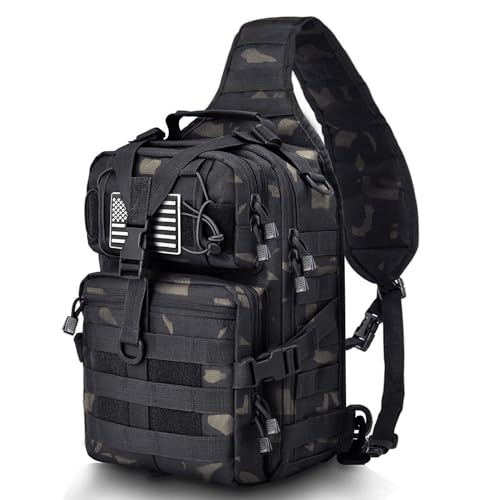
HAOMUK Tactical Sling Bag Pack Military Rover Shoulder Sling Backpack EDC Molle Assault Range Bag Best for most families
- Compact, stabilized carry preserves balance and mobility in crowded or unstable terrain.
- Abrasion- and water-resistant materials protect contents from rain, dust, and debris.
- MOLLE/PALS webbing supports IFAKs, tourniquets, radios, and flashlights for modular loadouts.
- Segmented organization speeds access to first aid, water, and tools under stress.
 info@emerggear.com