Mylar Blanket
Why you need this: Cold and rain can turn deadly fast; emergency blankets preserve body heat to keep you and your family safe until help arrives.Mylar Blanket: The Compact Emergency Essential That Protects Against Cold, Wind, and Rain
A mylar blanket, often called an emergency blanket or space blanket, is a thin, reflective sheet designed to help your body retain warmth and stay dry. Despite its tiny size and weight, this clever tool can make a life-saving difference during unexpected weather, injury, power outages, or roadside breakdowns. It’s one of the most affordable, packable, and effective preparedness items you can carry, whether you’re commuting, hiking, or building a home emergency kit.
Why it matters: when your body loses heat too quickly—through wind, wet clothing, or exposure—your risk of hypothermia spikes. A mylar blanket slows that loss by reflecting radiant heat back to your body and blocking wind and moisture. It can also serve as a makeshift shelter, rain cover, or high-visibility signal. In everyday accidents (sprained ankle on a cold trail, getting stranded in a car, shivering while waiting for help), a mylar blanket buys you safe, comfortable time until you can address the problem or assistance arrives.
How It Works
At its core, a mylar blanket is a thin sheet of aluminized polyethylene terephthalate (PET) film. The metallic coating reflects thermal radiation, while the plastic substrate resists wind and moisture. This combination reduces the three main ways you lose body heat.
- Radiant heat reflection: The reflective surface can bounce back a high percentage of the body’s infrared heat, reducing radiant heat loss.
- Wind barrier: The film is windproof, which significantly cuts convective cooling from moving air.
- Moisture barrier: It’s water-resistant, helping protect against evaporative cooling from wet clothes or skin.
- Light and compact: The material folds down to pocket size and weighs just a few ounces while still covering much of the body.
There’s a common misconception that you must place the “shiny side” in a particular direction. In practice, both sides reflect heat. Prioritize sealing out drafts and keeping dry; choose the side that best suits visibility (for example, shiny side out for signaling).
When the Mylar Blanket Helps Most
- Natural disasters: Earthquakes, hurricanes, floods, wildfires, and winter storms can force you out of your home or cut power. A mylar blanket helps you stay warm during evacuations, sheltering, or prolonged blackouts.
- Home accidents: After slips, trips, or shock from an injury, people often feel cold. Wrapping in a mylar blanket helps preserve warmth until you can rest, warm up safely, or seek care.
- Workplace incidents: Keep one in first-aid kits for building evacuations, power failures, or assisting a chilled coworker while waiting for responders.
- Vehicles and travel: Essential for roadside kits year-round. If you’re stranded, a mylar blanket can reduce heat loss, serve as an emergency sunshade, or signal for help.
- Outdoor activities: Backpacking, trail running, cycling, fishing, hunting, boating, climbing, and paddling all carry weather risk. When conditions turn, a mylar blanket can bridge the gap until you’re moving again or sheltered.
- Kids, seniors, and vulnerable individuals: People who chill easily or have difficulty regulating temperature benefit from a quick, portable layer of protection.
- Events and spectators: Long periods of inactivity at races, festivals, or stadiums can get chilly—especially with wind or rain.
Strengths, Suitability & Limitations
Strengths
- Heat retention and wind/water resistance in a compact, ultra-light package.
- Multi-use: emergency wrap, rain cover, groundsheet, tarp, shade, or signaling panel.
- High visibility: reflective surface aids in signaling and locating people or camps.
- Budget-friendly preparedness: easy to stock in multiples for home, car, work, and travel.
- Low maintenance: long shelf life and simple to store.
What It’s Not For
- Not a fire blanket or flameproof material. Do not use to extinguish kitchen or grease fires.
- Not a substitute for proper insulation: it slows heat loss but won’t create heat by itself like a sleeping bag with lofted insulation.
- Not a medical treatment: it helps reduce heat loss but is not a replacement for professional care if someone is injured, hypothermic, or ill.
- Not a toy or infant bedding: avoid unsupervised use due to suffocation risk.
Limitations and safety considerations
- Condensation buildup: because it’s a vapor barrier, moisture can accumulate inside. Ventilate as needed to stay dry and comfortable.
- Tear risk: thin film can puncture on sharp edges. Handle carefully and reinforce stress points if using as a tarp.
- Noise and comfort: mylar blankets crinkle; be mindful in situations where noise matters.
- Heat sources: keep clear of open flames, hot stoves, heaters, and other ignition sources.
- Electrical storms: in exposed areas during lightning, avoid using a metallized blanket as your outermost layer. Seek proper shelter.
- Breathing safety: never cover the face; ensure airways remain unobstructed at all times.
What to Look For When Buying a Mylar Blanket
Quality varies widely. The goal is a blanket that balances strength, size, and weight without inflating cost. Beware of products that are suspiciously cheap, poorly labeled, or lack basic specifications.
- Material thickness: Measured in microns (commonly ~12–26 µm). Thicker film is generally tougher and easier to reuse, while thinner film is lighter and more compact.
- Durability features: Look for reinforced edges, low “crinkle memory,” or rip-resistant construction if reusability matters.
- Size and coverage: Standard adult sizes often cover the torso to below the knees; consider extra-large options for taller individuals or to wrap over outerwear and a backpack.
- Color and visibility: Silver is highly reflective; some versions add a high-visibility color on one side to improve signaling and search visibility.
- Packaging: Compact, sealed packaging protects the film from abrasion and moisture. Vacuum-sealed or individually wrapped blankets are ideal for kits.
- Reusability rating: Many are marketed as single-use. If you plan to train with or frequently practice shelter-building, consider sturdier versions.
- Environmental and safety labeling: Choose products that state they are non-toxic and free of harmful coatings. Avoid any that claim to be “fireproof.”
- Intended use: Ultralight hikers may prioritize minimal weight; vehicle kits and home preparedness may favor heavier-duty options for multipurpose use.
- Quantity: It’s smart to stock multiple blankets—at least two per person in home and vehicle kits—so you can layer, share, or use one as a groundsheet while wrapping with another.
Placement, Storage & Readiness
Mylar blankets store best somewhere you can reach fast—in several places, not just one. Redundancy is key: an emergency rarely happens where your only blanket is.
- Home: First-aid kits, emergency bins, bedside drawers, and near exits.
- Vehicle: Glove box, door pocket, or trunk kit with other roadside essentials.
- Work and school: Desk drawer, locker, or bag for evacuations or shelter-in-place events.
- Outdoors: Backpack lid pocket, cycling saddle bag, PFD pocket for paddling, or trail running vest.
- Family readiness: Include extras for kids and seniors; label a personal kit for each household member.
Maintenance is minimal, but smart habits help:
- Inspect annually: Check packaging for punctures or moisture. Replace any blanket that’s damaged or corroded.
- Stage supporting items: A small roll of tape, a couple of safety pins or clips, and a length of cord make shelter setup easier.
- Avoid heat and sun exposure during storage: Extreme temperatures and UV light can degrade plastics over time. Store in a cool, dry place.
- Practice: Try unfolding and re-folding one blanket at home so you understand how to deploy it quickly under stress.
How to Use It Properly
- Get safe and call for help if needed. Move away from hazards (traffic, falling debris, cold wind). If someone is injured or showing signs of hypothermia, seek appropriate help.
- Reduce exposure. If clothing is soaked and it’s safe to change, swap for dry layers. Shield the person from wind and rain.
- Create insulation underneath. Sit or lie on a pack, foam pad, spare clothing, or a folded mylar blanket as a groundsheet. Preventing contact with cold ground matters as much as wrapping up.
- Unpack and unfold carefully. Keep the wrapper for reuse. Avoid sharp objects and rough surfaces that can puncture the film.
- Wrap for warmth. Drape the blanket around shoulders and torso, reflective side toward the body if feasible. Tuck edges to block drafts; secure with tape, pins, or a knot at the corners without constricting movement or blood flow.
- Ventilate appropriately. Do not cover the face. If condensation builds, open a small vent to release moisture while staying protected from wind and rain.
- Monitor comfort and safety. If the person becomes drowsy, confused, or shivering violently, prioritize professional care. The blanket helps retain heat but is not a medical treatment.
- Alternate uses as needed. As a tarp: fold edges over a cord to reinforce, then tie to stable anchors. As a sunshade: rig above head height with airflow below. As a signal: display the reflective side in the open to catch light.
- Keep away from flames and high heat sources. Do not use near camp stoves, heaters, candles, or cigarettes. Avoid contact with live electrical equipment.
Final Summary
A mylar blanket is small enough to forget, and powerful enough to matter when weather or circumstances turn against you. It reflects body heat, blocks wind and rain, doubles as a tarp or signal, and costs little to stock widely. For emergency kits at home, in vehicles, and on the go, keeping multiple mylar blankets on hand is a simple, high-impact step toward resilience.
Whether you’re a daily commuter, parent, outdoor enthusiast, or someone building a basic emergency plan, this compact tool delivers outsized value. Prepare today—place a mylar blanket in every kit you rely on, refresh them annually, and practice opening and using one before you truly need it. The best time to get ready is before the unexpected happens.
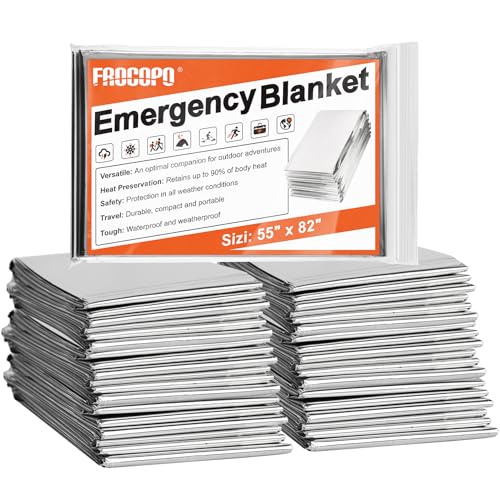
6 Pack Emergency Mylar Blanket, Emergency Blanket Space Blanket Survival Rescue Insulating Reflective foil kit Outdoors Hiking Camping Blanket Perfect for Outdoors, Hiking, Camping Survival Best for most families
- Reflects up to 90% of radiant body heat to reduce hypothermia risk.
- Windproof, waterproof barrier slows convective and evaporative heat loss.
- Highly reflective surface improves visibility for signaling and rescue.
- Lightweight and compact; stores sealed for years in kits, cars, and packs.
 info@emerggear.com