Mylar Poncho
Why you need this: An emergency rain poncho keeps you and loved ones dry and warm, preventing hypothermia during storms, evacuations, or long waits for rescue.Mylar Poncho: Lightweight Thermal Protection for Emergencies and Everyday
A Mylar poncho is a compact, hooded garment made from aluminized polyester film that reflects body heat and shields you from wind and rain. Often called a space blanket poncho or emergency thermal poncho, it folds down to pocket size yet delivers a surprising amount of protection when temperatures drop, rain starts, or you need a quick buffer against the elements. In urgent situations, that extra layer can buy valuable time while you warm up, get dry, or wait for help.
Because it is ultralight, packable, water-resistant, and windproof, a Mylar poncho is a smart addition to go-bags, car kits, travel backpacks, first aid kits, desk drawers, and hiking supplies. You can keep one almost anywhere for unexpected cold, sudden rain, or post-accident cooling. While it isn’t a substitute for proper insulated outerwear, it excels as a fast-deploy thermal barrier that helps reduce heat loss and exposure risk in emergencies and everyday mishaps alike.
In short, a Mylar poncho can help you stay warmer, stay drier, and stay visible—all with almost no weight or space penalty. That makes it a favorite for emergency preparedness, outdoor adventures, and anyone who wants a just-in-case layer with big impact and tiny footprint.
How It Works
A Mylar poncho works by combining heat reflection with wind and moisture protection. The aluminized film reflects much of your radiant body heat back toward you while the poncho shape traps warmer air around your core and head. Because the material is non-breathable, it also reduces evaporative cooling and blocks wind that would otherwise strip warmth away.
- Reflective barrier: The metallized surface can reflect a significant portion of radiant heat, helping stabilize body temperature when you’re chilled.
- Windproof shell: It limits convective heat loss by stopping drafts and breeze from penetrating your layers.
- Water-resistant cover: It sheds light rain and splashes, reducing evaporative cooling that rapidly saps warmth.
- Hooded design: Covering the head and neck—key heat-loss points—improves comfort and reduces overall heat loss.
- Air gap equals insulation: The trapped air between your clothing and the poncho acts as a modest insulating layer; sealing the sides helps.
- Multi-use utility: The shiny surface can aid signaling for visibility, while the material can double as a quick shelter panel or groundsheet if needed.
Note that a Mylar poncho does not generate heat and is not a true insulator by itself. It performs best when paired with at least a thin base layer and when you minimize wind exposure. In bright sun or warm conditions, ventilation matters; the same barrier that conserves heat can also trap it, so open the sides or loosen the hood if you start to overheat.
When The Mylar Poncho Helps Most
- Natural disasters: After a storm or earthquake, when power is out and you’re exposed to wind or rain, it serves as a quick warming and weather barrier while you move to safer shelter.
- Winter storms and blackouts: During home power outages, it helps conserve body heat and block drafts while you wait for power restoration.
- Home accidents: If someone is wet, shivering, or in shock after a household mishap, wrapping them quickly can help maintain warmth until help arrives.
- Workplace preparedness: Keep one at your desk, jobsite, or warehouse for shelter-in-place scenarios, unexpected evacuations, or exposure to cold loading docks.
- Vehicles: Essential for glove boxes and trunks—use it if you’re stranded in winter, changing a tire in rain, or waiting for roadside assistance in cold conditions.
- Outdoor activities: Hiking, backpacking, trail running, hunting, fishing, paddling, cycling, or festivals—whenever weather turns quickly or you stop moving and get chilled.
- Travel and commuting: Planes, trains, buses, rideshares—lightweight insurance for overly cold cabins or unexpected delays.
- Water exposure: After a surprise dunking or heavy downpour, the windproof shell helps you warm up faster once you change or wring out clothes.
- Signal and visibility: The reflective surface can be used to attract attention during search-and-rescue scenarios in open terrain.
Strengths, Suitability & Limitations
Strengths
- Ultralight and compact: Takes up almost no space in your kit, desk, or glove box.
- Fast deployment: Simple to open and put on, even when you’re cold or stressed.
- Wind and water resistance: Reduces convective and evaporative heat loss to keep you more comfortable.
- High visibility: Reflective exterior can aid signaling and low-light visibility.
- Budget-friendly redundancy: Easy to stash multiples across home, vehicle, and workplace.
- Multi-use versatility: Can double as a groundsheet, shelter panel, gear cover, or improvised reflector.
What It’s Not For
- Not a replacement for a true insulated jacket, rain shell, or sleeping system in sustained bad weather.
- Not flame-proof: Keep away from campfires, heaters, stoves, and other ignition sources.
- Not abrasion-proof: Sharp edges, thorns, and rough brush can puncture or tear it.
- Not specialized PPE: It won’t protect against chemical, electrical, or industrial hazards.
- Not a child’s toy: Avoid unsupervised use by children; never cover the face.
Limitations and safety considerations
- Condensation buildup: The non-breathable film traps moisture; vent when safe to reduce dampness.
- Overheating risk: In warmer weather or intense activity, loosen the hood and open the sides.
- Flammability: Keep a safe distance from open flames, hot exhausts, and sparks.
- Noise and visibility: The crinkly material is loud; the shiny surface may compromise stealth.
- Durability: Thin films can tear; consider thicker versions for reusability and handle gently.
- Lightning and storms: Do not rely on it for storm protection; seek proper shelter immediately.
What to Look For When Buying a Mylar Poncho
Not all emergency ponchos are the same. Prioritize quality and usability so the poncho performs when it matters most. Beware of ultra-cheap imitators that use extremely thin film or poor seams that fail on first use.
- Material thickness: Thicker films are more tear-resistant and reusable, while ultra-thin versions are lighter but more fragile.
- Seam construction: Heat-sealed or reinforced seams and a well-formed hood reduce failure points in wind and rain.
- Hood and neckline: Look for a hood with adequate depth and a secure opening or draw mechanism to reduce heat loss.
- Side closures: Snaps, ties, or hook-and-loop help seal drafts and improve warmth and mobility.
- Cut and coverage: A longer back hem protects legs and seat; wider cuts fit over backpacks and bulky layers.
- Reusability: If you plan to train with it or use it often, choose a more robust film that can be folded/packed repeatedly.
- Packability: Vacuum-sealed or compact packaging keeps it protected from dust, moisture, and accidental punctures.
- Reflectivity and color: Highly reflective exteriors aid signaling; low-glare options reduce visual flash if discretion matters.
- Edge finishing: Hemmed or reinforced edges resist tearing when snagged or flapping in wind.
- Odor and cleanliness: Quality film should be low-odor and clean off easily after use.
- Bundle value: Multi-packs make it easy to stage one in each essential location (home, car, work, backpack).
- Honest claims: Be wary of unrealistic temperature ratings. A Mylar poncho helps conserve heat; it does not create heat.
Placement, Storage & Readiness
Strategic placement ensures your Mylar poncho is within reach the moment you need it. Distribute multiples so you never have to choose between locations.
- Home: With first aid kits, near exits, in bedrooms, and in a central emergency container.
- Vehicle: Glove compartment, seat-back pocket, or trunk organizer, plus one per regular passenger.
- Work: Desk drawer, locker, or go-bag—especially if you commute in variable weather.
- Everyday carry: Daypack, diaper bag, camera bag, or cycling kit for sudden weather shifts.
- Outdoor kits: Hiking pack, tackle box, dry bag, or hunting vest alongside other essentials.
Storage tips: Keep sealed and protected from direct sun, sharp gear, and high heat. While the film doesn’t “expire” like perishable goods, adhesives and seals can degrade over many years, so plan to inspect and rotate.
- Inspect annually for punctures, seam issues, or packaging damage.
- Label with a date and replace if the package is compromised or film looks brittle.
- Stage small add-ons with it: a strip of tape for quick repairs, a safety pin or mini clip for side closure, and thin gloves for handling in cold.
- Avoid burying it deep in a pack; place it where you can grab it in seconds.
Common mistakes to avoid: Relying on a single poncho for multiple people, leaving it in extreme heat for months, opening it “just to test” and not repacking, or storing it next to sharp tools without a protective pouch.
How to Use It Properly
- Get to safer ground: Move out of wind and rain if possible—behind a wall, under an awning, or into a vehicle or tent vestibule.
- Open carefully: Tear open the package and gently unfold the film to avoid ripping corners or seams.
- Identify the hood: Locate the head opening; keep the face area clear at all times.
- Layer intelligently: Put the Mylar poncho over your base and mid-layers. Trapping an air gap improves warmth. If your outer shell is abrasive, wear the Mylar under it to protect from tears.
- Put it on: Slip the hood over your head and drape the poncho evenly, covering your core and upper legs.
- Seal the sides: Use built-in closures (or tape/clip) to reduce drafts, but leave some ventilation to manage condensation.
- Protect head and neck: Tighten the hood or wrap a scarf/hat underneath for better heat retention.
- Adjust reflectivity: For warmth, focus on trapping air and blocking wind; for signaling, expose the reflective surface where it is visible to rescuers.
- Stay fire-safe: Keep away from flames, heaters, stoves, and hot exhaust. The material can melt or ignite.
- Monitor comfort: If you overheat or get clammy, vent at the sides or open the hood slightly to release moisture.
- After use: If reusable, air-dry, inspect for damage, and fold neatly; patch small tears with tape. If single-use or badly damaged, dispose of it responsibly and replace.
Safety reminders: Never cover the face or obstruct breathing. In very cold conditions, protect extremities with gloves and hats, hydrate, and seek proper shelter as soon as possible.
Final Summary
A Mylar poncho is one of the highest-impact, lowest-cost items you can add to any preparedness setup. It reflects heat, blocks wind and rain, and deploys in seconds, all while weighing next to nothing. Whether you’re building a bug-out bag, upgrading a car kit, or rounding out a daypack, this simple tool can make tough moments safer and more manageable.
Action step: Place a Mylar poncho wherever you might need fast protection—home, vehicle, workplace, and pack—then review it during routine kit checks. With smart selection, good storage, and a quick practice run, you’ll be ready to put it to work when the weather turns or the unexpected happens.
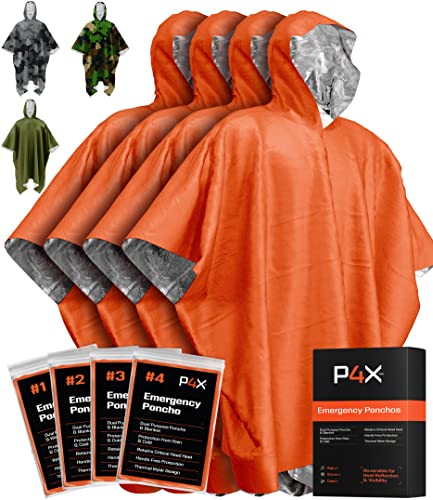
PREPARED4X Emergency Poncho and Mylar Blanket Liner - Waterproof, Wind-Resistant Outdoor Rain Poncho for Camping, Emergencies Best for most families
- Reflects up to 90% of radiant heat to conserve core temperature.
- Windproof, waterproof barrier reduces convective and evaporative heat loss in cold, wet conditions.
- Lightweight and compact; deploys fast and stores easily in packs, vehicles, and kits.
- Highly reflective exterior improves visibility and enables signaling to rescuers.
 info@emerggear.com