Paracord
Why you need this: When disaster strikes, paracord lets you secure shelter, fix gear, and improvise essentials, protecting your family and keeping you prepared.paracord: A Complete Guide for Emergency Preparedness and Everyday Use
paracord is a compact, flexible utility cord originally designed for parachute suspension lines. Today, it’s a staple in emergency kits, toolboxes, outdoor backpacks, and everyday carry because it packs a lot of strength and versatility into a small, affordable package. With a durable outer sheath and multiple internal strands, paracord can be used as-is for tie-downs and lashing or “gutted” to access finer inner fibers for delicate tasks like sewing and repairs.
Why does it matter? Because a few meters of paracord can solve dozens of small problems—from securing tarps to improvising repairs—when time and resources are limited. In emergencies, speed, reliability, and adaptability are crucial. Paracord checks those boxes without adding weight or bulk to your kit. In everyday life, it can stand in as a temporary fix for broken straps, a quick clothesline, or safe cable management at home or on the job.
Used wisely, paracord is a force multiplier for preparedness: it’s easy to stow, simple to use, and strong for its size. Just as important, understanding its limits—what it can and cannot safely do—keeps you protected while unlocking its full utility.
How It Works
paracord typically features a kernmantle construction: a woven outer sheath (mantle) protects multiple inner strands (kern). This design delivers a balance of strength, flexibility, and abrasion resistance. Many common versions use nylon or polyester fibers. Nylon provides excellent elasticity and knot holding, while polyester offers lower stretch and stronger UV resistance. Both materials resist rot and mildew when properly cared for.
- Core and sheath synergy: The inner strands carry most of the load, while the sheath guards against abrasion and helps the cord glide over surfaces and knots.
- Multi-strand versatility: The cord can be used whole for heavy-duty tasks, or the inner yarns can be removed for finer jobs like stitching, fishing leaders, or delicate lashings.
- Heat-fusible ends: Cut ends can be safely melted and pinched (with proper protection) to prevent fraying and make threading easier.
- Strength ratings: Different classifications exist for paracord, with common types rated for hundreds of pounds of static load. Always match the rating to the task and factor in a healthy safety margin.
- Stretch and shock: Nylon stretches slightly under load, which can absorb small shocks. Avoid using paracord for dynamic loads or life-safety scenarios.
When The paracord Helps Most
- Natural disasters: Secure tarps and temporary shelters, lash debris out of the way, create quick tie-downs for supplies, rig a makeshift clothesline for drying wet gear, or hang lanterns and tools where you need them.
- Home accidents and repairs: Replace a broken shoelace or backpack strap, bundle extension cords safely, tie back a door in a pinch, or support a temporary fix while waiting for proper hardware.
- Workplace and job sites: Bundle materials, tag and hang tools, stage cables for safety, or quickly create pull cords—while respecting site safety policies and weight limits.
- Vehicles and travel: Secure loose cargo, keep a trunk partially closed when hauling oversized items, hang a sunshade, or attach a quick marker/flag to increase visibility. Not for towing or any life-safety application.
- Camping, hiking, and outdoor activities: Guy lines, ridgelines, bear-bag hoists, DIY gear repairs, bootlace replacements, shelter building, and general lashing. Gut the core for fishing leaders or sewing thread if needed.
- Everyday carry: Key lanyards, zipper pulls, bracelets, and compact hanks for quick fixes when you’re away from your toolbox or garage.
Strengths, Suitability & Limitations
Strengths
- High strength-to-weight ratio: Strong for its size and incredibly packable.
- Versatile core: Inner strands can be repurposed for sewing, fishing leaders, and delicate bindings.
- Flexible and knot-friendly: Works well with common knots and hitches used for camping and tie-downs.
- Weather resistant: Nylon and polyester resist rot and mildew with basic care.
- Easy maintenance: Ends can be heat-sealed to avoid fraying; cord can be coiled or spooled neatly.
- Budget-friendly preparedness: A low-cost item that significantly expands what you can fix or secure on the fly.
What It’s Not For
- No life-safety applications: Not for climbing, rappelling, load-bearing on people, or overhead lifting.
- No towing or winching: Avoid dynamic loads, shock loads, or heavy mechanical strains.
- Not a substitute for rated hardware: Use proper straps, carabiners, and load-rated lines for critical tasks.
- Avoid high-heat zones: Melts near flames, hot exhausts, or sharp friction points.
Limitations and safety considerations
- Abrasion and UV wear: Sheath fuzzing, discoloration, or flattening signal aging; prolonged sun exposure can degrade strength over time.
- Moisture effects: Nylon can lose some strength when wet and may shrink as it dries; always re-check tension.
- Sharp edges and pinch points: Can cut or glaze the sheath; use edge protection or reroute the cord.
- Knot efficiency: Knots reduce overall cord strength; choose reliable knots and generous safety margins.
- Inspection matters: Retire damaged sections; do not rely on compromised cord for any critical use.
What to Look For When Buying a paracord
Not all paracord is created equal. A little knowledge helps you avoid low-quality imitations and get cordage that performs when it counts.
- Material: Nylon offers great elasticity and knot holding; polyester resists UV better and absorbs less water. Pick based on environment and preference.
- Construction: Look for a true kernmantle design with a durable sheath and multiple inner yarns. Common, reliable builds feature several inner strands; avoid cords with cotton fillers or loose, puffy cores.
- Consistent weave and diameter: The sheath should be tight and uniform with no lumps or thin spots. Inconsistent diameter is a red flag.
- Rated strength and type: Check the stated rating and choose a type that fits your needs. Use a wide safety margin and remember that knots reduce effective strength.
- Sheath quality: A smooth but robust sheath improves abrasion resistance and knot performance; too slick or too fuzzy can be problematic.
- Color and visibility: Bright or reflective options help with nighttime safety and tripping hazards; subdued colors are great for low-profile field use.
- Specialized cores: Some cords include additional utility strands (e.g., fine thread, jute-style tinder, or lightweight line). Helpful, but base your choice on actual needs.
- Compliance and labeling: Clear labeling and recognized standards inspire confidence. Be wary of vague or exaggerated claims.
- Imitation warnings: Ultra-cheap cords sometimes hide cotton or mystery fillers. Snip a small end to inspect inner strands (do this safely) and verify they are separate, consistent filaments.
Placement, Storage & Readiness
Strategic placement ensures paracord is there when you need it most. Think redundancy: a little in your daily kit, some in your car, and a larger supply at home.
- Everyday carry: Keep a compact hank or bracelet; add zipper pulls or a short lanyard for quick access.
- Go-bags and emergency kits: Include several pre-cut lengths and one larger hank; label the lengths for speed under stress.
- Vehicles: Store a neat hank in the glove compartment or trunk with basic tools; avoid contact with fuel or chemicals.
- Home and garage: Keep a spool on a pegboard and smaller hanks in the utility drawer. Consider high-visibility cord for safety.
- Work sites: Carry it in a tool roll or pouch, respecting all workplace safety rules and load limitations.
Maintenance tips: Coil loosely to prevent kinks, keep dry when possible, and avoid prolonged direct sunlight. If dirty, soak in cool water with mild soap, rinse thoroughly, and air-dry out of direct sun. Inspect regularly for fuzzing, discoloration, flat spots, hard spots, or chemical smells—retire compromised sections.
Common mistakes to avoid: Storing near heat sources, leaving it under tension for long periods, wrapping too tightly around sharp items, or relying on unknown cord for anything remotely critical.
How to Use It Properly
Here’s a simple, safe procedure for setting up a secure tie-down or guy line using paracord.
- Assess the task: Estimate the load. If it involves people, overhead lifting, towing, or dynamic loads, stop—paracord is not appropriate.
- Inspect your cord: Check for cuts, severe fuzzing, discoloration, or hard/flat spots. Use only sound sections.
- Measure, cut, and seal: Cut the needed length and carefully melt the ends to prevent fraying. Do this in a ventilated area and avoid touching molten material.
- Select solid anchor points: Choose smooth, rounded anchors. Add padding (a rag or folded tape) where the cord may rub to prevent abrasion.
- Tie reliable knots: Use a fixed loop like a bowline at one end, and an adjustable hitch (such as a taut-line hitch) to fine-tune tension at the other.
- Apply tension gradually: Snug the line, then test. Re-tension slightly if needed, avoiding sudden jerks or over-tightening.
- Stabilize and check: Add a backup half hitch if appropriate. Re-check after a few minutes as knots settle, especially if the cord was wet or new.
- After use: Untie, inspect, and coil loosely. Store in a dry, shaded place away from chemicals and heat.
Safety reminders: Wear eye protection when tensioning lines, keep fingers clear of pinch points, and never stand in the path of a taut line. Replace any section that shows damage.
Final Summary
Compact, strong, and endlessly adaptable, paracord is one of the most useful items you can add to your preparedness plan. It handles everyday fixes, supports emergency sheltering and tie-downs, and provides fine inner strands for delicate repairs—all while taking up minimal space and weight. Treat it as a versatile tool with clear boundaries: it’s for utility tasks, not life-safety or heavy mechanical loads.
For the greatest benefit, choose quality cord, keep it staged in multiple places, and practice a few reliable knots. With basic care and smart use, paracord delivers high-value capability in emergencies and everyday accidents alike—helping you stay organized, resilient, and ready.
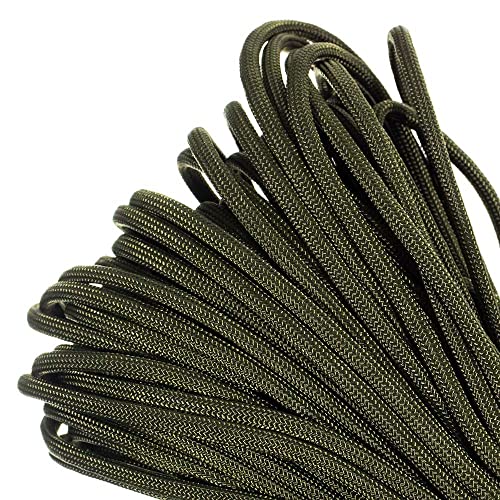
Paracord Planet Genuine Type III 550lb Paracord – Nylon Cord in Solid, Multi, and Reflective Colors – 25+ Colors and Length Options of 10', 25', 50', and 100' Best for most families
- Minimum 550 lb tensile strength secures shelters, haul lines, and heavy gear
- Multi-core kernmantle design; inner strands serve as sewing thread or fishing line
- Nylon resists rot and mildew; maintains flexibility in cold and wet conditions
- Low bulk and weight; packs easily into kits, belts, and vehicle bags
 info@emerggear.com