Portable Water Filter
Why you need this: When disasters contaminate water or shut off taps, a water filter keeps your family hydrated safely until help arrives.Personal Portable Water Filter: Safe Drinking Water Anywhere, Anytime
A personal portable water filter is a compact device that helps turn questionable freshwater into water that is safer to drink. In plain terms, it lets you sip, squeeze, or pour water through a filtration element that removes harmful microorganisms and sediment. For daily life and emergencies, a filter like this offers fast access to safer drinking water without relying on electricity, complex equipment, or bulky supplies.
Why it matters: disruptions to water service happen more often than most people realize. A burst pipe, a sudden power outage, an unplanned boil-water advisory, or a weekend adventure can all leave you searching for clean water. A personal portable water filter provides mobility, independence, and peace of mind, whether you’re dealing with an emergency or simply refilling a bottle from a stream during a hike.
In high-stress situations, the ability to hydrate quickly is critical. With the right filter, you can reduce bacterial and protozoan risks, improve taste and odor, and keep moving. It’s also an eco-friendly way to cut down on single-use bottles when safe water sources are present but not perfectly clean.
Important note: filtration is not the same as full purification. Many portable filters are designed to remove bacteria, protozoa, and sediment but may not reliably inactivate viruses or remove chemicals, heavy metals, and toxins. Depending on the water source, you may need additional treatment steps such as boiling or chemical disinfection. Always follow product instructions and local health guidance.
How It Works
Most personal portable water filters use one or more stages to reduce contaminants as water passes through the device. The goal is to create a physical and chemical barrier that traps or adsorbs the bad stuff while allowing clean water to flow through.
- Mechanical filtration (hollow fiber or microfiltration): Tiny pores, often around 0.1–0.2 microns, physically block bacteria and protozoa. This is the core of many portable filters.
- Activated carbon: A carbon stage can reduce tastes, odors, and some organic chemicals, improving palatability. It does not make water sterile.
- Ion exchange or specialty media: Some designs include media aimed at reducing certain dissolved substances; check validated claims and certifications.
- Prefilters and sediment screens: Coarser meshes catch silt and debris first, helping preserve the main filter’s lifespan and flow rate.
- Flow methods: You’ll commonly see straw-style (sip directly), squeeze (soft bottle pushes water through), gravity (hang a bag and let gravity do the work), or inline configurations (integrated with hydration hoses).
- Backflushing/cleaning: Reversing flow with clean water helps clear trapped particles and restore performance.
Remember: virus removal typically requires smaller pore sizes or additional disinfection. Likewise, filters are generally not designed to remove high levels of heavy metals, salts, or industrial chemicals without specialized media and validated testing.
When the Personal Portable Water Filter Helps Most
- Natural disasters: After hurricanes, floods, earthquakes, or wildfires, local water lines can be compromised, and a compact filter can bridge the gap until service is restored.
- Infrastructure hiccups: Water main breaks, boil-water advisories, temporary pressure drops, or power outages that affect treatment plants.
- Home accidents: Burst pipes, backflow incidents, or renovation work that stirs up sediment and makes tap water suspect.
- Workplace scenarios: Remote job sites, field work, or buildings experiencing maintenance shutoffs where potable water access is limited.
- Vehicles: Keep one in the glove box, emergency kit, boat, RV, or off-road rig for breakdowns, detours, or unexpected overnight stays.
- Outdoor activities: Hiking, backpacking, camping, fishing, hunting, paddling, trail running, or festival weekends where you may refill from natural or mixed sources.
- Travel and day-to-day: Refill confidently from fountains or non-standard sources when quality is uncertain and you want better taste and clarity.
Strengths, Suitability & Limitations
Strengths
- Portable and lightweight: Easy to carry in a pocket, daypack, or emergency kit.
- Fast access to safer water: No electricity required; many deliver water in seconds to minutes.
- Cost-effective over time: Reusable elements reduce the need for single-use bottles.
- Low learning curve: Simple designs can be used by beginners with minimal training.
- Flexible use: Works for daily convenience, travel, and emergencies alike.
What It’s Not For
- Seawater or brackish water: Portable filters are not desalination devices.
- Heavily contaminated industrial sites: Fuel spills, pesticides, solvents, and unknown chemicals require specialized treatment or avoidance.
- Known toxic algal blooms: Filters may not remove cyanotoxins; avoid such sources.
- Permanent replacement for whole-home treatment: Best viewed as a supplemental or mobile solution.
Limitations and safety considerations
- Virus protection varies: Many portable filters are not rated for viruses; consider additional disinfection when needed.
- Clogging and flow drop: Turbid water can reduce flow; use prefilters and allow sediment to settle.
- Temperature sensitivity: Freezing can damage hollow fiber elements; extreme heat can warp parts.
- Cross-contamination risk: Keep the “dirty” and “clean” sides strictly separate.
- End-of-life limits: Cartridges have finite capacity; monitor performance and replace on schedule.
What to Look For When Buying a personal portable water filter
Focus on proven performance, durable construction, and usability. Be cautious of too-good-to-be-true claims, suspicious certifications, or extremely low prices that may indicate poor-quality imitations.
- Proven testing: Look for independent lab verification to recognized protocols (for example, microbiological performance standards similar to NSF/ANSI P231 or EPA purifier guidelines). Seek clear, published test data.
- Filtration capability: Check what it’s specifically rated to reduce (bacteria, protozoa, viruses). Pore size and technology matter, but verified results matter more.
- Activated carbon stage: Helpful for taste, odor, and some organics; ensure capacity and replacement options are clear.
- Heavy metal/chemical claims: Only trust reductions backed by credible, third-party testing; many portable units are not designed for these contaminants.
- Flow rate and effort: A higher flow can be essential when serving multiple people or when you’re short on time.
- Capacity and lifespan: Know the rated liters/gallons before replacement; confirm availability of replacement elements.
- Weight and size: Consider your use case—EDC, backpacking, glove box, or household kit.
- Build quality and materials: Food-grade materials, strong threads, reliable seals, and protective caps reduce leaks and breakage.
- Ease of maintenance: Backflushing or cleaning accessories, clear instructions, and simple disassembly are big advantages.
- Versatility: Compatibility with bottles, hydration bladders, or gravity setups increases usefulness.
- Operating temperature range: Confirm suitability for your climate; avoid filters likely to freeze or deform during storage.
- Packaging and shelf life: Factory-sealed units store better in long-term kits; note any expiration.
- Transparent documentation: Manuals and data sheets should be easy to understand, with practical maintenance guidance.
Placement, Storage & Readiness
Good placement ensures your personal portable water filter is where you need it, when you need it. Keep one in your home emergency kit, and stage others for travel, work, and vehicles. The goal is redundancy without overcomplicating your setup.
- Home: Store a filter with your emergency supplies and one near the kitchen for advisories or short-term disruptions.
- Go-bag and daypack: Assign a dedicated pouch to prevent damage and keep “clean” and “dirty” components separate.
- Vehicle: Avoid temperature extremes when possible. If freezing is likely, bring the filter indoors overnight.
- Work and travel: A compact, sealed unit in a desk drawer or carry-on can be invaluable during unexpected outages.
- Inspection schedule: Quarterly checks for cracks, worn seals, or contaminated caps. Replace parts as needed.
- Drying and sanitation: After use, backflush, drain, and air-dry per instructions to reduce microbial growth.
- Labeling: Mark purchase date and expected service life; keep a note card with quick-use steps.
- Avoid contamination: Store away from fuels, solvents, and chemicals that could permeate plastics.
How to Use It Properly
- Inspect the filter: Check housing, caps, o-rings, and connections. If anything looks damaged, do not use it.
- Choose the best available source: Prefer clear, running water upstream from human or animal activity. Avoid water with visible sheen, strong chemical smells, or algal blooms.
- Pre-filter if needed: Let sediment settle, then pour through a clean cloth or dedicated prefilter to reduce turbidity and extend filter life.
- Set up the configuration: Attach to a bottle, hydration tube, or gravity bag as intended. Keep the “dirty” intake and “clean” output from touching.
- Filter the water: Sip, squeeze, pump, or let gravity flow. Maintain steady pressure for consistent results.
- Practice clean handling: Do not touch the clean outlet with unwashed hands. Use a clean container for filtered water and cap it immediately.
- Backflush/clean: After use, follow the device’s cleaning steps using clean water to restore flow and reduce buildup.
- Dry and store: Drain thoroughly, leave caps off to air-dry when possible, then store in a protective pouch. Keep out of freezing temperatures; if a wet filter has frozen, treat it as compromised.
- Add extra treatment when appropriate: If viruses or certain chemicals are a concern, use additional disinfection methods or boil water in accordance with public health guidance.
Final Summary
A personal portable water filter is a small tool with outsized impact. It delivers fast, practical protection against many waterborne risks, keeps you hydrated during outages, and adds resilience to your daily routine and emergency plans. While it is not a cure-all for every contaminant or situation, it’s an essential layer in a smart water strategy.
Prepare now: learn how your filter works, store it where you’ll actually use it, and practice safe handling. With a quality personal portable water filter staged in your home, bag, and vehicle, you’ll be ready to turn uncertain water into a safer resource—anywhere, anytime.
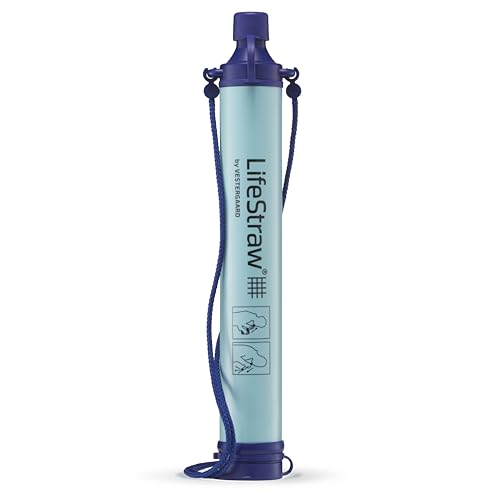
LifeStraw Personal Water Filter for Hiking, Camping, Travel, and Emergency Preparedness Best for most families
- 0.2-micron hollow-fiber filtration blocks bacteria, protozoa, and microplastics from compromised sources.
- Operates without electricity or fuel; dependable during grid failures, evacuations, and boil-water advisories.
- Lightweight and pocket-sized; packs easily in go-bags, vehicles, and emergency kits.
- Add chemical or UV disinfection for viruses, and avoid sources with industrial or fuel contamination.
 info@emerggear.com