Raincoat
Why you need this: Because when power and services fail, this survival essential provides reliable backup, keeping your family safe and calm until help arrives.Raincoat Guide: Stay Dry, Safe, and Ready in Any Weather
A raincoat is a waterproof or highly water-resistant outer layer designed to keep you dry in wet conditions. It shields you from rain, spray, and wind, helping you maintain body temperature and comfort when the weather turns. In practical terms, a reliable raincoat is more than a convenience—it’s a key piece of personal protection that supports safety, mobility, and preparedness whether you’re commuting, working, traveling, or dealing with unexpected emergencies.
Staying dry matters. Wet clothing pulls heat from the body, increases the risk of hypothermia, and makes everyday tasks harder. Water can also compromise your grip and visibility and damage essential items like phones or documents. A well-chosen raincoat helps you stay focused and effective by keeping your core dry and your layers working as intended. In emergencies—like storms, flooding, or roadside breakdowns—this simple garment can buy you time and clarity to solve problems safely.
In everyday accidents—think a burst pipe, a roof leak, or a sudden cloudburst during a school pickup—a raincoat keeps you comfortable while you manage the situation. Because it is compact and quick to deploy, the raincoat is a smart addition to your go-bag, vehicle kit, and daily carry. The right model can be lightweight enough to carry everywhere, yet durable enough to protect in serious weather.
How It Works
A raincoat combines materials and construction techniques to stop liquid water from entering while allowing water vapor (sweat) to escape. Most use a multi-layer approach: an outer fabric treated with a durable water repellent (DWR) to bead rain, a waterproof barrier (a microporous membrane or a polyurethane coating), and an inner layer or print to protect that barrier from abrasion and oils. Seam sealing, weather-resistant zippers, and smart patterning reduce leak paths at common failure points.
- Waterproof barrier: The core layer blocks liquid water under pressure. Performance is often expressed as a water column rating in millimeters (for example, 10,000–20,000 mm). Higher numbers typically resist heavier, sustained rain.
- DWR finish: The exterior fabric sheds droplets so the surface doesn’t “wet out.” When fabric is saturated, breathability drops and you feel clammy. DWR can be refreshed through proper cleaning and reproofing.
- Breathability: Moisture vapor transmission (MVTR) or resistance to evaporative transfer (RET) indicates how well sweat can escape. Higher MVTR or lower RET means better comfort during activity.
- Layer constructions: Two-layer (liner plus membrane) balances comfort and cost; 2.5-layer (printed or sprayed protective layer) is typically lightweight and packable; three-layer (membrane sandwiched between face fabric and inner fabric) excels in durability for demanding use.
- Seam sealing and closures: Taped or welded seams, storm flaps over zippers, adjustable hoods, cuffs, and hem drawcords help block wind-driven rain where it tries to sneak in.
- Ventilation: Features like underarm zips, mesh-lined pockets, and two-way front zips let you dump heat and humidity without fully opening the jacket to the elements.
When The raincoat Helps Most
- Natural disasters and severe weather: Hurricanes, tropical storms, monsoon downpours, wind-driven rain, sleet, or flood conditions where staying dry reduces exposure and helps you move safely to shelter.
- Home and property incidents: Roof leaks, burst pipes, clearing gutters or drains, inspecting a wet basement, or tarping a structure during a storm window.
- Workplace and job sites: Construction, roadwork, delivery and logistics, agriculture, fisheries, or any outdoor trade where visibility and dryness protect productivity and safety.
- Vehicles and roadside situations: Changing a tire in rain, jump-starting a battery, loading gear in a parking lot, or waiting for assistance during a downpour.
- Outdoor activities and travel: Hiking, camping, trail running, fishing, paddling on deck, birding, theme-park days, and sightseeing where weather can change without warning.
- Cycling and micromobility: Bike commutes and e-scooter trips benefit from a raincoat with a good hood, drop-tail coverage, and reflective details for visibility.
Strengths, Suitability & Limitations
Strengths
- Reliable weather protection: Shields from wind and rain to maintain warmth and comfort.
- Packable preparedness: Many options compress small to fit a backpack, glove box, or go-bag.
- Versatile layering: Works year-round over sweaters or insulated mid-layers without bulk.
- Durability options: From ultralight travel shells to robust work-ready designs.
- Safety support: Better grip, visibility (with reflective elements), and morale when conditions deteriorate.
What It’s Not For
- Submersion or swimming: A raincoat keeps rain out, not water under immersion. It’s not a flotation device.
- Specialized hazards: Not suitable for chemical exposure, arc flash, firefighting, or cut/abrasion protection unless specifically certified.
- Extreme cold by itself: Provides weatherproofing, not insulation—pair with warm layers.
- High-heat environments: Many synthetics can melt or deform near open flames, hot exhaust, or grinding sparks.
Limitations and safety considerations
- Wetting out reduces comfort: If the outer fabric saturates, you may feel clammy; restore DWR to maintain performance.
- Condensation happens: In heavy exertion or high humidity, sweat can outpace breathability. Use vents proactively.
- Fit matters: Too tight and movement suffers; too loose and drafts or water ingress increase.
- Visibility and noise: Dark colors are harder to see in storms; crinkly fabrics can reduce hearing awareness—stay alert near traffic.
- Care and maintenance: Improper washing, fabric softeners, or long-term compression can degrade performance.
What to Look For When Buying a raincoat
Selecting the right raincoat depends on your climate, activity level, and durability needs. Focus on material quality, construction, fit, and features that match how you’ll actually use it. A thoughtfully chosen raincoat often delivers years of reliable protection and better value than bargain options that fail early.
- Waterproof rating: Look for a water column rating suitable for your weather. Around 10,000 mm handles typical rain; 15,000–20,000 mm or higher is better for sustained downpours and wind-driven conditions.
- Breathability: Higher MVTR (g/m²/24h) or lower RET values mean less clamminess during activity. If you run hot or move fast, prioritize ventilation features and breathable construction.
- Construction type:
- 2-layer: Comfortable, often quieter fabrics; good all-rounders.
- 2.5-layer: Light, packable, budget-friendly for carry-everywhere use.
- 3-layer: Most durable for frequent wear, rough weather, and backpacks or harnesses.
- Seams and zippers: Seek fully taped or welded seams. Water-resistant zippers with interior or exterior storm flaps add redundancy against leaks.
- DWR and fabric face: Look for a durable face fabric (denier/ripstop) and a high-quality DWR finish. PFC-free options are increasingly common; plan to reproof periodically.
- Hood design: A brim, multi-point adjustment, and chin/neck coverage help seal out wind-driven rain while preserving peripheral vision and hearing.
- Cuffs, hem, and adjustments: Hook-and-loop cuffs, a drawcord hem with drop-tail coverage, and one-hand cord locks keep water from creeping in.
- Ventilation: Underarm zips, back yoke vents, mesh-lined pockets, or two-way zippers for fine-tuned airflow.
- Pockets and access: At least one secure chest pocket for essentials. If you carry a backpack or hip belt, choose pocket placement that remains usable.
- Fit and sizing: Allow room for layering without excess bulk. Articulated sleeves and a longer back hem enhance mobility and coverage.
- Weight and packability: Ultralight options are ideal for travel and daily carry; burlier fabrics suit frequent, rugged use.
- Visibility and safety: Reflective details and high-visibility colors improve safety near traffic or work zones.
- Care and longevity: Check washing instructions, availability of repair kits, and whether components (like cord locks) are easy to service.
- Standards for professional use: If required for work, verify compliance with relevant regional visibility and rain protection standards.
- Beware of low-quality imitations: Red flags include thin, noisy fabric that creases into permanent lines, seams without tape, zippers that snag easily, chemical odors that don’t wash out, and exaggerated performance claims without test data.
Placement, Storage & Readiness
Having a raincoat is only helpful if you can reach it quickly. Think about your daily routes and emergency plans, then stage the raincoat where it serves you best. Proper care keeps it performing when you need it most.
- Home: Keep one by the front door or in a grab-and-go bin with your umbrella, gloves, and flashlight. Include another in your household emergency kit.
- Vehicle: Store a compact raincoat with your roadside kit. Avoid leaving it crumpled under heavy items—use a mesh sack so it can breathe.
- Work or school: Stash a backup in your locker or desk drawer for unplanned storms.
- On the move: Add a packable raincoat to your backpack, briefcase, or travel luggage. For outdoor sports, keep one in your gear bag or bike pannier.
- Dry thoroughly: After use, hang to air-dry fully before storage to prevent mildew and odor.
- Avoid long-term compression: Short-term stuffing is fine; for long storage, hang or fold loosely to protect coatings and seam tape.
- Keep cool and shaded: Prolonged heat and direct sunlight can degrade fabrics and adhesive.
- Regular inspections: Each season, check seam tape for lifting, ensure zippers run smoothly, and test the DWR by sprinkling water—droplets should bead and roll off.
- Cleaning and reproofing: Use detergent approved for technical outerwear, skip fabric softener, rinse thoroughly, and reactivate DWR with low heat per care label. Apply a spray-on or wash-in water repellent if beading is weak.
- Post-salt or muddy use: Rinse with fresh water promptly to protect fabrics and zippers from corrosion or abrasion.
How to Use It Properly
- Check conditions: Glance at the forecast and choose a raincoat weight that matches temperature and expected rainfall.
- Inspect quickly: Look for obvious tears, lifted seam tape, or stuck zippers before you head out.
- Layer smart: Wear a moisture-wicking base layer; add insulation if it’s cold. The raincoat is your weatherproof shell, not your heater.
- Zip and seal: Close the front zipper fully, secure any storm flap, and fasten cuffs to prevent water creeping up sleeves.
- Adjust the hood: Tighten side and rear cords so the hood turns with your head. Use the brim to keep rain off your face without blocking vision.
- Cinch the hem: Snug the drawcord to stop drafts and drips, especially when cycling or in strong wind.
- Vent as you move: Open underarm zips or crack the front zipper slightly to manage heat and humidity without soaking your inner layers.
- Stay visible and safe: In traffic or work zones, use reflective elements or a light. Keep clear of hot surfaces, open flames, and sharp edges that can melt or tear fabric.
- After the rain: Shake off water, hang to dry, and wipe away mud or salt. Reactivate or reapply DWR if the fabric is starting to wet out.
- Store ready: Once dry, place the raincoat where you can reach it next time—by the door, in your bag, or with your roadside kit.
Final Summary
A dependable raincoat is a small investment with outsized impact on comfort, safety, and readiness. It keeps you dry when plans change, protects crucial layers underneath, and helps you stay productive and calm in storms or everyday mishaps. Select the features that fit your climate and activities, care for the garment so it lasts, and stage it where you can reach it fast.
Preparedness is practicality in action. With the right raincoat in your home, vehicle, and bag, you’re positioned to handle surprise downpours, work efficiently in bad weather, and look out for yourself and others when conditions deteriorate. Choose well, maintain it, and keep it close—because staying dry makes everything else easier.
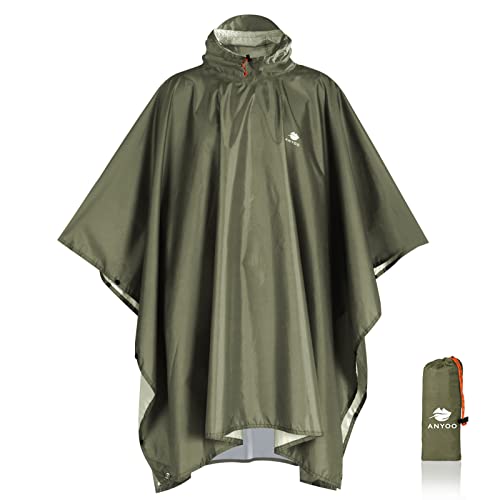
ANYOO Hooded Rain Poncho for Adults Waterproof Lightweight Rain Coat for Men Women Reusable Rain Jacket for Emergency Outdoor Best for most families
- Waterproof shell and sealed seams reduce hypothermia in wet, windy conditions.
- Adjustable hood, cuffs, and hem limit water entry in driving rain.
- Breathable fabric or vents limit sweat buildup, reducing post-exertion chill.
- High-visibility color and reflective trim improve search-and-rescue detection.
 info@emerggear.com