Survival Medicine Handbook
Why you need this: Because emergencies are unpredictable, this emergency gear helps you protect loved ones and stay self-reliant until help and essential services return.Survival Medicine Handbook: Your Practical Guide to Emergency Care and Everyday First Aid
A Survival Medicine Handbook is a plain-language medical reference designed to help everyday people manage injuries, illnesses, and emergencies when professional care is delayed or unavailable. It distills critical first-aid practices, assessment steps, and decision-making cues into an easy-to-follow format so you can act confidently under pressure. In situations where minutes matter and help is far away—whether due to storms, travel, power outages, or remote locations—this kind of handbook can be the difference between panic and purposeful action.
Why does it matter? Because emergencies do not wait for perfect conditions. A kitchen burn, a playground sprain, a sudden allergic reaction, or a car breakdown can happen any day. During larger disruptions—such as hurricanes, floods, wildfires, or winter storms—ambulances may be delayed and clinics overwhelmed. A well-crafted Survival Medicine Handbook helps you recognize urgent warning signs, take the right first steps, and support the injured until professional help arrives.
The value lies in how it translates clinical thinking into doable steps. Instead of dense jargon, you’ll find symptom-based indexes, triage checklists, and clear instructions that reduce decision fatigue. This format supports good judgment and safer choices, guiding you through scene safety, initial assessment, bleeding control, wound care basics, splinting fundamentals, and common medical concerns—always paired with strong reminders about when to call for emergency services.
The handbook also helps in everyday life. It can be your go-to resource for minor cuts, stings, nosebleeds, or strains, and it provides practical advice for typical home and workplace incidents. When you’re off-grid—camping, traveling, or managing a remote property—it offers evidence-informed guidance for hydration, heat and cold illness, altitude concerns, and more.
Most importantly, a Survival Medicine Handbook is not a replacement for professional medical care. It is a training aid and a field reference that helps you act responsibly, communicate clearly with responders, and support care until experts can take over.
For families, travelers, outdoor enthusiasts, and small businesses, it’s a cost-effective preparedness tool that pairs well with first-aid training and a properly stocked kit. A few hours spent becoming familiar with the layout now can pay off when you need calm, step-by-step guidance later.
How It Works
The core idea behind a Survival Medicine Handbook is structure. It organizes critical information into quick-reference sections that are fast to find and easy to follow under stress. Most handbooks are written for non-experts and emphasize safety, early recognition of severe problems, and practical steps you can perform with common supplies.
- Quick navigation: Symptom-based indexes, color-coded sections, or tabs that guide you to the right page fast.
- Step-by-step checklists: Clear sequences for assessment, bleeding control, wound cleaning, splinting basics, and environmental injuries.
- Decision aids: Simple flowcharts that emphasize when to call emergency services immediately and when home care may be reasonable.
- Plain language: Minimal jargon and plenty of definitions so you can apply instructions without specialized training.
- Visuals: Illustrations, diagrams, and photos to reinforce correct technique and safe positioning.
- Context cues: Tips tailored to home, vehicle, outdoor, and workplace scenarios.
- Readiness guidance: Supply checklists, storage suggestions, and maintenance reminders for your first-aid kit.
- Safety emphasis: Clear red flags and contraindications that help you avoid risky actions.
By combining clarity, brevity, and safety reminders, the handbook helps you follow a logical approach: ensure safety, assess the person, manage immediate threats to life, and then address specific problems according to proven first-aid principles.
When The Survival Medicine Handbook Helps Most
- Natural disasters: Earthquakes, hurricanes, wildfires, floods, and winter storms can delay responders and close clinics. Use the handbook to handle lacerations, smoke exposure, hypothermia risks, or minor fractures until help is available.
- Home accidents: Kitchen burns, cuts from tools, slips in bathrooms, medication mix-ups, and allergic reactions. The book’s step-by-step guidance reduces anxiety and helps you take the right actions first.
- Workplace situations: Minor industrial injuries, eye irritation, strains, or chemical splashes (alongside safety data sheets). Keep a copy near first-aid supplies to guide initial care while professional support is contacted.
- Vehicles and travel: Road trip mishaps, breakdowns in remote areas, dehydration, heat illness, or motion sickness. The handbook supports scene safety, injury assessment, and time-critical decisions while awaiting assistance.
- Outdoor activities: Hiking, camping, hunting, boating, or climbing. Use it for blisters, sprains, bites and stings, water safety, sun exposure, altitude issues, and basic wilderness first-aid measures.
Strengths, Suitability & Limitations
Strengths
- Easy to use under stress: Checklists and symptom indexes simplify decision-making.
- Versatile: Useful at home, in vehicles, at work, and outdoors.
- Preparedness-focused: Integrates with first-aid kits and emergency plans.
- Educational: Reinforces training and helps you retain key first-aid principles.
- Communication aid: Helps you relay accurate information to emergency services and medical staff.
What It’s Not For
- It is not a substitute for professional diagnosis or treatment.
- It does not authorize advanced procedures beyond your training.
- It should not be used to delay calling emergency services when red flags are present (for example, severe chest pain, difficulty breathing, heavy bleeding, signs of stroke, severe burns, or altered mental status).
Limitations and safety considerations
- Scope: A handbook can guide first aid and initial care, but definitive treatment may require clinicians and specialized equipment.
- Updates: Medical recommendations evolve. Ensure your handbook reflects current first-aid standards.
- Training matters: Written instructions are best paired with hands-on practice. Consider formal first-aid and CPR courses.
- Environment: Extreme conditions may limit what you can safely do. Your safety comes first.
- Legal and ethical boundaries: Follow local laws and your organization’s policies when providing care.
What to Look For When Buying a Survival Medicine Handbook
Choosing the right handbook is about matching content quality to your needs. Look for features that improve usability, accuracy, and durability so the book performs when conditions are less than ideal.
- Author credibility: Content created or reviewed by experienced medical professionals and seasoned responders.
- Current guidance: Recently updated material that aligns with recognized first-aid and resuscitation standards.
- Clear organization: A symptom-based index, logical chapter flow, and page markers that help you find answers fast.
- Plain language: Simple instructions, defined terms, and prominent safety warnings.
- Decision thresholds: Clear “call now” indicators and red-flag lists for time-critical conditions.
- Comprehensive scope: Coverage of trauma, medical issues (like diabetic emergencies or allergic reactions), environmental injuries (heat, cold, altitude), pediatrics and older adults, plus common home and workplace problems.
- Step-by-step visuals: Illustrations and diagrams for splinting basics, wound cleaning, recovery positions, and other foundational skills.
- Durability: Sturdy, lay-flat binding and paper that tolerates frequent handling; water-resistant pages or a protective cover are a plus.
- Portability: Compact enough for a go-bag or glove compartment without sacrificing readability.
- Checklists and logs: Built-in supply lists, patient note templates, and quick-reference charts for vital signs and normal ranges.
- Accessibility: Large, readable fonts and high-contrast layouts to reduce errors in low light.
Beware of low-quality imitations. Red flags include unclear authorship, poor translations, outdated recommendations, excessive jargon, or missing safety warnings. A reliable Survival Medicine Handbook will emphasize when not to act and when to seek immediate help, not just how to perform tasks.
Placement, Storage & Readiness
To ensure the handbook is useful when you need it, treat it like any other piece of safety equipment: staged, protected, and familiar.
- Keep it with your kit: Store a copy next to your primary first-aid supplies at home, and another in your vehicle or go-bag.
- Protect from the elements: Use a waterproof pouch or case, especially for outdoor use or in boats and cabins.
- Pre-tab key pages: Mark chapters on life-threatening bleeding, choking, allergic reactions, burns, and environmental injuries for rapid access.
- Add local info: Insert emergency numbers, nearby urgent care addresses, and any relevant workplace or campsite maps.
- Routine review: Schedule short refresh sessions. Ten minutes a month flipping through key sections improves recall under stress.
- Inspection cycle: Once or twice per year, verify that guidance still aligns with current first-aid standards and update if needed.
- Family and team buy-in: Encourage household members or coworkers to browse the book so they know where to find answers.
- Avoid common mistakes: Don’t bury the handbook at the bottom of a bin; keep it visible and easy to grab. Don’t write personal medical information directly on pages—use removable cards or inserts.
How to Use It Properly
- Ensure safety first: Check the scene for hazards (traffic, fire, electricity, unstable surfaces). Protect yourself and the injured person.
- Call for help when needed: If there are red flags—severe bleeding, chest pain, breathing difficulty, signs of stroke, major burns, or altered mental status—activate emergency services immediately.
- Open to the quick-start section: Most handbooks begin with an initial assessment. Follow the steps calmly, out loud if it helps.
- Use the symptom index: If you’re unsure which chapter applies, look up the main complaint (for example, “burn,” “allergic reaction,” or “sprain”).
- Follow the checklist: Apply the book’s step-by-step guidance for scene safety, initial assessment, and the specific issue at hand. Only perform techniques within your training and comfort level.
- Monitor and document: Note times, symptoms, and any care provided. This helps clinicians and reduces errors.
- Reassess frequently: Conditions can change. If new red flags appear, stop and seek higher-level care immediately.
- Prepare for handoff: When help arrives, summarize what happened, what you observed, and what you did.
- Aftercare and cleanup: Sanitize surfaces, restock supplies you used, and mark relevant pages for review.
- Reflect and learn: Briefly review what went well and what to improve next time. Practice builds confidence.
Important: The handbook is for educational guidance. It should be paired with proper first-aid and CPR training, and it should never delay calling emergency services when the situation is serious.
Final Summary
A Survival Medicine Handbook is a simple, powerful tool that turns uncertainty into action. By presenting practical steps in clear language, it helps you protect your family, coworkers, and yourself when a medical problem appears and minutes count. From everyday mishaps to large-scale disruptions, it supports better decisions, safer care, and faster recovery.
Choose a well-organized, up-to-date handbook, stage it where you can reach it fast, and spend a little time learning its layout before you need it. Combined with a stocked first-aid kit and basic training, it becomes a cornerstone of preparedness—one that pays off the first time you face an emergency calmly and confidently.
Act now: add a reliable Survival Medicine Handbook to your home, vehicle, and go-bag. It’s a small step that can make a big difference when it matters most.
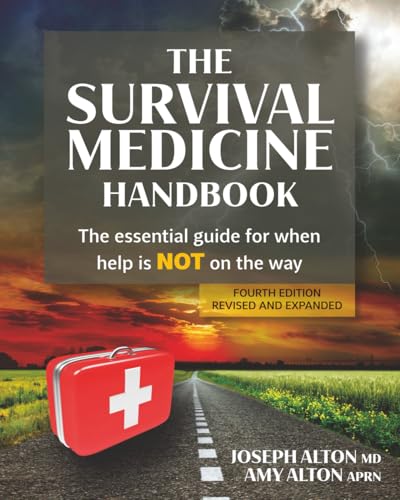
The Survival Medicine Handbook: The Essential Guide for When Help is NOT on the Way Best for most families
- Written for lay responders managing care when EMS is delayed or unreachable.
- Step-by-step assessments and care priorities reduce errors under stress.
- Practical guidance for limited supplies and off-grid conditions.
- Highlights red-flag signs and when to evacuate to higher care.
 info@emerggear.com