Swiss Army Knife
Why you need this: In emergencies, a dependable multi-tool helps you solve unexpected problems fast, keeping your gear working and your family safe.Swiss Army Knife: The Compact Multi-Tool for Everyday Carry and Emergency Preparedness
A Swiss Army knife is a compact multi-tool that combines a folding blade with practical implements like screwdrivers, scissors, openers, and small maintenance tools. It matters because it places versatility, self-reliance, and rapid problem-solving in the palm of your hand. Whether you face a minor household snag or an unexpected emergency, this lightweight tool reduces stress and saves time by turning a dozen tasks into a simple reach into your pocket.
In everyday life, a Swiss Army knife can cut packaging, tighten a loose screw, trim a thread, or open a can in a pinch. In emergencies, it can help with field repairs, basic first-aid support tasks like cutting bandage tape, and simple survival chores such as carving tinder or notching stakes. Its greatest value is that it is small enough to carry everywhere, making it consistently available when you need it most.
For preparedness-minded people, a Swiss Army knife bridges the gap between full-size tools and bare hands. It is cost-effective, low-maintenance, and suitable for users who want a reliable, discreet option for daily carry. While it is not a replacement for dedicated equipment, it can be the difference between waiting for help and solving a problem immediately.
How It Works
A Swiss Army knife uses a compact, layered construction. Multiple tools pivot from a central set of rivets, with flat springs (backsprings) keeping each tool closed and providing tension during use. Most models employ a slip-joint mechanism: the spring creates resistance to keep the tool open, though it does not lock like a dedicated locking blade. Some variants include safety features such as half-stops or tool-specific locks, depending on design.
The outer “scales” (handles) cover the layered tool stack and can include embedded accessories such as a toothpick, tweezers, or a small pin. Nail nicks on the tools allow you to pull each implement open safely. Quality examples have smooth edges, aligned tools, and clean “walk and talk” (the feel and sound of tools opening and closing) that indicate good fit and finish.
- Backsprings provide tension: They keep tools shut in your pocket and resist closing when the tool is in use.
- Layered pivots: Multiple stacks allow more tools without adding too much bulk.
- Nail nicks: Small cutouts in the tool for safe, controlled opening.
- Scales and liners: Provide structure, grip, and often house small accessories.
- Slip-joint action: Common and legal in many areas, but verify local regulations on blade length and locks.
When The Swiss Army Knife Helps Most
- Natural disasters: Cut cordage for tarps, open emergency food, repair gear, prepare tinder, and manage small tasks during power outages.
- Home accidents: Remove splinters with tweezers, cut tape and bandages, snip a snagged thread, or tighten loose hardware quickly.
- Workplace situations: Open packages, strip light wire, adjust fasteners, and perform quick tool-free fixes without leaving your desk or station.
- Vehicles: Keep one in the glove compartment for trimming hose clamps, opening fuse boxes, cutting zip ties, or assisting with small roadside fixes.
- Outdoor activities: Camping, hiking, and fishing chores like carving tent stakes, prepping kindling, opening cans, removing hooks, or making field repairs.
- Travel and day trips (where legal): Picnics, family outings, and hotel stays benefit from a compact tool for opening packages, snipping tags, and light maintenance.
- Everyday carry (EDC): A dependable, always-on-hand solution for routine tasks that would otherwise require a toolbox.
Strengths, Suitability & Limitations
Strengths
- Versatility: One compact tool covers dozens of light-duty tasks.
- Portability: Pocket-friendly size encourages daily carry and immediate access.
- Value: Replaces multiple single-purpose tools for less cost and weight.
- Low maintenance: Occasional cleaning and light oiling keep it working for years.
- Quiet preparedness: Discreet and non-intimidating compared to larger tools.
What It’s Not For
- Heavy-duty prying or hammering: Can bend tools or damage pivots.
- High-torque fastening: Small drivers can cam out or strip screws under excessive force.
- Electrical work: Not insulated; avoid live circuits.
- Specialized rescue operations: It complements but does not replace dedicated rescue equipment.
Limitations and safety considerations
- Non-locking blades: Many models rely on spring tension; always cut away from your body and hands.
- Legal considerations: Check local laws on blade length and carry restrictions, especially in public buildings, schools, or transit hubs.
- Small components: Tweezers, pins, and toothpicks can be lost if not seated properly.
- Sharp edges and moving parts: Keep out of reach of children and practice safe tool handling.
What to Look For When Buying a Swiss Army Knife
Your goal is to balance capability with carry comfort. Look for quality materials, precise construction, and a tool set that matches your lifestyle instead of chasing the highest tool count. A thoughtfully chosen Swiss Army knife becomes an everyday problem-solver, not a pocket anchor.
- Essential tools for your needs: Consider a sharp main blade, can/bottle openers, flat and Phillips drivers, scissors, and tweezers. Outdoor users may value a saw; office users may prefer compact scissors and a file.
- Steel and edge retention: Common stainless steels offer good corrosion resistance and ease of sharpening. Look for a consistent factory edge and even bevels.
- Fit and finish: Tools should open smoothly without excessive play. Check for clean spring tension, flush transitions, and no sharp hotspots on handles.
- Backspring tension: Should be firm enough to hold tools open yet not so stiff that opening is difficult.
- Ergonomics: Comfortable shape, rounded edges, and scales that provide enough grip for wet or gloved hands.
- Size and weight: Slimmer, lighter versions are easier to carry daily. Larger, multi-layer options offer more tools but may be bulky.
- Safety features: Half-stops on tools, positive spring action, and clear nail nicks help prevent slips. Some designs offer locking mechanisms—verify local regulations.
- Corrosion resistance: Stainless blades, rust-resistant springs, and durable scales withstand sweat, humidity, and occasional rain exposure.
- Serviceability: Tools that are easy to clean and sharpen extend the life of your purchase. Consider how you’ll maintain the blade and pivots.
- Included accessories: Tweezers, toothpick, small pin, lanyard ring, and keyring can enhance convenience.
Beware of low-quality imitations. Telltale signs include gritty opening action, misaligned tools, visible gaps, thin or soft metal that bends under modest pressure, and poorly ground edges. Choose a well-made knife that inspires confidence when you open and close it—reliable walk-and-talk is a great indicator of manufacturing quality.
Placement, Storage & Readiness
Where you keep your Swiss Army knife determines how quickly it can help. Make it part of your everyday carry, and stage backups where you spend time. Consistent placement is a key habit of preparedness.
- Everyday carry (EDC): Front pocket, belt pouch, or keychain. Keep it in the same place daily to build muscle memory.
- Home: In a kitchen drawer, utility drawer, or next to your first-aid kit for quick access.
- Work: Desk drawer, tool roll, or locker—verify workplace policies before carrying.
- Vehicle: Glove compartment or center console. Avoid leaving it loose where it can become a projectile; follow local laws on carrying tools.
- Travel: Never pack it in carry-on bags for air travel; place it in checked baggage only when allowed, and confirm regulations at your destination.
Maintenance and inspection tips:
- Clean routinely: Rinse with warm soapy water, brush out grit, dry thoroughly, and add a drop of light oil to pivots.
- Sharpen as needed: Touch up with a fine stone or ceramic rod; a sharp blade is safer than a dull one.
- Check function: Open each tool to confirm smooth action and consistent spring tension.
- Protect from moisture: Especially after exposure to rain, sweat, beach trips, or fishing; dry and oil promptly.
- Store responsibly: Keep out of reach of children and away from live electrical equipment.
Common mistakes to avoid include using the blade as a pry bar, applying excessive torque on small drivers, and storing the knife dirty. Treat it like the precision tool it is, and it will serve for years.
How to Use It Properly
- Assess the task: Decide which tool is best—blade, scissors, screwdriver, opener, or saw.
- Open safely: Use the nail nick; open the tool slowly until it seats fully. Keep fingers clear of the closing path.
- Grip securely: Hold the handle firmly. If hands are wet, dry them or wear suitable gloves for better control.
- Cut away from your body: Use light, controlled pressure. Let sharp edges do the work—do not force the cut.
- Use drivers correctly: Align the screwdriver with the fastener, apply steady downward pressure, and avoid overtightening.
- Mind the slip-joint: Remember many blades do not lock. Avoid twisting or lateral forces that can close the blade.
- Close with care: Fold tools slowly, guiding them shut while keeping fingertips clear.
- Clean after use: Wipe away moisture and debris; add a tiny bit of oil to maintain smooth action.
- Store consistently: Return it to the same pocket or pouch so you can find it quickly next time.
- Follow laws and policies: Respect local regulations and any workplace or venue rules about carrying tools.
Final Summary
A Swiss Army knife is a compact, capable, and confidence-inspiring multi-tool that fits effortlessly into daily life. It shines in ordinary moments—opening packages, tightening screws, trimming materials—and proves its worth when plans shift unexpectedly, from roadside hiccups to power outages and outdoor challenges. By choosing solid construction, carrying it consistently, and maintaining it with simple care, you gain a reliable helper that supports readiness, resilience, and self-sufficiency.
Make preparedness easy: pick a size you will actually carry, select tools matched to your routine, and build the habit of keeping your Swiss Army knife within reach. The best emergency tool is the one you have on you when you need it.
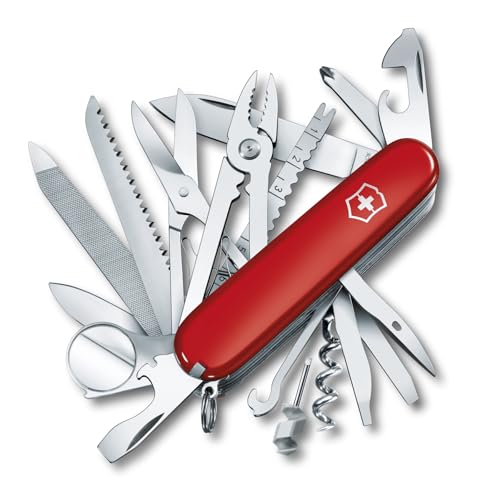
Victorinox Swiss Champ Swiss Army Knife, 33 Functions, Swiss Made Pocket Knife with Large Blade, Screwdriver, Chisel and Combination Pliers - Red Best for most families
- Blade cuts cordage, fabric, and tinder for shelter and fire preparation.
- Can opener accesses sealed food when utilities and kitchens fail.
- Drivers tighten critical fasteners on stoves, radios, and gear.
- Stainless steel resists corrosion, enabling reliable use in wet conditions.
 info@emerggear.com