Water Filter Bottle
Why you need this: You need this water filter bottle to prevent illness by turning unsafe water drinkable during emergencies, safeguarding you and your family.Water Filter Bottle: How It Works, When It Helps, and What to Look For
A water filter bottle is a reusable bottle with a built‑in filtration system designed to make questionable water safer and better tasting at the moment you drink. It is a simple, packable tool that turns streams, public fountains, and even tap water during a boil‑water advisory into a more reliable source of hydration. For everyday errands, travel, and emergencies alike, a water filter bottle helps you stay independent, reduce single‑use plastic, and keep moving when access to clean water is uncertain.
In emergency scenarios—like power outages, pipe breaks, or severe storms—municipal treatment can be interrupted or water mains can be contaminated. A water filter bottle can bridge the gap until full services are restored or you can reach a safer supply. In normal life, it cuts chlorine taste, screens out particulates, and gives peace of mind when you can’t be sure of the source. The result is portable, on‑demand filtration that supports daily wellness and practical preparedness without bulky gear.
How It Works
Most water filter bottles combine mechanical filtration with media that adsorb or reduce chemical compounds affecting taste and safety. You fill the bottle with raw water, then either sip through a straw, squeeze the bottle, or use gravity to push water through the filter. The core ideas are simple but effective:
- Mechanical (size‑exclusion) filtration: Microporous media—often hollow‑fiber membranes—physically trap sediment and microorganisms. Typical pore sizes around 0.1–0.2 microns can remove many bacteria and protozoa.
- Activated carbon: A highly porous material that adsorbs compounds that cause odor and off‑tastes (like chlorine) and can reduce some volatile organic compounds. It improves palatability, encouraging you to drink more.
- Ion exchange or specialized media: Some designs include resins that reduce certain heavy metals or emerging contaminants. Performance depends on the specific media and the water chemistry.
- Prefilter screens: A coarse screen or mesh helps catch larger grit, protecting the main filter and extending its life.
- Optional purification steps: A few systems combine filtration with disinfectants or UV to address viruses. Filtration alone typically does not remove viruses unless the unit is rated as a purifier.
Flow rate, effort required to sip, and taste outcomes vary by design. Filters gradually clog as they capture particles; some can be backflushed or rinsed to restore performance. Lifespan is usually rated in liters or gallons—track usage so you can replace components before performance drops.
When the Water Filter Bottle Helps Most
- Natural disasters: Post‑storm boil advisories, flood‑impacted mains, earthquake‑damaged infrastructure, or wildfire ash affecting surface water.
- Home accidents and maintenance: Plumbing repairs, sudden pressure loss, or a broken line that introduces sediment or discoloration to your tap water.
- Workplace issues: Building maintenance, closed cafeterias, or questionable water coolers during outages—stay hydrated without leaving the site.
- Vehicles and commuting: Stuck in traffic or stranded on a road trip; refill safely from public taps while minimizing plastic waste.
- Outdoor activities: Day hikes, camping, fishing, and trail runs where carrying all the water you need would be heavy; refill along the route from streams or spigots.
- Travel and everyday carry: Airports, gyms, parks, and unfamiliar towns where taste or quality varies.
- Emergency kits: A grab‑and‑go option for go‑bags, desk drawers, school backpacks, and household preparedness bins.
Strengths, Suitability & Limitations
Strengths
- Portable and fast: Drink directly from the bottle—no separate pumps or hoses needed.
- Daily value: Improves taste and reduces reliance on single‑use bottles, lowering long‑term costs and waste.
- Versatile: Works across home, travel, office, and outdoor scenarios with one familiar tool.
- No power required: Mechanical filtration works during power outages and remote trips.
- Easy habit: Carry it as your normal bottle so it is always with you when something goes wrong.
What It’s Not For
- Desalination: It does not turn seawater into fresh water.
- Industrial chemicals and fuel spills: Many chemical contaminants require specialized treatment that a typical bottle cannot provide.
- Viruses (unless rated as a purifier): Standard microfilters target bacteria and protozoa but may not reliably remove viruses.
- Heavily contaminated floodwater: Mixed sewage, fuel, and debris overwhelm portable filters; seek safer sources.
Limitations and safety considerations
- Freeze risk: A wet filter can be damaged if it freezes. Keep it warm in cold environments or store the wet filter in a pocket.
- Cross‑contamination: Keep the “clean” side (mouthpiece and inside bottle after filtration) protected from dirty hands and raw water splashes.
- Flow declines over time: Clogging is normal; maintain, backflush if allowed, and replace components as specified.
- Water quality varies: Very fine sediment, tannins, and certain chemicals can reduce taste and throughput even if microorganisms are removed.
- Follow instructions: Always read and use the manufacturer’s directions for assembly, priming, and maintenance.
What to Look For When Buying a Water Filter Bottle
Choose a bottle that fits your routine first, then match the filtration performance to your likely water sources. A balanced choice gives good flow, reliable contaminant reduction, and easy maintenance without adding complexity you won’t use.
- Filtration performance: Look for clear claims on what the bottle reduces or removes (bacteria, protozoa, sediment, chlorine taste/odor, heavy metals, PFAS, etc.). If virus protection matters to you, seek a unit rated as a purifier.
- Independent testing: Prefer products with third‑party test data to relevant standards (for example, standards that address microbiological performance or chemical reduction). Transparent results beat vague marketing.
- Pore size and media: Hollow‑fiber microfilters around 0.1–0.2 microns are common for bacteria/protozoa; activated carbon improves taste. Some bottles combine multiple media for broader coverage.
- Flow rate and effort: A comfortable sip matters. Try to understand the expected liters per minute and how effort changes as the filter loads with use.
- Lifespan and capacity: Filters are consumables. Compare cost per liter by dividing the filter price by the rated life to estimate ongoing value.
- Materials and safety: Food‑grade, BPA/BPS‑free plastics or stainless steel bodies; quality gaskets; mouthpiece covers that keep the drink surface clean.
- Build quality: A leak‑resistant cap, robust threads, and a shape that fits cup holders and backpack pockets improve daily usability.
- Maintenance features: Easy disassembly, backflushing options, replaceable cartridges, and available spare parts extend service life.
- Weight and size: Capacity of 500–1000 ml covers most daily needs without becoming bulky. If you hike, consider weight; if you commute, consider convenience.
- Cold‑weather compatibility: If you venture into freezing conditions, look for guidance on protecting the filter when wet.
- Taste and odor reduction: If palatability is a top priority, ensure there is a meaningful activated carbon stage.
- Beware of imitations: Avoid bottles with unrealistic claims (like “filters anything instantly”) or no verifiable test data. Watch for poor fit/finish, missing instructions, or inconsistent labeling.
Placement, Storage & Readiness
Your water filter bottle only helps if you can reach it quickly. Stage it where you live, work, and travel so hydration is never a question.
- Everyday carry: Keep it in your backpack, gym bag, or on your desk. Make it your default bottle.
- Vehicles: Store the bottle body in your car, but avoid leaving a wetted filter in hot or freezing temperatures. Consider keeping the filter in a small pouch you bring with you.
- Home readiness: Place a bottle in your go‑bag and another near your emergency supplies. Keep spare filter elements sealed and labeled with replacement dates.
- Workplace: A desk drawer or locker location ensures you have safe water even if building systems are interrupted.
Maintenance is straightforward but important:
- Inspect regularly: Check seals, O‑rings, and the mouthpiece for wear. Replace cracked or deformed parts.
- Dry and sanitize: After trips, disassemble, rinse, and air‑dry components. Follow the maker’s instructions for periodic sanitizing.
- Track usage: Note liters filtered or set a calendar reminder to assess flow and replace media as needed.
- Avoid common mistakes: Do not let a wet filter freeze, do not store long‑term with stagnant water inside, and do not expose the clean mouthpiece to raw water.
How to Use It Properly
- Unbox and inspect: Verify all parts are present. Check the bottle body, cap, straw or filter module, and seals for defects.
- Assemble and prime: Install the filter per the instructions. Many carbon stages require an initial flush to remove fine carbon dust; discard the first fill if directed.
- Choose the best source: Favor clear, flowing water. Avoid water downstream of potential contamination (agriculture runoff, industrial areas, or after a fuel spill).
- Pre‑filter if needed: If the water is silty, pour it through a clean cloth or let sediments settle to reduce clogging and improve taste.
- Fill carefully: Submerge the bottle without stirring up the bottom. Leave a little headspace so the cap seals easily.
- Operate as designed: Sip through the straw, squeeze gently, or invert if required. Do not bypass the filter by removing parts during drinking.
- Protect the clean side: Keep the mouthpiece covered. Do not touch it with dirty hands, and avoid setting the cap on contaminated surfaces.
- Maintain flow: If sipping gets harder, backflush or rinse if your model allows. Do not use abrasive tools that could damage the media.
- Cold‑weather caution: Keep a wet filter from freezing. Store it in a pocket close to your body or empty and dry it if you will not use it.
- Know the limits: If you suspect viral contamination or industrial chemicals, use a purifier‑rated method or alternative safe water. This bottle is not for seawater.
- After use: Empty, disassemble, rinse with clean water, and air‑dry fully. Reassemble only when dry to prevent microbial growth.
- Replace on schedule: When flow remains poor after maintenance or the rated capacity is reached, install a new filter element.
Final Summary
A water filter bottle is a small, smart upgrade that pays off every day and especially during disruption. It delivers safer, better‑tasting water on demand without electricity, reduces plastic waste, and adds resilience to your routine at home, at work, and on the move.
Choose thoughtfully—prioritize verified performance, comfortable flow, quality materials, and ease of maintenance. Store it where you will actually use it, keep the filter protected from extremes, and replace parts on time. With a little planning and the right bottle, clean hydration is always within reach, whether you are navigating a busy day or responding to an unexpected emergency.
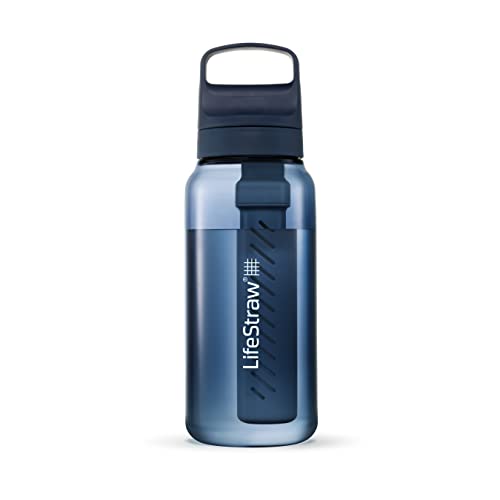
LifeStraw Go Series – BPA-Free Water Filter Bottle for Travel and Everyday Use Removes Bacteria, Parasites and Microplastics, Improves Taste, 1L Aegean Sea Best for most families
- Hollow-fiber microfiltration removes bacteria, protozoa, and microplastics from untreated water.
- Operates without electricity, batteries, or fuel; reliable in grid failure.
- Integrated bottle simplifies collection, transport, and quick drinking.
- Designed for microbes, not chemicals or salt; avoid chemical spills and seawater.
 info@emerggear.com