Water Purification Tablets
Why you need this: When disasters cut off clean water, water purification tablets make unsafe sources drinkable, preventing illness and safeguarding your family.Water Filter Tablets: Lightweight, Reliable Water Purification for Emergencies and Everyday Readiness
Water filter tablets are compact, easy-to-carry disinfectants designed to make questionable water safer to drink. In a world where a broken main, a boil-water advisory, a flight delay, or a hiking detour can leave you without clean water, these tablets offer a practical, fast, and low-cost solution. They help neutralize harmful microbes and provide a critical layer of protection when you can’t boil or filter. Because they are lightweight, long-lasting, and require no power or special equipment, water filter tablets fit seamlessly into preparedness kits, travel bags, and everyday carry.
Clean drinking water is essential for health and performance. In emergencies, municipal systems can fail, well pumps can lose power, and bottled supplies may run out. Even during routine travel or outdoor recreation, a minor mistake—like forgetting a water bottle or running out on a trail—can escalate quickly. Water filter tablets help fill that gap by treating water from taps, spigots, or natural sources, so you can keep moving and stay hydrated. They also pair well with mechanical filters: use a filter to remove sediment and improve taste, then use tablets to disinfect for an extra margin of safety.
Ultimately, water filter tablets provide peace of mind, whether you are building a household emergency kit, outfitting a vehicle, or preparing for international travel. Their portability, shelf life, and simplicity make them an outstanding backup to any water plan.
How It Works
Water filter tablets are chemical disinfectants that inactivate microorganisms—such as bacteria and viruses—and, depending on the formulation, many protozoa. Common active ingredients include oxidizers like chlorine dioxide, iodine, or chlorine-based compounds. When dissolved, these compounds spread through the water and attack the cellular structures or vital processes of pathogens, making the water safer to drink. They do not physically remove particles; instead, they disinfect the water. For best results, pre-filter cloudy water through a clean cloth or coffee filter to remove sediment before treatment.
- Microbial inactivation: Oxidizing agents damage or destroy bacteria and viruses; some formulations are also effective against cysts such as Giardia and, with sufficient contact time, Cryptosporidium.
- Contact time matters: The colder or murkier the water, the longer you typically need to wait. Always follow the specific instructions on the package.
- Dosage by volume: Most tablets are designed for a fixed volume (often 1 liter or 1 quart). Use the correct number of tablets for your container size.
- Residual protection: Some formulations leave a mild residual disinfectant that helps keep treated water safer during short-term storage.
- Taste and odor: A slight taste or smell can occur; optional neutralizer tablets or aeration improves palatability.
- Packaging: Sealed blister packs or moisture-resistant containers protect tablets from humidity, which can degrade potency.
When Water Filter Tablets Help Most
- Natural disasters: Hurricanes, earthquakes, floods, and wildfires can disrupt treatment plants and contaminate supplies. Tablets provide immediate, portable disinfection when taps are unreliable.
- Boil-water advisories: If you can’t boil or power is out, tablets offer a practical alternative to help address microbial risks.
- Home accidents: Burst pipes, backflow incidents, or contaminated storage containers. Tablets help make stored or collected water safer to drink.
- Workplaces and field teams: Construction sites, outdoor events, survey crews, film sets, and disaster response scenarios where clean water access is inconsistent.
- Vehicles: Keep a pack in your glove box, motorcycle pannier, RV, or boat for unexpected delays or route changes.
- Travel: International trips, layovers, or hotels with questionable tap water. Tablets are compact insurance when bottled options are scarce.
- Outdoor activities: Hiking, backpacking, hunting, fishing, trail running, bikepacking, and paddling—especially when weight and simplicity matter.
- Preparedness kits: Go-bags, home emergency bins, office drawers, and first-aid kits benefit from a dedicated water treatment backup.
Strengths, Suitability & Limitations
Strengths
- Lightweight and compact: Very easy to carry a multi-day supply without adding bulk.
- Simple to use: No moving parts or complex maintenance; just dose, wait, and drink.
- No power or fuel required: Effective even when electricity or heat sources are unavailable.
- Broad-spectrum disinfection: Targets bacteria and viruses; certain formulations also address protozoan cysts with adequate contact time.
- Value per liter: Cost-effective for emergency stockpiles and travel.
- Good backup to filters: Complements mechanical filtration to improve overall safety.
What It’s Not For
- Desalination: Tablets do not remove salt; they are not suitable for seawater.
- Chemical contaminants: They do not remove heavy metals, fuels, pesticides, or industrial chemicals.
- Highly turbid water: Suspended solids can shield microbes; pre-filtering is essential, and additional treatment may be needed.
- Long-term daily use (for certain formulations): Iodine-based options may not be appropriate for extended use; always follow label guidance.
- Instant hydration: You must respect contact time; tablets are not immediate.
Limitations and safety considerations
- Always follow the manufacturer’s instructions for dosing and minimum wait times; colder or dirtier water generally requires longer.
- Pregnant individuals, those with thyroid conditions, or iodine sensitivity should avoid iodine-based tablets unless advised by a healthcare professional.
- Do not exceed recommended dosage. Overdosing can create unpleasant taste and potential health risks.
- Store tablets in their original, sealed packaging; moisture and heat degrade potency.
- Do not mix different chemical treatments unless directed by the manufacturer.
- If water is visibly contaminated with chemicals or fuel, do not rely on tablets; seek a safer source.
- Check expiration dates and lot codes; rotate stock as part of routine preparedness.
What to Look For When Buying Water Filter Tablets
Not all tablets are the same. Choose options that match your typical scenarios and comfort with taste, speed, and spectrum of protection. Prioritize clear, test-backed claims and packaging that preserves potency.
- Active ingredient: Common options include chlorine dioxide, iodine, and chlorine-based compounds. Chlorine dioxide is known for broad-spectrum efficacy and better performance against certain protozoa with longer contact time; iodine and chlorine-based options can act quickly against many bacteria and viruses.
- Microbial performance claims: Look for transparent statements about reductions for bacteria, viruses, and protozoa, ideally with log-reduction values and validation by recognized test protocols.
- Contact-time chart: Packaging should specify how long to wait under different conditions (temperature, turbidity, and target organisms).
- Dosage and convenience: One tablet per liter or quart is easy to remember; confirm the volume each tablet treats.
- Shelf life and expiration: Favor clearly printed expiration dates and lot numbers; typical shelf lives range from a couple of years to several years depending on the formulation.
- Packaging quality: Foil blister packs and moisture-resistant containers protect from humidity; individual wrapping is ideal for kits.
- Taste management: Some kits include neutralizer tablets; aeration or flavor additives after treatment can also help.
- Clear instructions and warnings: Well-written directions in your language, including guidance for cold or cloudy water.
- Child-resistant features: Helpful for household safety.
- Value per liter: Compare cost by the total liters treated rather than the tablet count alone.
- Watch for low-quality imitations: Be cautious of products with missing instructions, vague claims like “instant purification,” unclear dosing, no expiration date, or poorly sealed packaging.
Placement, Storage & Readiness
Where you place water filter tablets matters as much as which ones you buy. Distribute them across everyday and emergency locations so you always have access to safe water treatment.
- Everyday carry: A few tablets in a small blister tucked into your backpack, purse, or briefcase.
- Home and office kits: Store alongside a dedicated water container, a clean cloth for pre-filtering, and a measuring guide.
- Vehicles: Keep tablets with your emergency kit; rotate frequently if exposed to heat.
- Outdoor gear: Stash in your hiking, camping, or fishing kit as a primary or backup treatment.
Protect tablets from moisture, heat, and crushing. Leave them sealed until use. Consider vacuum-sealing blister cards with a desiccant for long trips or humid climates. Set reminders to check expiration dates and packaging integrity as part of your seasonal gear inspections.
- Inspect for broken seals, discoloration, or damaged blisters; replace if compromised.
- Pair tablets with a lightweight pre-filter (coffee filter or bandana) and a marked container for accurate dosing.
- Include printed instructions in a waterproof sleeve for quick reference under stress.
- Rotate stock before expiry; move older packs into travel kits and resupply your main stash.
Common mistakes to avoid
- Not waiting the full contact time, especially in cold water.
- Skipping pre-filtration when water is cloudy or silty.
- Storing tablets in hot cars for months without rotation.
- Guessing the volume of your container, which can lead to under- or overdosing.
- Using tablets to treat chemically contaminated or saline water.
How to Use It Properly
The steps below are general educational guidelines. Always follow the exact directions on your tablet’s packaging.
- Choose the best source available: Favor the clearest, least contaminated water you can find.
- Pre-filter: If water is cloudy, pour it through a clean cloth, coffee filter, or bandana to remove sediment.
- Check the label and expiry: Confirm the tablet is in-date and read the dosing instructions and contact time for your conditions.
- Measure your water volume: Know whether your bottle holds 0.5 L, 1 L, 2 L, or 1 quart; mark containers if needed.
- Dose correctly: Add the appropriate number of tablets for the volume. Do not crush tablets unless the instructions say to.
- Mix well: Cap loosely, shake or stir to dissolve, and ensure the tablet disperses fully.
- Wait the required time: Observe the stated contact time; colder or cloudier water typically requires longer. Some formulations may suggest longer waits to address protozoan cysts.
- Sanitize threads and cap: After waiting, swirl treated water onto the bottle threads and cap interior and wait a few more minutes.
- Improve taste (optional): Use a neutralizer tablet if provided, or aerate by pouring between containers. Flavoring can be added after treatment.
- Consume or store briefly: Keep treated water in a clean, covered container. If storing, follow label guidance; treat more water as needed rather than stockpiling for extended periods.
- Monitor health: If anyone becomes ill or water quality seems questionable, seek a safer source, boil if possible, or combine with other treatment methods as appropriate.
Safety reminders: Do not use tablets on water contaminated by fuel or chemicals. People with thyroid issues, iodine sensitivity, or who are pregnant should avoid iodine-based products unless advised by a healthcare professional. Never exceed the recommended dose.
Final Summary
Water filter tablets are a smart, compact, and affordable way to safeguard your hydration when plans change, systems fail, or the unexpected happens. By neutralizing harmful microbes without electricity or complex gear, they bring reliable water treatment to your pocket, glove box, backpack, and emergency kits. Pair them with simple pre-filtration and follow the labeled contact times for best results.
Preparedness is about layers: store safe water when you can, carry a durable container, and back it up with water filter tablets so a broken tap, delayed flight, or flooded street doesn’t leave you without a safe drink. Add a few packs to every kit today—your future self will thank you when clean water is hardest to find.
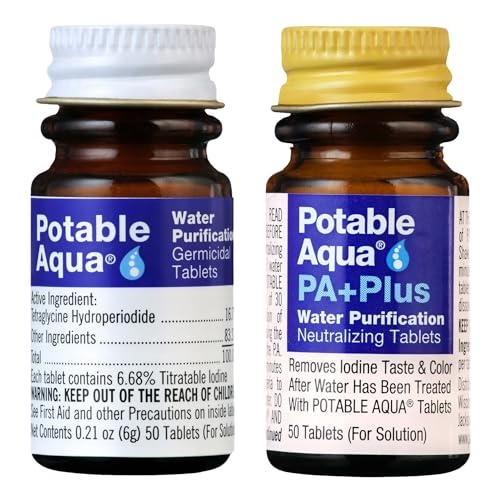
Potable Aqua Water Purification Tablets with PA Plus, Portable and Effective Solution for Camping, Hiking, Emergencies, Natural Disasters and International Travel, Two 50ct Bottles Best for most families
- Chemically inactivates bacteria and viruses; effective against Giardia with adequate contact time.
- Unit-dose packaging treats measured volumes, ensuring consistent dosing in emergencies.
- No heat, fuel, or power required; ideal when infrastructure fails.
- Works best with clear water; prefilter turbid sources for improved disinfection.
 info@emerggear.com