Waterproof Bag
Why you need this: You need waterproof pouches to keep phones, cash, and documents dry during floods and evacuations, preserving communication and identity.A waterproof bag is a protective carrier designed to keep your essentials dry when exposed to rain, splashes, and even brief submersion. Built from coated or laminated materials with specialized closures and sealed seams, it acts as a barrier against water, mud, sand, and dust. In practical terms, that means your phone, documents, medication, clothing, and tools remain usable and safe when conditions turn messy or dangerous.
Why does this matter? Water damage is one of the fastest ways to lose access to identity papers, navigation devices, and communication tools. In emergencies like flash floods, sudden storms, or evacuations, a waterproof bag can safeguard your most critical items so you can move quickly and confidently. In everyday life, it prevents headaches from spilled drinks, leaky umbrellas, burst toiletries, and surprise downpours.
Modern designs come in many forms—compact pouches, roll-top dry sacks, backpacks, and duffels—so you can pick a size and shape that fits daily carry or a full emergency kit. The best options balance durability with portability, combining tough fabrics, welded seams, and reliable closures to deliver long-term, all-weather protection.
Whether you’re commuting through a storm, packing a go-bag, or loading a kayak for a weekend trip, a waterproof bag is an affordable, high-impact upgrade to your preparedness plan. It’s simple insurance for your gear, and it works just as well during routine mishaps as it does during a crisis.
How It Works
A waterproof bag blocks water intrusion using a combination of coated fabrics, sealed seams, and secure closure systems. The materials and construction method determine whether the bag is splashproof, rainproof, or capable of withstanding temporary submersion. When done right, water cannot wick through textile fibers or seep in through needle holes or poorly sealed edges.
- Materials: Common choices include TPU-laminated nylon, PVC tarpaulin, or TPU films. These materials resist water penetration and remain flexible in cold weather, with higher denier or thickness generally indicating greater abrasion resistance.
- Seam construction: Look for RF-welded or heat-sealed seams. Welding fuses layers together to eliminate needle holes, which are pathways for leaks.
- Closures: Roll-top designs create a watertight seal when the top edge is rolled tightly 3–5 times and buckled. Waterproof zippers provide quick access and can be submersion-capable when fully closed and maintained properly.
- Air management: Some bags include purge valves to remove air for compact packing. Leaving some air inside can help the bag float if it falls overboard.
- Ratings and standards: Many products reference an IPX code. For example, IPX6 resists powerful water jets; IPX7/IPX8 covers immersion for specified depths and durations. Always match the rating to your intended use.
- Reinforcements and hardware: Lash points, D-rings, padded straps, and abrasion guards help the bag survive rough handling and secure it to vehicles or boats.
When The waterproof bag Helps Most
- Natural disasters and severe weather: Heavy rain, hurricanes, flash floods, snowmelt, or storm surge—keep documents, electronics, and a small first-aid kit dry in evacuation scenarios.
- Home accidents: Burst pipes, roof leaks, sprinkler discharges, or spilled cleaning buckets—protect valuables while you respond and clean up.
- Workplace hazards: Construction sites, marinas, labs, and event setups often involve water, dust, or chemicals. Store tablets, radios, and paperwork safely.
- Vehicles and travel: Sudden downpours while loading the trunk, convertible top leaks, roof-rack exposure, or luggage sitting on a rainy tarmac. A waterproof bag shields clothes, passports, and tech.
- Outdoor adventures: Kayaking, canoeing, paddleboarding, fishing, hiking, camping, skiing, or off-roading—keep layers, maps, cameras, and snacks dry and organized.
- Daily commuting and family errands: Bike rides in the rain, stroller storage at splash parks, gym and pool days—no more soggy clothes or damaged headphones.
- Boats and docks: Dinghy trips to shore, wet decks, and salt spray. Tether a waterproof bag to prevent loss and keep essentials dry.
Strengths, Suitability & Limitations
Strengths
- Reliable water protection: Keeps contents dry in rain, spray, and brief submersion when properly sealed.
- Durability: Abrasion-resistant fabrics and welded seams handle rough environments.
- Buoyancy (with air trapped inside): Can float if dropped overboard, aiding retrieval.
- Versatility: Works for commuting, travel, outdoor sports, and emergency kits.
- Cleanliness: Blocks sand, dust, mud, and spills; easy to rinse and wipe down.
- Organization: Available in multiple sizes with internal pockets, windows, and color options.
What It’s Not For
- Not a life-safety device: Do not use as a flotation aid or life jacket.
- Not fire- or heat-proof: It won’t protect contents from high temperatures or flames.
- Not for indefinite deep submersion: Most bags are rated for brief immersion; extended or deep dives exceed intended use.
- Not chemical PPE: Avoid storing hazardous substances unless the bag specifically states compatibility.
- Not a vacuum or pressure container: Pressure changes and overstuffing can compromise seals.
Limitations and safety considerations
- Seal quality depends on technique: Roll-top closures require tight, multiple rolls; zippers must be fully closed and kept clean.
- Puncture and abrasion risk: Sharp edges or dragging can breach the shell; avoid contact with barnacles, thorns, or rough concrete.
- Condensation and trapped moisture: Temperature swings can cause condensation inside; use desiccant packs and pre-dry contents.
- Material aging: UV, heat, and chemicals can degrade coatings and adhesives; periodic inspection is essential.
- Weight vs. capacity: Heavier-duty materials add weight; choose the lightest gear that still meets your protection needs.
What to Look For When Buying a waterproof bag
Selecting the right waterproof bag is about matching build quality to your environment. Focus on materials, closure type, seam construction, capacity, and comfort features that suit your activity and threat profile.
- Waterproof rating and claims: Look for clear performance language or an IPX rating. IPX6 handles heavy spray; IPX7/IPX8 covers immersion for defined conditions. Beware vague descriptors like “water-resistant” without specifics.
- Fabric and coating: TPU-laminated nylon tends to be lighter and flexible in cold; PVC tarpaulin is rugged and budget-friendly but can be heavier and stiffer. Higher denier fabrics improve abrasion resistance.
- Seam construction: Prioritize RF-welded or heat-sealed seams over stitched seams. Wide seam allowances and clean welds signal quality.
- Closure system: Roll-top with a stiffened lip for reliable sealing (aim for at least 3–5 rolls). Waterproof zippers offer quick access but require cleanliness and occasional lubricant designed for such zippers.
- Capacity and sizing: 2–5 L for phones/keys, 10–15 L for day trips, 20–30 L for clothing and food, 40–65 L for travel or evacuation kits.
- Organization: Internal sleeves, removable pouches, and transparent windows help segment dry clothes, documents, and first-aid items.
- Carry comfort: Padded shoulder straps, sternum/hip belts on larger bags, grab handles, and breathable back panels for longer treks.
- Hardware and reinforcements: Corrosion-resistant D-rings, robust buckles, reinforced lash points, and abrasion panels on high-wear areas.
- Compression and valves: Purge valves and compression straps improve packability and space efficiency.
- Visibility and safety: Reflective accents and high-visibility colors improve retrieval and nighttime safety.
- Weight and packability: For travel and backups, a lighter bag that packs flat is easier to stage and carry.
- Maintenance and repairability: Smooth interior for easy cleaning, compatible patch kits, and accessible customer support or clear care instructions.
- Red flags for low-quality imitations: Stitch-only seams without taping or welding, flimsy buckles, misaligned roll-tops, no mention of materials or ratings, overly strong chemical odors, or sloppy seam work.
Placement, Storage & Readiness
Strategic placement ensures your waterproof bag is available the moment you need it. Think in terms of home, vehicle, work, and outdoor kits, and store each where you’ll reach for it fastest.
- Home staging: Keep one in a front-closet grab zone, another near the emergency kit. Store above potential flood lines (upper shelves, not basement floors).
- Vehicle readiness: Place in the trunk or under a seat and secure to anchor points so it won’t become a projectile during hard braking.
- Work and daily carry: A compact pouch in your backpack or locker protects essentials from surprise storms and spills.
- Outdoor and watercraft: Lash to a boat or board with a short tether; leave a bit of air inside for floatation.
- Inspection and maintenance: Monthly checks for abrasion, seam separation, and buckle wear. Rinse off salt and grit, then air-dry completely before storage.
- Humidity control: Add desiccant packs to reduce condensation. Avoid sealing damp gear inside for long periods.
- Avoid common mistakes: Overfilling (which stresses seams), under-rolling a roll-top, dragging the bag on rough surfaces, or storing in direct sunlight or near heaters.
- Repair preparedness: Keep a small patch kit and zipper lubricant in an accessory pouch.
- Labeling and organization: Color-code pouches (electronics, documents, first aid) and keep photocopies of IDs sealed inside a smaller inner sleeve.
How to Use It Properly
- Inspect the bag: Check fabric, seams, buckles, and zippers before each use. Remove dirt, sand, or salt, especially around closures.
- Pre-protect sensitive items: Place phones, batteries, and key documents in smaller inner sleeves for redundancy.
- Pack smart: Put heavy or rigid items at the bottom and away from corners. Use soft clothing as padding around delicate gear.
- Seal the closure: For roll-tops, align the stiffened lip and roll tightly at least 3–5 times, then clip. For waterproof zippers, clear grit from the teeth and pull the slider fully closed.
- Manage air: Use a purge valve if available. For water activities, leave a bit of air to help the bag float; for compact packing, vent excess air.
- Test when new: Before relying on it, perform a quick sink or shower test with dry paper towels inside to confirm the seal, staying within the bag’s rating.
- Secure the bag: Attach tethers or use lash points on boats, bikes, and roof racks to prevent loss.
- Handle with care: Avoid dragging on abrasive surfaces and keep away from sharp objects and hot exhausts.
- Post-use care: Rinse off salt or mud, open the bag fully, and air-dry. Store unrolled in a cool, shaded place. Lubricate waterproof zippers as recommended by the manufacturer.
- Safety reminder: A waterproof bag is not a flotation device, not fire-resistant, and not intended for deep or prolonged submersion beyond its rating.
Final Summary
A waterproof bag is a simple, high-value upgrade for both everyday life and emergency preparedness. It protects the items that matter most—electronics, documents, medication, and dry clothing—against weather, spills, and short-term immersion. With the right materials, welded seams, and a reliable closure, it becomes a trusted part of your kit for commuting, travel, outdoor adventures, and crisis response.
Before you buy, match the bag’s features to your environment: choose an appropriate rating, confirm welded seams, select a closure you’ll use correctly under stress, and pick a size that fits your load. Stage one at home and another in your vehicle, and practice sealing it so muscle memory takes over when the pressure is on.
Preparedness favors the practical. Add a waterproof bag to your plan, maintain it, and keep it ready—so your essentials stay dry when everything else is soaked.
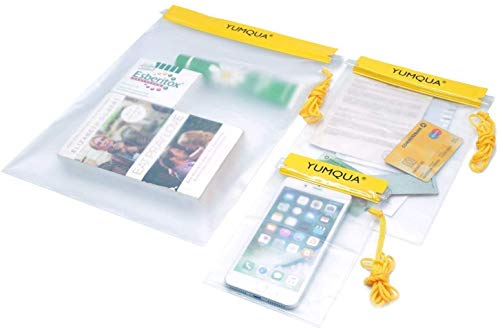
YUMQUA Clear Waterproof Bags, Water Tight Cases Pouch Dry Bags for Camera Mobile Phone Maps Pouch Kayak Military Boating Document Holder Best for most families
- Blocks rain, spray, and brief submersion when properly sealed.
- Keeps radios, documents, tinder, and medications dry for critical tasks.
- Welded seams and coated fabric resist abrasion and tearing during evacuations.
- Floats when sealed, aiding gear recovery in floods.
 info@emerggear.com