Large Waterproof Bag
Why you need this: A waterproof dry bag keeps critical gear and documents dry in storms, floods, or evacuations, so your family stays safe and prepared.Waterproof Big Bag: A Complete Guide to Emergency-Ready Storage and Everyday Protection
A Waterproof Big Bag is a large-capacity, fully sealed carry solution designed to keep gear, documents, and essentials dry and protected from rain, splashes, and brief submersion. Think of it as a rugged, oversized dry bag or waterproof duffel that combines high-volume storage with dependable sealing technology. Whether you are safeguarding emergency supplies, hauling sports equipment, or organizing travel essentials, a Waterproof Big Bag brings reliable water, dust, and grime protection to your routine.
Why does this matter? Because even a minor leak or unexpected downpour can ruin electronics, soak clothing, and damage critical paperwork. A high-quality bag minimizes downtime and stress by keeping critical items dry, simplifying grab-and-go readiness, and serving as a single, tough container that is easy to carry, stow, and clean. In emergencies, it can speed up evacuation by consolidating gear into one protected bundle; in everyday life, it reduces the fallout from spills, accidents, and sudden weather.
For anyone who wants orderly preparedness, a Waterproof Big Bag acts as a cornerstone piece: simple, sturdy, and highly versatile. It’s an investment in keeping your essentials usable, organized, and ready when conditions turn wet or messy.
How It Works
A Waterproof Big Bag uses specialized materials, sealed seams, and secure closures to block water ingress. The most common approach is a roll-top closure paired with heat-welded seams and a durable, coated fabric. Together, these elements create a barrier against rain, spray, and short-term immersion.
- Waterproof materials: Typically heavy-duty coated fabrics (such as TPU-laminated or PVC-based materials) that resist abrasion, puncture, and water penetration.
- Seam construction: High-frequency welded or taped seams prevent water from seeping through stitch holes; this is crucial for true waterproof performance.
- Closure systems: Roll-top designs form a watertight seal when folded several times and buckled. Some bags use waterproof zippers, which offer quick access but require careful maintenance to maintain their seal.
- Structural reinforcements: Stiffened roll-top strips, reinforced bottoms, and bar-tacked handles enhance durability and carrying comfort.
- Ratings and testing: Water-resistance claims are often described by IP ratings (e.g., IPX6/IPX7). Understanding the rating helps match the bag to your environment.
When the Waterproof Big Bag Helps Most
- Natural disasters: Flooding, hurricanes, severe storms, and evacuations where rapid, protected transport of documents, tablets, chargers, clothing, and first-aid is critical.
- Home accidents: Burst pipes, roof leaks, appliance overflows, and kid or pet spills that can ruin items if they’re not stored in a sealed container.
- Workplace situations: Construction dust, fieldwork in wet conditions, outdoor events, and job sites where you need to keep tools, PPE, and electronics dry and organized.
- Vehicles: Trunks, roof racks, pickup beds, motorcycles, and boats where gear is exposed to rain, road spray, and puddles; also helpful for preventing interior messes from muddy or wet equipment.
- Outdoor activities: Camping, fishing, paddling, beach days, ski trips, overlanding, and photography adventures where weather shifts quickly and equipment must stay dry.
Strengths, Suitability & Limitations
Strengths
- Robust protection: Shields contents from rain, splashes, and brief submersion better than typical duffels or backpacks.
- High capacity: Carries bulky items comfortably, reducing the need for multiple small bags.
- Versatile carry: Duffle-style handles, backpack straps, and tie-down points make it easy to transport across vehicles and terrain.
- Easy cleanup: Wipes down quickly after mud, sand, or spills; dries fast for the next use.
- Emergency ready: Functions as a consolidated go-bag for evacuation or storm prep.
- Organizational helper: Keeps categories of gear together and protected, reducing last-minute packing stress.
What It’s Not For
- Not a flotation device: Even if a sealed bag can float, it is not intended for lifesaving use.
- Not a long-term submersion solution: Extended underwater use, diving, or deep submersion exceeds typical ratings.
- Not fireproof or heatproof: It will not protect contents from high heat, flames, or extreme temperatures.
- Not puncture-proof: Sharp tools, hooks, or jagged cargo can compromise the shell and seams without proper packing.
- Not odor-proof for hazardous items: Chemicals and fuels require approved containers; do not rely on the bag for containment.
Limitations and safety considerations
- Seal technique matters: Roll-top bags require several tight folds; incorrect closure reduces protection.
- Condensation risk: Moist air sealed inside can create humidity; use desiccants and inner pouches for sensitive electronics.
- UV and wear: Prolonged sun exposure and abrasion gradually degrade materials; inspect regularly.
- Weight and portability: Overloading can strain seams, straps, and your back; distribute weight thoughtfully.
- Vehicle safety: Secure the bag to prevent it from becoming a projectile during sudden stops.
What to Look For When Buying a Waterproof Big Bag
Choosing the right bag means balancing durability, capacity, and ease of use for your environment. Prioritize proven materials and construction while ensuring the size and carry system match your needs.
- Material quality: Look for heavy-duty coated fabrics (e.g., TPU-laminated or durable tarpaulin). Higher denier counts often indicate improved abrasion resistance.
- Seam construction: Prefer high-frequency welded or fully taped seams. Avoid designs with exposed needle holes on critical panels.
- Closure design: Roll-top closures should include a stiffening strip and buckle points; waterproof zippers should move smoothly and seal evenly.
- Capacity and sizing: Choose liter sizes based on use. As a general guide: 20–30L for day trips, 40–60L for weekends, 70–120L for expeditions or family kits.
- Carry options: Comfortable handles, removable backpack straps, sternum/waist support, and side grab points improve mobility with heavy loads.
- Reinforcements: Double-layer bottoms, bar-tacked stress points, and abrasion patches extend lifespan.
- Lash points and organization: D-rings, daisy chains, interior pockets, and clear windows help secure and find items quickly.
- Ratings and testing: Clear IP water-resistance ratings and published test details add confidence in real-world performance.
- Usability in cold/heat: Materials like TPU typically stay more flexible in cold conditions than some alternatives.
- Weight vs. durability: Ultralight designs are easier to carry but may sacrifice abrasion resistance; match the trade-off to your activity.
- Color and visibility: High-visibility colors and reflective accents aid location in emergencies; subdued shades are useful for discretion.
- Support and spares: Availability of replacement buckles, straps, and repair patches is a practical long-term advantage.
Watch out for low-quality imitations
- Thin coatings that peel or crack after a few uses.
- Inconsistent welds, pinholes, or crooked seams along the roll-top area.
- Weak buckles or hardware that flex or deform under load.
- Strong chemical odors that persist (often a sign of subpar materials).
- Vague or missing details about construction, ratings, or warranty terms.
Placement, Storage & Readiness
Where you keep your Waterproof Big Bag is as important as what you put in it. The goal is rapid access with minimal friction, plus simple routines that keep it in top condition.
- Smart placement: Store at home near an exit, in a closet with clear floor access, or in the garage on a shelf above potential flood lines. In vehicles, place it in the trunk or cargo area where it can be tied down.
- Staging essentials: Pre-pack categories in smaller inner pouches: documents, first-aid, power/charging, clothing, hygiene, snacks, pet supplies, and a small toolkit.
- Inspection habit: Every 3–6 months, check seams, buckles, straps, and the roll-top strip. Perform a brief water test in a shower or with a hose to confirm the seal.
- Moisture control: Include silica gel packs, and ensure items are fully dry before sealing to reduce condensation and odor.
- Sun and heat: Avoid prolonged exposure to direct sunlight, heaters, or hot vehicle dashboards to extend material life.
- Weight discipline: Keep the load manageable for the smallest person who may need to carry it; consider multiple bags for family kits.
- Repair readiness: Store a small patch kit and spare buckles. Mark the bag with contact info and an inventory card for quick reference.
Common mistakes to avoid
- Overstuffing, which limits roll-top folds and compromises the seal.
- Stowing near sharp tools or edges without protection.
- Relying on the bag as submersible beyond its rating.
- Leaving wet items inside for long periods, causing mildew or odor.
- Not securing the bag in moving vehicles.
How to Use It Properly
- Inspect before packing: Check for abrasions, seam issues, and buckle integrity. Ensure the roll-top stiffener is straight.
- Pre-line if needed: Use inner pouches or a secondary dry sack for electronics and documents to add redundancy.
- Organize your load: Place heavy items at the bottom and fragile gear in padded cases. Keep frequently accessed items near the top.
- Remove sharp threats: Sheath tools and cover corners to protect the bag from punctures.
- Manage moisture: Pack items dry and add desiccant packs for humidity control.
- Seal the roll-top: Align edges, squeeze out excess air, and roll tightly at least 3–4 times. Buckle ends together or to side straps as designed.
- Secure externally: Use lash points or compression straps to stabilize the load and attach accessories.
- Test the seal: Lightly spray or splash the closure area to verify no leaks before exposure to heavy rain.
- Transport safely: In vehicles or boats, tie the bag down to prevent shifting. Do not treat it as a flotation device.
- After use: Rinse off salt, sand, or mud; open fully and air dry. Store cool, dry, and shaded. Inspect again and repair any minor damage promptly.
Safety reminders: It’s not a life jacket, not fireproof, and not intended for long submersion. Always confirm the closure is sealed correctly and do not exceed weight you can carry safely.
Final Summary
A Waterproof Big Bag is a straightforward way to add resilience to your daily routine and emergency plans. By combining durable materials, reliable seam sealing, and an effective closure, it keeps essentials dry when conditions turn fast and unforgiving. Choose a bag that matches your environment, size requirements, and carry preferences; stage it with the gear you actually need; and maintain it with quick inspections and smart storage.
Preparedness is about removing friction. With a well-chosen Waterproof Big Bag, your most important items stay dry, organized, and ready to move. Build the habit now—set it up, test it, and keep it accessible—so that in a downpour or an emergency, you are not scrambling. You are prepared.
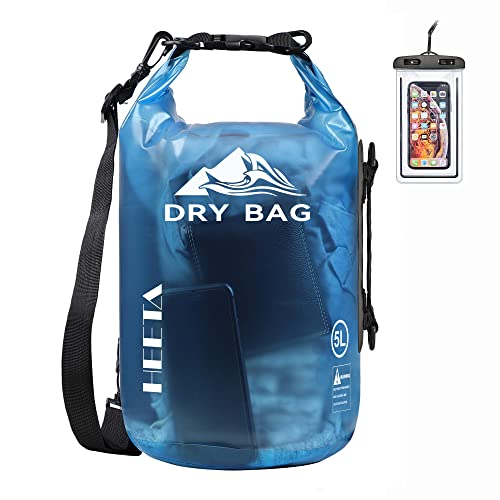
HEETA Dry Bag Waterproof for Women Men, 5L/10L/20L/30L/40L Roll Top Lightweight Dry Storage Bag Backpack with Phone Case for Travel Swimming Boating Kayaking Paddle Board Camping Beach Accessories Best for most families
- Protects gear from rain, splashes, and accidental dunking when properly sealed.
- High-volume capacity consolidates medical, food, and shelter items for rapid evacuation.
- Non-absorbent exterior wipes clean, reducing contamination risk after floods or spills.
- Simple, failure-resistant closure avoids zippers that jam in sand, ice, or mud.
 info@emerggear.com