Waterproof Lighter
Why you need this: You need this emergency lighter kit to ensure fire for warmth, cooking, signaling in wind and rain, keeping your family safe.Waterproof Lighter: A Complete Guide to Reliable Fire in Any Weather
A waterproof lighter is a purpose-built fire source designed to ignite reliably even after exposure to rain, puddles, splashes, or high humidity. Unlike standard lighters that fail when wet or windy, a waterproof lighter uses sealed housings, protective caps, and wind-resistant ignition systems to keep your flame or electric arc ready when you need it most. Whether you are camping, hiking, boating, working outdoors, or building a resilient home emergency kit, this tool provides dependable, all-weather ignition that can make the difference between discomfort and safety.
Why does it matter? In real life, accidents happen: a lighter gets dropped in a puddle, a sudden downpour soaks your gear, or condensation builds up in a backpack. During emergencies, reliable fire can mean warmth, safe drinking water, cooked food, light, and a way to signal for help. A waterproof lighter reduces the risk of a “no-fire” scenario caused by water infiltration or strong winds, helping you maintain control in both everyday mishaps and high-stress situations.
Because it is engineered for resilience—often with O-ring seals, gasketed lids, and windproof ignition—a waterproof lighter is a practical upgrade over standard pocket lighters. It’s compact, affordable, and easy to carry, making it one of the most effective additions to any survival, travel, or everyday carry (EDC) setup.
How It Works
Waterproof lighters achieve “wet-ready” performance by combining protective design elements with ignition systems that resist wind, splashes, and debris. While designs vary, most fall into two broad categories: fuel-based lighters (such as butane jet lighters) and electric arc lighters (plasma lighters). Both types are housed in sealed, durable enclosures that keep moisture out and protect the ignition components.
- Sealed cap and O-rings: A tight-fitting, gasketed lid prevents water intrusion. Quality O-rings maintain a waterproof seal and reduce evaporation or leaks.
- Wind-resistant ignition: Jet-style flames resist gusts; electric arc/plasma lighters generate a stable arc less affected by wind.
- Protected ignition switch: Covered or recessed buttons minimize accidental activation and stop water from seeping into critical components.
- Reinforced housing: Impact-resistant materials (such as metal alloys or high-grade polymers) help the lighter survive drops and rough handling.
- Refillable or rechargeable: Fuel-based models can be refilled with butane; electric models recharge via a port protected by a sealed cover.
- Drainage and drying: Some designs allow quick drainage and easy wiping if the exterior gets soaked, ensuring fast return to service.
- Pressure and temperature tolerance: Robust seals and fuel systems maintain performance across a wide range of conditions, though extreme cold can affect fuel-based models.
In short, a waterproof lighter is built to keep the elements out and the ignition dependable, so you can focus on the task: lighting a stove, starting a fire, or creating an emergency signal.
When The waterproof lighter Helps Most
- Natural disasters: Hurricanes, floods, blizzards, and severe storms often combine power outages with soaked gear. A waterproof lighter helps start a heater-approved stove, boil water, or ignite emergency tinder even in wet, windy conditions.
- Home accidents: Drop your lighter in the sink, spill a drink on it, or leave it in a damp basement? A sealed, water-resistant design keeps it working for lighting candles, grills, or emergency burners.
- Workplace situations: Outdoor job sites, agricultural fields, construction, and maritime work expose tools to rain, mist, and spray. A waterproof lighter provides reliable ignition for heating tasks or controlled flame needs.
- Vehicles and travel: Keep one in your glove box, motorcycle kit, boat emergency box, or off-road rig. If you’re stranded or camping out of your vehicle, it’s invaluable for warmth and signaling.
- Outdoor activities: Backpacking, camping, hunting, fishing, paddling, and mountaineering often involve wet hands, wet gear, and unpredictable weather. A waterproof lighter shines when traditional options fail.
- Everyday carry (EDC): For anyone who values preparedness, a compact waterproof lighter slips into a pocket or pouch and stays ready despite rain or accidental splashes.
Strengths, Suitability & Limitations
Strengths
- All-weather reliability: Designed to perform in rain, spray, and high humidity, often with wind-resistant ignition.
- Durability: Rugged cases, sealed lids, and reinforced hinges handle drops and daily wear.
- Compact and portable: Easy to carry in pocket, pack, glove box, or survival kit.
- Refillable or rechargeable: Long-term value and sustainability compared to disposable lighters.
- Preparedness-friendly: A small, high-impact upgrade that increases the resilience of any emergency plan.
What It’s Not For
- Not a toy: Keep away from children and never use as a novelty item.
- Not for oxygen-rich environments: Never use near medical oxygen or in flammable vapor-heavy areas.
- Not a long-burn torch: Designed for ignition tasks, not continuous high-heat industrial use.
- Not immune to physics: Extreme cold, altitude, or prolonged submersion can impact performance, especially in fuel-based designs.
Limitations and safety considerations
- Seal maintenance: O-rings and gaskets wear out over time; inspect and replace as needed to keep water out.
- Fuel vs. battery trade-offs: Butane performance can drop in cold; electric models require charging and protected ports.
- Heat and storage: Avoid leaving any lighter in direct sun or a hot vehicle; pressure can build and seals may degrade.
- Fire safety first: Use in ventilated spaces away from flammable vapors and combustibles. Practice safe fire-starting techniques.
- Local regulations: Be aware of restrictions related to open flames, travel, and transport.
What to Look For When Buying a waterproof lighter
Choosing the right waterproof lighter is about matching features to your environment and use case. Prioritize sealing, ignition reliability, and build quality over flashy extras, and avoid cut-rate imitations that compromise safety or performance.
- Waterproofing details: Look for gasketed lids, O-rings, and port covers with a positive snap or latch. Double-check that charging or refill ports seal tightly.
- Wind resistance: Jet-style flames or electric arcs handle gusts better than traditional soft flames. Consider your typical wind exposure on water, ridgelines, or job sites.
- Ignition system: Piezo ignition and electric arcs are generally reliable and spark consistently. Flint wheels can work but are more affected by moisture and grime.
- Fuel or power source: Butane is widely available and quick to refill; electric arcs avoid liquid fuel and can be charged via USB. Some prefer to carry both for redundancy.
- Build and materials: Reinforced polymers, aluminum, stainless, or zinc-alloy housings resist impacts. Check hinge strength, latch feel, and whether the cap aligns cleanly with the seal.
- Ergonomics and controls: A grippy texture and glove-friendly button or switch make a big difference in rain or cold conditions.
- Safety features: Child-resistant mechanisms, lockouts, and automatic shutoff add peace of mind. Make sure the flame or arc extinguishes immediately when released.
- Cold weather performance: If you operate in freezing conditions, research how the design handles cold. Some butane models need warming; electric arcs may be more consistent in low temperatures.
- Serviceability: Access to replacement O-rings and the ability to clean ignition components extend the life of your lighter.
- Battery and charging (for electric): Check estimated ignitions per charge, charging port type, and whether the port is covered by a secure seal.
- Refill quality (for fuel-based): A tight refill valve, clear instructions, and a leak-resistant design matter. A viewing window for fuel level is a helpful bonus.
- Weight and size: Compact models suit EDC; larger models may offer longer runtime and beefier seals for expedition use.
- Signs of low-quality imitations: Thin, loose O-rings; misaligned caps; spongy or inconsistent ignition; unsealed ports; and exaggerated “waterproof to extreme depths” claims. Prioritize clear specifications and solid construction over hype.
Placement, Storage & Readiness
Where and how you store your waterproof lighter determines whether it’s truly ready. Build redundancy—consider carrying one on your person and staging others across your gear and locations.
- Home and work: Store in an emergency kit, kitchen drawer (out of children’s reach), garage tool chest, or job site bag. Keep away from open flames and heat sources.
- Vehicles and boats: Place in a glove box or center console, inside a small waterproof pouch. Avoid direct sun and extreme heat. On boats, tether it so it can’t go overboard.
- Outdoor packs: Keep one in your hiking, camping, or fishing pack in an easy-to-reach pocket. Include a backup in your shelter or cook kit.
- Inspection routine: Monthly (or before outings) check the O-rings, latch, and ignition. Test the spark or flame for consistency.
- Fuel and power management: Top off butane responsibly and avoid overfilling. For electric models, charge fully and verify the port cover seals. Carry a small fuel canister or cable if appropriate.
- Cleanliness: Wipe off grit and salt spray; clear lint from the cap and nozzle area. Replace any stretched or cracked gaskets promptly.
- Avoid common mistakes: Don’t leave the lighter in a very hot vehicle; don’t store with the cap unlatched; don’t use the wrong fuel; and don’t ignore a weak or inconsistent ignition—service it before you need it.
How to Use It Properly
- Choose a safe location: Move away from fuel vapors and ensure good ventilation. Keep flammable materials clear of the ignition area.
- Inspect before use: Verify the cap is sealing, the O-ring is intact, and the ignition switch isn’t obstructed by debris. If the exterior is wet, wipe it dry.
- Prepare your target: Set up tinder, kindling, or your stove beforehand so ignition time is brief. Shield your fire lay from wind with your body or a windbreak.
- Open and position: Unlatch the cap fully. Hold the lighter upright and a safe distance from your face and hands.
- Ignite: Press the ignition button or switch. For jet flames, bring the flame to the tinder; for electric arcs, position tinder within the arc’s gap without crushing it.
- Light efficiently: Use short, controlled ignition attempts. If wind is strong, create a barrier with your body or gear while maintaining safe clearance.
- Release and close: Once your tinder or stove is lit, release the ignition and securely close the cap to restore the waterproof seal.
- Aftercare: Let hot parts cool before stowing. Check for fuel smells (fuel-based) or verify battery level (electric). Ensure the latch is fully engaged.
Safety reminders: Keep out of reach of children; never ignite near oxygen equipment or flammable vapors; use only in well-ventilated areas; and carry a method to extinguish fires. Practice with your lighter before you rely on it in an emergency.
Final Summary
A waterproof lighter is a small tool with an outsized impact on survival, comfort, and self-reliance. By combining rugged sealing with wind-resistant ignition, it delivers dependable fire when standard lighters fail. Whether you’re preparing for storms, building an everyday carry kit, or venturing into the backcountry, this tool helps ensure that wet weather and high winds don’t dictate your safety.
Choose quality construction, maintain your seals, and stage at least one spare across your kits. With thoughtful selection and simple upkeep, a waterproof lighter becomes a reliable companion for emergencies, outdoor adventures, and daily life—giving you the confidence that when you need fire, you’ll have it.
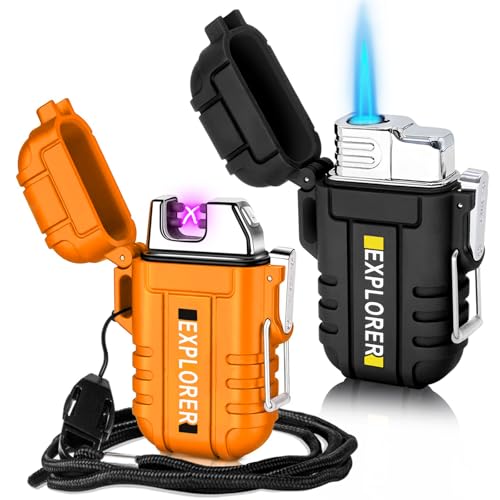
2 Pack Waterproof Lighter Outdoor Windproof Torch Lighters Dual Arc Butane Electric Lighters USB Rechargeable Lighters Flameless Plasma Lighter Camping Hiking Adventure Survival Tactical Gear Best for most families
- Waterproof sealing prevents moisture ingress, protecting fuel and ignition in rain, snow, and splashes.
- Wind-resistant design shelters the flame or spark, improving tinder ignition in adverse weather.
- Enables heat, drying, and signaling; boiling water kills most pathogens in emergencies.
- Durable build reduces failure points, supporting dependable fire-starting when cold, wet, or under stress.
 info@emerggear.com