Work Gloves
Why you need this: You need this emergency gear to protect your family and stay self-reliant when power, supplies, and help disappear.Work Gloves: Essential Hand Protection for Jobs, Emergencies, and Everyday Tasks
Work gloves are protective handwear designed to shield your hands from cuts, abrasions, punctures, impact, heat, cold, dirt, and grime while improving grip and control. Whether you are cleaning up after a storm, changing a tire at night, handling sharp debris, or tackling a weekend build, the right pair of work gloves helps protect your most valuable tools—your hands—so you can work safer and longer.
Why does this matter? Hands are involved in nearly every task, and even minor injuries can interrupt your work, slow down home projects, or complicate emergency response. Quality work gloves reduce injury risk, maintain dexterity, and provide the friction and padding you need to keep a steady hold on tools and materials. In emergencies and everyday accidents alike, they add a critical barrier between you and hazards such as broken glass, hot surfaces, jagged metal, rough lumber, and contaminated surfaces.
In short, work gloves enhance safety, performance, and confidence. They help you move debris, handle tools, and manage tasks efficiently so you can focus on the job instead of worrying about scrapes and slips.
How It Works
Work gloves protect by combining the right materials with smart construction. A glove’s palm, fingers, back, and cuff are engineered to deflect hazards while preserving dexterity and touch. Different fibers, leathers, coatings, and padding work together to create a protective envelope that still lets you grip, lift, twist, and carry.
- Barrier protection: Layers of fabric, leather, or composite fibers reduce cuts, abrasions, and punctures from sharp edges and rough surfaces.
- Grip and control: Textured palms, palm coatings, and reinforcements increase friction and reduce slippage—especially when handling wet, oily, or dusty items.
- Impact and vibration damping: Strategic padding and knuckle guards help disperse force from impacts and repetitive tool vibration.
- Thermal and weather performance: Insulation retains warmth in the cold; breathable fabrics help release heat and moisture in warm conditions; some designs resist light rain and splashes.
- Ergonomics: Pre-curved fingers, gussets, and flexible panels reduce hand fatigue and maintain dexterity so you can thread screws, tie knots, or operate equipment controls.
- Cuff designs: Knit wrists keep debris out; safety cuffs and gauntlets provide quick removal and extended forearm coverage when needed.
When Work Gloves Help Most
- Natural disasters and storm cleanup: Handling broken glass, twisted metal, splintered wood, and soggy debris after high winds, floods, or earthquakes.
- Home accidents and repairs: Picking up shattered dishes, removing sharp yard waste, sanding, painting prep, plumbing fixes, and moving appliances or furniture.
- Workplace tasks: Construction, carpentry, roofing, metalwork, warehousing, landscaping, masonry, HVAC, and general maintenance where abrasion, pressure, and pinch points are common.
- Vehicles and roadside emergencies: Tire changes, jump-starts, fluid checks, recovery straps, and loading/unloading cargo without tearing your hands.
- Outdoor activities and recreation: Camping, hiking, towing trailers, splitting firewood, handling ropes, and building shelters or fences.
Strengths, Suitability & Limitations
Strengths
- Reduce cuts, scrapes, blisters, and splinters during heavy or repetitive tasks.
- Enhance grip for safer tool handling and material control, even in wet or oily conditions.
- Add padding and impact protection to knuckles and palms where contact is likely.
- Provide warmth or breathability depending on the season, improving comfort and endurance.
- Help keep hands clean and reduce contact with grime, rust, and non-hazardous contaminants.
What It’s Not For
- Not suitable for high-voltage electrical work unless specifically rated for electrical protection.
- Not designed for chemical immersion or hazardous liquids without the proper chemical-resistant materials and ratings.
- Not a substitute for specialized PPE (e.g., firefighting, extreme-heat foundry work, sterile medical tasks, rope rescue, or fall protection).
- Not intended for climbing or life-safety applications.
Limitations and safety considerations
- Gloves that are too loose can catch in moving machinery; too tight can restrict circulation and dexterity.
- Wet or worn palms may reduce grip—inspect before use and replace when degraded.
- Some coatings or fibers can be sensitive to heat, solvents, or UV exposure; store appropriately.
- Latex sensitivity is possible for some users; choose alternatives if irritation occurs.
- Always match glove type and rating to the hazard; using the wrong glove can create a false sense of security.
What to Look For When Buying a Work Gloves
Choosing the right work gloves is about balancing protection, dexterity, and comfort for your tasks and environment. Focus on essentials that demonstrate quality, durability, and a safe fit.
- Fit and sizing: Measure your hand and select a size that fully seats your fingers without bunching. A snug but not tight fit supports dexterity and reduces fatigue.
- Material selection:
- Leather: Durable and abrasion-resistant; good for handling rough materials and general construction.
- Synthetic blends: Lightweight with good flexibility; often include microfiber or engineered yarns for dexterity and cut resistance.
- Palm coatings: Nitrile, polyurethane, or similar coatings enhance grip and wear life on slick or abrasive surfaces.
- Cut-resistant fibers: High-performance yarns deliver rated protection without excessive bulk—match the cut level to the job.
- Protection ratings: Look for recognized standards for cut, abrasion, puncture, impact, and heat where applicable (for example, widely used frameworks such as ANSI/ISEA or EN ratings). Verify markings and documentation.
- Reinforcements and stitching: Double-stitched seams, reinforced fingertips, and padded palms extend glove life in high-wear zones.
- Grip pattern: Textured or micro-finish palms help with wet or oily objects; smooth palms favor fine control.
- Thermal performance: Choose insulated, fleece-lined, or wind-resistant gloves for cold weather; opt for breathable, moisture-wicking fabrics for hot conditions.
- Cuff style: Knit wrists keep debris out; safety cuffs offer quick removal; gauntlet cuffs add forearm coverage.
- Dexterity versus protection: Thicker gloves protect more but reduce feel; thinner gloves improve finesse but may offer lower protection. Match to your primary tasks.
- Touchscreen compatibility: Helpful for accessing devices without removing gloves during fieldwork.
- Washability and care: Easy-to-clean materials save time and reduce odors; check guidance for leather versus synthetic care.
- Quality indicators: Even stitching, consistent sizing, clear labeling, and sturdy closures suggest better longevity.
- Watch out for imitations: Be cautious of poorly labeled items that claim high protection without verifiable ratings, have strong chemical odors, uneven seams, or inconsistent materials.
Placement, Storage & Readiness
To get the most from your work gloves, treat them like essential gear you can access quickly and maintain reliably.
- Strategic placement: Keep a dedicated pair in your vehicle, toolbox, home emergency kit, and near outdoor equipment. Store a spare set where you do routine work.
- Dry, dark storage: Heat, sunlight, and ozone can degrade materials. Store in a cool, dry place away from direct sun and engines.
- Clean and dry after use: Shake out debris. Wipe or wash according to material guidance, then air-dry fully to prevent mildew.
- Routine inspection: Check palms, seams, fingertips, and closures for wear or cracking. Replace gloves with thinning palms, holes, or loose stitching.
- Labeling and rotation: Mark pairs by task (e.g., “yard,” “shop,” “vehicle”) and rotate to extend life.
- Conditioning leather: If applicable, use an appropriate leather conditioner sparingly to keep them supple; avoid over-saturation.
- Avoid cross-contamination: Keep dirty or oily gloves away from clean supplies and interiors; bag them until washed.
- Common mistakes to avoid: Leaving gloves wet, storing near solvents, using one pair for every hazard, or ignoring size and fit.
How to Use It Properly
- Assess the task and identify primary hazards (sharp edges, impact risk, heat/cold, liquids).
- Select the pair of work gloves designed for those hazards and environmental conditions.
- Inspect both gloves for holes, thinning fabric, cracked leather, loose stitching, or compromised coatings.
- Clean or dry your hands if needed, then insert fingers fully and seat the gloves; adjust closures so the glove is snug but not tight.
- Check wrist coverage and tuck sleeves if required to keep debris out.
- Use safe techniques: maintain a firm grip, watch pinch points, and never place gloved hands near unguarded moving parts.
- Monitor conditions. If the glove becomes wet, slippery, or damaged, pause and replace or switch pairs.
- Remove gloves safely by peeling from the cuff, avoiding contact with contaminated surfaces.
- Clean according to material guidance, then air-dry completely before storing.
- Return the gloves to their designated location so they’re ready for the next job or emergency.
Safety reminder: Always choose gloves rated for the hazards you face. For electrical, chemical, or extreme-heat tasks, use specialized, properly certified gear.
Final Summary
Work gloves are a small investment with outsized benefits: better protection, stronger grip, and fewer interruptions from preventable injuries. Keep a pair where you work, another in your vehicle, and a backup in your home kit so you’re always ready to handle the unexpected—be it a weekend build, a roadside tire change, or storm cleanup on a tough day.
Choose carefully, maintain consistently, and replace when worn. With the right work gloves, you protect your hands, extend your endurance, and complete tasks with greater confidence. Preparation starts with protecting your most important tools—your hands.
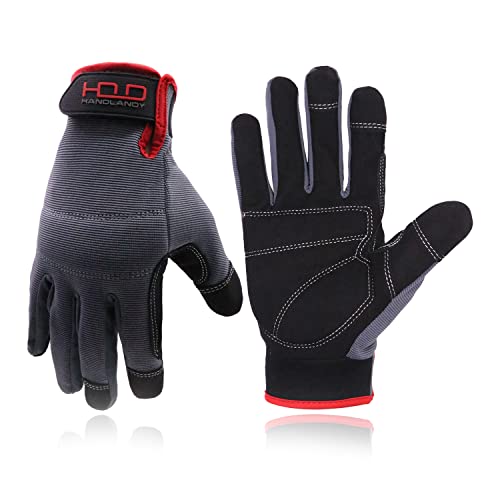
HANDLANDY Work Gloves for Men & Women, Utility Mechanic Working Gloves Touch Screen, Flexible Yard Work Gloves Best for most families
- Cut and puncture resistance protects against glass shards, nails, and splintered wood.
- High-friction palms improve grip on wet tools, preventing drops and secondary injuries.
- Select ANSI/EN 388-rated models to match cut, abrasion, and impact hazards.
- Reduces wound contamination and infection risk when handling debris and sharp edges.
 info@emerggear.com