Air Pump
Why you need this: In emergencies, mobility matters; this foot pump restores tire pressure so you can evacuate and protect your family.Air Pump: Reliable Inflation for Everyday Needs and Emergencies
An air pump is a compact device designed to move and compress air so you can inflate tires, sports balls, mattresses, and other inflatables quickly and safely. In everyday life, a dependable air pump saves time, improves safety, and helps you maintain equipment performance. During emergencies—such as roadside flats, power outages that shut down service stations, or sudden temperature drops—it becomes a critical tool for mobility, comfort, and preparedness.
Why it matters: properly inflated tires help maintain vehicle control, reduce stopping distances, and improve fuel efficiency. At home or outdoors, a portable air pump makes short work of inflating sleeping pads, bike tires, strollers, wheelbarrows, and emergency gear. A small investment today can prevent bigger headaches tomorrow by providing fast, independent inflation wherever you are.
Whether you’re a commuter, cyclist, camper, homeowner, or facilities manager, having an air pump within reach means you can solve small problems before they become big ones. From topping up low pressure to restoring a slow-leaking tire long enough to reach professional help, this simple tool offers outsized value.
How It Works
At its core, an air pump pulls in ambient air through an intake, compresses it using a moving mechanism, and sends it through a hose into your tire or inflatable. The two most common designs are:
- Manual pumps (hand or foot): A piston or diaphragm moves inside a cylinder with each stroke, generating pressure. These are simple, durable, and don’t require electricity.
- Electric pumps (corded or battery-powered): A motor drives a piston or diaphragm to compress air continuously. Many include a pressure gauge and auto shut-off to prevent overinflation.
Key points to understand:
- Pressure vs. flow: High-pressure pumps reach higher PSI for tires; high-volume pumps move lots of air quickly for items like air mattresses but typically at low PSI.
- Valves and adapters: Tire valves are usually Schrader or Presta; sports gear may use needles; many inflatables need specific nozzles. Ensure the included adapters match your needs.
- Power options: 12V DC (vehicle socket), AC mains, USB-rechargeable battery packs, or purely manual operation cover most scenarios.
- Duty cycle and cooling: Electric pumps generate heat during use. Respect the recommended on/off intervals to avoid overheating.
- Gauges: Analog or digital gauges help you monitor pressure. Accuracy varies, so periodic verification is wise.
- Basic safety: A check valve prevents backflow; filters help keep debris out; thermal cutoffs protect the motor.
When the air pump Helps Most
- Natural disasters: Top up vehicle tires when stations are closed, keep emergency carts rolling, and inflate sleeping pads or emergency inflatables at temporary shelters.
- Home accidents: Restore pressure after fixing a slow leak in a stroller, hand truck, or wheelbarrow; re-inflate sports balls quickly before an event or practice.
- Workplace situations: Maintain carts, dollies, and utility tires to reduce downtime; manage packaging inflatables for shipping; support facility preparedness kits.
- Vehicles: Handle slow leaks long enough to reach service, manage seasonal pressure drops, and maintain spare tires, motorcycles, scooters, and trailers.
- Outdoor activities: Inflate camping mattresses, beach inflatables, and certain small watercraft; keep bike tires at optimal pressure for safer rides on commutes or trails.
- Cold-weather mornings: Compensate for pressure loss as temperatures fall, ensuring safe handling and preventing tire damage.
- Travel: Road trips, rental cars, or remote areas where services are sparse—an air pump adds resilience and peace of mind.
Strengths, Suitability & Limitations
Strengths
- Portability: Compact and easy to store in a trunk, backpack, or tool cabinet.
- Versatility: Works for car, bike, and scooter tires, sports equipment, and many household inflatables.
- Safety and savings: Correct tire pressure improves control, reduces wear, and enhances fuel economy—avoiding unnecessary service calls.
- Independence: Operate without relying on open service stations, especially valuable during storms or holidays.
- Ease of use: Many models feature auto shut-off, integrated lights, and user-friendly gauges.
What It’s Not For
- Not a substitute for industrial compressors powering continuous-use pneumatic tools.
- Not for breathing air, medical applications, or flammable gases.
- Not ideal for very large inflatables (e.g., large pools) unless designed for high volume—risk of overheating small portable units.
- Not appropriate for seating large truck tire beads or heavy-duty commercial tires that require specialized equipment.
Limitations and safety considerations
- Duty cycle: Electric pumps need rest periods; follow the manual to prevent overheating.
- Gauge accuracy: Expect small variances; verify with a trusted gauge if precision is critical.
- Noise and vibration: Normal for compact compressors; place on stable ground to reduce movement.
- Battery and temperature effects: Cold weather can reduce battery performance; store accordingly.
- Overinflation risk: Inflate tires when cold and follow the manufacturer’s recommended pressure.
- Valve care: Avoid cross-threading; ensure a snug, not overtightened, connection.
What to Look For When Buying an air pump
Focus on quality, compatibility, and safety. A reliable air pump should match your most common use cases and include protection features that prevent damage to the pump or your gear. Beware of low-quality imitations that promise unrealistic specifications or lack essential safety information.
- Performance: Match max pressure (PSI/bar) and flow rate (L/min or CFM) to your needs. Tires require higher pressure; mattresses require higher volume. Faster flow means quicker inflation but not necessarily higher pressure.
- Power source: Decide between manual, 12V DC, AC-powered, or cordless. Vehicle-based 12V units are convenient on the road; cordless is flexible; manual is fail-safe.
- Gauge and controls: A clear, accurate gauge (analog or digital), preferably with auto shut-off, reduces overinflation risk.
- Valve compatibility: Support for Schrader and Presta is essential for most tires; look for included ball needles and inflatable nozzles.
- Hose and chuck quality: Durable, leak-resistant connections (threaded or solid lock-lever chucks) and braided hoses improve longevity.
- Build durability: Sturdy housings, metal components in high-stress areas, rubber feet for stability, and effective venting/heat management all matter.
- Safety features: Thermal protection, fuse/overcurrent protection, pressure relief, and clear safety labeling; look for recognized compliance marks appropriate for your region.
- Ease of use: Backlit displays, intuitive controls, LED work lights, and organized onboard storage for accessories improve real-world usability.
- Battery considerations (if cordless): Capacity, charge time, expected runtime, and availability of user-replaceable batteries.
- Serviceability: Availability of spare valves, hoses, filters, and fuses can extend life and value.
- Red flags: Overstated PSI claims, missing safety details, flimsy hoses or chucks, vague manuals, and inconsistent or purely promotional claims about performance.
Placement, Storage & Readiness
Store your air pump where you can access it quickly. In vehicles, place it in the trunk side pocket, under a seat, or with your roadside kit. At home, keep it in a garage cabinet, hall closet, or emergency supply bin. The goal is immediate access under stress.
- Environment: Keep it dry, dust-free, and away from excessive heat or direct sunlight. Avoid crushing hoses or cables.
- Inspection routine: Test monthly. Verify the pump turns on, the gauge reads plausibly, and adapters fit correctly. Replace worn seals and damaged hoses.
- Battery care: For cordless units, maintain charge between manufacturer-recommended levels; avoid storing fully depleted.
- Staging: Store with adapter set, ball needle, spare fuses, spare valve cores, caps, a standalone tire gauge, gloves, and a small patch kit.
- Cold climates: Keep the pump and batteries inside the cabin or a warm bag when possible to preserve performance.
- Labeling and documentation: Keep a short quick-start card and pressure references (e.g., vehicle tire pressures) with the unit.
Common mistakes to avoid include not testing before trips, misplacing valve adapters, running the pump continuously past its duty cycle, and storing it where it’s hard to reach in an emergency.
How to Use It Properly
- Prepare the area: Park safely off traffic, engage the brake, and turn on hazard lights if roadside. Keep bystanders, especially children, at a safe distance.
- Check recommended pressure: Refer to the manufacturer’s guidance for the item you are inflating. For vehicles, use the specification label from the maker rather than the maximum shown on the tire sidewall.
- Inspect the valve and item: Look for punctures or damage and remove any debris. Replace damaged valve caps after use to protect the core.
- Attach the correct adapter: Choose Schrader, Presta, needle, or inflatable nozzle. Make a snug connection to prevent leaks, avoiding overtightening.
- Set target pressure (if available): On digital pumps, input the desired PSI/bar. On manual or analog setups, plan to watch the gauge closely.
- Inflate in stages: Power the pump or begin pumping. Monitor the gauge as pressure rises. For electric units, respect the duty cycle—pause to cool if the housing becomes hot.
- Verify pressure: Stop at or just before the target, then check with the built-in or a separate gauge. Make minor adjustments if necessary.
- Detach and secure: Remove the connector straight off the valve to minimize air loss. Reinstall the valve cap to protect the core from dust and moisture.
- Stow and cool: Allow an electric pump to cool before packing. Coil hoses gently to avoid kinks.
- Follow up if there’s a leak: If pressure drops again quickly, seek professional inspection and repair. Temporary inflation is not a substitute for fixing punctures or structural damage.
Safety reminders: Do not exceed the pump’s ratings, keep the hose clear of moving parts, avoid use near flammable vapors, and never leave an inflating item unattended.
Final Summary
An air pump is a small, powerful addition to your gear that delivers control, convenience, and confidence. From everyday upkeep to unexpected roadside events, it helps you solve problems fast and stay mobile when it matters most.
Choose a unit that matches your needs, store it where you can grab it quickly, and test it regularly so it’s ready when you are. By focusing on quality, compatibility, and safety, you’ll gain a reliable inflation solution that supports your home, vehicle, and adventures year-round.
Preparedness starts with simple tools used well—an air pump is one of the simplest and most effective you can own.
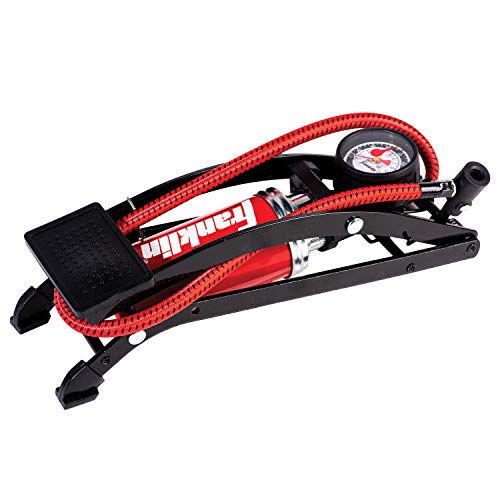
Franklin Sports Foot Air Pump for Balls, Bikes, Inflatables and More - High-Pressure Foot Pedal Air Pump - Compact Heavy Duty Best for most families
- Restores vehicle and bicycle tire pressure for safer handling, braking, and fuel efficiency during evacuations.
- Pairs with tire plugs to seal punctures, re-pressurize, and verify repairs with soapy-water checks.
- Inflates medical air splints and sleeping pads, improving stabilization and insulation in cold shelters.
- Portable designs run by hand or vehicle 12V, allowing operation without grid power.
 info@emerggear.com