Be ready for what the road — and the world — throws at you. A car diagnostic tool turns uncertainty into clear, actionable information in seconds. Whether you’re evacuating during a storm, navigating a power outage, or dealing with an everyday breakdown, it helps you quickly understand what your vehicle needs so you can make the safest, smartest next move.
Why a car diagnostic tool belongs in every vehicle:
- Brings instant clarity when warning lights appear, even far from help.
- Triages issues during disasters and emergencies so you know if you can continue safely or need to stop.
- Saves time and stress by translating engine codes and live data into clear insights.
- Supports better decisions when calling roadside assistance or coordinating with responders.
- Works without mobile service and can operate from your vehicle’s power — ideal when infrastructure is down.
In disasters and emergencies, information is momentum. When every minute matters, a car diagnostic tool helps you quickly assess vehicle health:
- Evacuation readiness: Scan before you depart to spot battery or charging issues that could stall your escape route.
- Post-storm checks: Identify water-intrusion related faults, sensor failures, or misfires after flooding and debris exposure.
- Fuel and air monitoring: Use live data to confirm the engine is getting the basics it needs for a stable idle while you plan next steps.
- Battery and alternator insights: Verify charging performance after a jump-start so you don’t get stranded again.
- Clear minor codes after fixes: Safely reset non-critical alerts once you’ve corrected the cause, restoring normal operation and focus.
- Offline capability: Access stored code definitions and data without an internet connection.
In a chaotic environment, that clarity can be the difference between moving forward confidently and losing precious time guessing.
Everyday roadside emergencies, simplified. A car diagnostic tool turns frustrating surprises into manageable tasks:
- Check engine light on? Read the code, see the description, and understand urgency.
- Rough running or stalling? Pinpoint misfires and sensor issues to avoid unnecessary part swaps.
- Battery trouble? Check voltage and charging values to know if it’s the battery, alternator, or something else.
- Before a long drive: Run a quick scan to catch small issues before they become trip-ending problems.
- After DIY maintenance: Verify that systems are back in range and readiness monitors complete.
How it works in the moment:
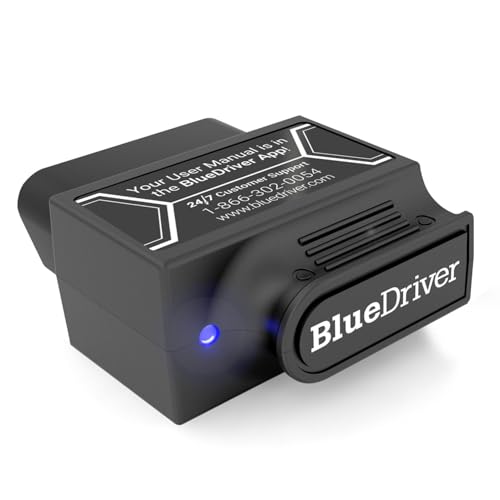
- Locate the OBD-II port (usually under the dashboard) and plug in the car diagnostic tool with the ignition on or engine running as directed.
- Read fault codes and live data; review plain-language descriptions and key metrics (like temperature, airflow, and voltage).
- Decide your next move: continue driving cautiously, pull over, call for help, or confirm a quick fix you’ve already performed.
This process typically takes less than a minute and requires no special tools beyond the device itself.
What you can see in seconds:
- Engine fault codes with descriptions and freeze-frame data (a snapshot of conditions when the fault occurred).
- Live sensor values: coolant temperature, oxygen sensor activity, fuel trims, RPM, airflow, throttle position, and more.
- Readiness monitor status to check if systems have completed self-tests after a repair or battery change.
- Battery and charging health indicators for fast go/no-go decisions.
- In many vehicles, access to additional systems like ABS and airbag modules (availability varies by make, year, and protocol).
Compatibility note: Most vehicles built from the mid-1990s onward feature an OBD-II port. Some features vary by vehicle design and region.
Built for real-world conditions:
- Fast start-up with clear on-screen explanations for common codes.
- Rugged, glove-friendly controls for use in rain, cold, or low-light conditions.
- Long cable or wireless options for flexible positioning in tight spaces.
- Offline code libraries so you’re not dependent on network access.
- Low power draw to preserve vehicle battery when parked.
Make it part of your go-bag:
- Store with your first-aid kit, flashlight, jump starter, and tire inflator.
- Add a laminated quick-reference card with your vehicle’s fuse locations and OBD-II port position.
- Test it monthly; run a quick scan before long trips or forecasted severe weather.
- Keep a compact notepad to jot code numbers and conditions if your phone is unavailable.
Better decisions, fewer surprises:
- Reduces unnecessary tows by confirming when continued travel is reasonable.
- Speeds up professional help by giving you the right words to describe the issue.
- Protects your budget by catching small problems before they escalate.
- Gives new drivers confidence and helps families coordinate during evacuations.
Frequently asked questions
Does it require internet? No. A car diagnostic tool reads your vehicle directly. Many include built-in code descriptions, so you can interpret results without reception.
Can it fix problems automatically? It doesn’t repair parts, but it points you to the cause. You can clear codes after a real fix or to see if an issue recurs. If a critical safety fault appears, avoid driving and seek professional help.
Is it safe to use during a disaster? Yes, when used safely off the roadway and away from immediate hazards. Do not perform diagnostics in floodwater, near downed power lines, or in active fire zones.
Will it work with my vehicle? Most gasoline and many diesel vehicles with an OBD-II port are compatible. Features beyond engine diagnostics vary by vehicle.
Can it help me decide whether to keep driving? It provides data (codes, temperatures, voltages) that inform that decision. If the tool indicates critical issues like overheating, low oil pressure, or airbag faults, stop and get assistance.
Add certainty to your preparedness plan. When time is short and conditions are changing, a car diagnostic tool gives you the visibility to act decisively. Place one in your glove box or go-bag today so you can stay calm, stay mobile, and stay safe — in everyday breakdowns and in the moments that matter most.
 info@emerggear.com