First Aid Kit
Why you need this: Because emergency services can be delayed after disasters, a comprehensive first aid kit lets you handle injuries and protect your family.First Aid Kit: A Complete, Practical Guide for Everyday Readiness
A first aid kit is a compact, organized collection of medical essentials designed to provide rapid, clean, and effective care for minor injuries and to stabilize more serious conditions until professional help arrives. From kitchen mishaps to roadside scrapes and storm-related injuries, a well-chosen and well-maintained first aid kit turns anxiety into action by giving you the right tools in the right place at the right time.
Why it matters is simple: minutes count. Treating a cut properly can reduce infection risk, applying pressure quickly can slow bleeding, and having gloves and a barrier device can protect both the injured person and the responder. A first aid kit helps you respond to everyday accidents and larger emergencies alike—at home, at work, on the road, or outdoors—so you can do the most good, as safely as possible.
Used with basic know-how and common sense, a first aid kit empowers you to control bleeding, clean and cover wounds, stabilize minor sprains, protect against contamination, and keep someone more comfortable until advanced care is available. It’s not a substitute for medical expertise—but it is a critical first line of defense that supports better outcomes.
How It Works
A first aid kit works by consolidating essential supplies into an organized, easy-to-access package. Its effectiveness comes from preparedness and organization: when supplies are clearly labeled, sterile, and logically grouped, you can act faster and with more confidence. Most kits are built around a few core functions:
- Barrier protection: Gloves, masks, and hand-cleaning items reduce cross-contamination and protect everyone involved.
- Bleeding control: Gauze pads, rolled gauze, and bandages help you apply direct pressure and secure dressings.
- Wound cleaning and coverage: Saline or clean water, antiseptic wipes (for skin around wounds), and non-adherent dressings reduce debris and protect healing tissue.
- Stabilization: Elastic wraps, triangular bandages, and splints help immobilize minor sprains or support injuries.
- Relief and comfort: Cooling packs, burn dressings, and simple skin-protective items improve comfort while you wait for help.
- Tools: Blunt-tip shears, tweezers, safety pins, tape, and a CPR barrier device enable safer, more precise care.
- Information: A quick-reference guide and an inventory list help you act systematically and restock promptly.
In short, the kit brings order to stressful moments. When supported by basic training and calm decision-making, it helps you work cleanly, prioritize bleeding control, prevent further harm, and direct the injured person to appropriate care.
When The First Aid Kit Helps Most
- Natural disasters: After earthquakes, hurricanes, wildfires, or floods, minor injuries are common and healthcare access may be delayed. A stocked kit helps manage cuts from debris, blisters from evacuation, and minor burns.
- Home accidents: Kitchen knife cuts, splinters, slips in the yard, and small burns from hot surfaces benefit from immediate cleaning, covering, and protection.
- Workplace incidents: From office paper cuts to workshop nicks and minor chemical splashes, quick care reduces infection risk and downtime. Many workplaces also have specific first aid requirements.
- Vehicles and road trips: Broken glass injuries, scraped knuckles during roadside tire changes, or motion-related bumps call for easy-to-reach supplies in the car.
- Outdoor activities: Hiking, camping, fishing, team sports, and cycling can involve blisters, bites, minor falls, weather exposure, and small lacerations.
- Travel: Unfamiliar environments and limited access to care make a travel-friendly kit invaluable for everyday mishaps.
- Families with kids or older adults: Fragile skin, medication concerns, and increased fall risk make clean, quick care especially important.
Strengths, Suitability & Limitations
Strengths
- Immediate readiness: Supplies are pre-gathered and organized for fast action.
- Versatility: One kit covers many scenarios—cuts, scrapes, minor burns, blisters, and mild sprains.
- Hygiene and protection: Gloves and clean dressings lower infection risk for both the responder and the injured person.
- Portability: Compact cases travel easily to the field, home, office, or car.
- Confidence and calm: Clear labels and a simple guide support better decisions under pressure.
What It’s Not For
- Replacing professional care: Severe bleeding, breathing difficulties, chest pain, stroke symptoms, major burns, fractures with deformity, or heavy head/neck injuries require emergency services.
- Diagnosing medical conditions: A first aid kit supports basic care; it doesn’t provide diagnosis.
- Advanced procedures: Suturing wounds, administering injections, or using prescription medications are outside the scope of basic first aid.
Limitations and safety considerations
- Allergies and sensitivities: Ask about allergies to latex, adhesive, or antiseptics before use when possible.
- Expiry and sterility: Dressings, solutions, and cream packets can expire; replace them on schedule.
- Environmental stress: Heat, cold, and moisture can degrade tape and packaging—store appropriately.
- Medication caution: Use only over-the-counter items as directed on their labels; do not give prescription medications unless they are the person’s own and directed by a professional.
- Training matters: Specialized tools (e.g., tourniquets) should be used only if trained and according to local guidelines.
What to Look For When Buying a First Aid Kit
The best first aid kit is one you’ll actually carry, understand, and maintain. Focus on quality components, clear organization, and a size that fits your life. Consider the following:
- Coverage for your environment: Home, office, car, or backcountry use each benefit from slightly different contents. Outdoor kits often include blister care and sturdy tools; car kits benefit from high-visibility cases.
- Quality materials: Choose sterile, clearly labeled dressings, non-adherent pads, strong adhesive tape, and durable nitrile gloves (often preferred over latex for allergy reasons).
- Durable case: A rugged, water-resistant case with reliable zippers or latches protects supplies. Hard cases offer crush protection; soft cases may pack more efficiently.
- Smart organization: Compartments or color-coded modules, bold labels, and an inventory checklist speed up care and restocking.
- Essential tools: Blunt-tip shears that cut fabric, tweezers with fine tips, triangular bandage, elastic wrap, safety pins, and a CPR barrier device.
- Clear instructions: A simple, step-by-step quick guide for basic first aid builds confidence during stressful moments.
- Visibility and identification: High-contrast colors and recognizable first aid markings help everyone find the kit quickly.
- Right size, right weight: A compact kit for day trips, a fuller kit for home or vehicle, and modular options if you want to scale up for groups.
- Compliance and manufacturing quality: Look for kits that indicate adherence to recognized first aid supply guidelines or quality management standards for medical devices.
Watch out for low-quality imitations:
- Expired or missing expiration dates and lot numbers on sterile items.
- Very thin gauze, weak adhesive tape, or bandages that won’t stick.
- Unlabeled ointments or pills, or unclear ingredient lists.
- Poorly sewn cases, flimsy zippers, or disorganized interiors that slow you down.
- Vague claims like “tactical” or “military grade” without specifics on materials or contents.
Placement, Storage & Readiness
Where you keep your first aid kit is as important as what’s inside. The goal is fast access, clear visibility, and reliable supplies when you need them.
- Home: Store in a central area known to everyone—near the kitchen or main living space. Avoid steamy bathrooms that can degrade adhesives and packaging.
- Workplace: Place kits in clearly marked locations, near high-traffic areas or safety stations. Make sure team members know the locations.
- Vehicle: Keep the kit secured but reachable from the passenger area. Extreme heat can affect some items; consider a case that handles temperature swings.
- Outdoors/travel: Carry a compact version in your backpack or day bag, and keep it waterproofed with a dry bag or water-resistant case.
Inspection and maintenance:
- Set a reminder to inspect monthly or quarterly, depending on use and environment.
- Replace expired or damaged items promptly; restock anything you used.
- Stage critical items—like gloves, gauze, and bandages—so they’re the first things you see when you open the kit.
- Keep a simple inventory checklist and mark dates when you review and replace supplies.
Avoid common mistakes:
- Don’t bury the kit under gear—make it obvious and easy to grab.
- Don’t store solely in the bathroom; humidity shortens the life of adhesives and sterile packaging.
- Don’t let multiple people rearrange items without updating the checklist; consistency saves time in emergencies.
- Don’t forget to customize for your household (e.g., known allergies, personal medications kept separate as directed by a clinician).
How to Use It Properly
- Check the scene for safety. Ensure there are no ongoing hazards to you or the injured person. If the area is unsafe, move to safety and call emergency services.
- Protect yourself. Put on gloves or a barrier if available. Wash or sanitize hands if possible.
- Call for help when needed. For serious injuries, breathing trouble, heavy bleeding, chest pain, stroke symptoms, or major burns, call your local emergency number immediately.
- Introduce yourself and get consent. If the person is conscious, explain what you plan to do and ask permission to help. If they refuse care and it’s not life-threatening, respect their decision.
- Identify the main problem. Look for bleeding, visible wounds, swelling, deformity, or burns. Ask about allergies and what happened.
- Control bleeding first. Apply firm, direct pressure with sterile gauze. If blood soaks through, add more gauze on top and continue pressure. Secure with a bandage when bleeding slows. Use advanced devices only if you’re trained and local guidance recommends it.
- Clean and cover minor wounds. Rinse with clean water or saline to remove visible dirt. Pat surrounding skin dry, apply a clean dressing, and secure with tape or a bandage. Avoid using harsh chemicals in the wound itself.
- Care for burns. Cool the burn with cool (not icy) running water for 10–20 minutes. Cover loosely with a sterile, non-adherent dressing. Seek medical care for large, deep, or facial burns.
- Stabilize sprains or strains. Rest the area, apply a cold pack wrapped in cloth, use an elastic wrap for gentle compression (not too tight), and elevate if comfortable.
- Use tools carefully. Cut clothing around injuries with blunt-tip shears rather than pulling. Use tweezers for visible splinters or debris on the surface; don’t probe deeply.
- Monitor and document. Note changes in pain, color, swelling, bleeding, and consciousness. Share this information with medical professionals when they arrive.
- Clean up and restock. Dispose of used items safely, wash your hands, and replace what you used. Record any supplies that need to be ordered.
Safety reminders: This guide is educational and not a substitute for professional training or medical advice. When in doubt—especially with severe symptoms—seek professional care promptly.
Final Summary
A first aid kit is a small investment that delivers outsized peace of mind. It helps you act quickly, work cleanly, and protect the people you care about when minor injuries happen—or when something more serious occurs and every second counts. The best kit is the one you can reach fast, understand instantly, and keep stocked and ready.
Choose a kit that fits your environment, prioritize quality components and clear organization, store it where it’s easy to access, and maintain it on a schedule. Pair your kit with basic first aid training for maximum confidence. With a reliable first aid kit at hand, you turn uncertainty into preparedness and give yourself the power to help safely, effectively, and immediately.
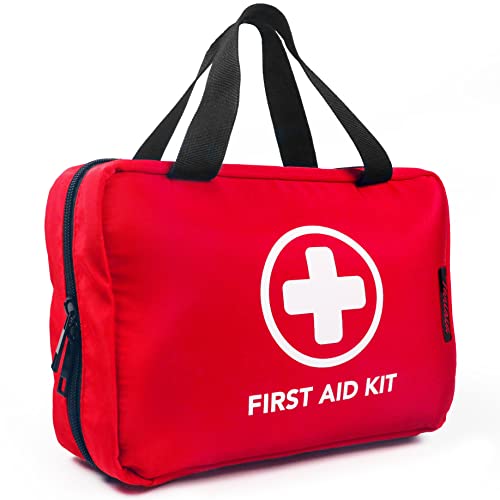
330 Piece First Aid Kit, Premium Waterproof Compact Trauma Medical Kits for Any Emergencies, Ideal for Home, Office, Car, Travel, Outdoor, Camping, Hiking, Boating (Red) Best for most families
- Addresses leading preventable deaths: severe bleeding and airway compromise.
- Clear organization enables fast retrieval under stress and low light.
- Thermal blanket and dressings help limit hypothermia and shock.
- Durable, water-resistant case protects supplies in rain, dust, and debris.
 info@emerggear.com