Hammer and Axe
Why you need this: You need a hatchet to cut firewood, build shelter, and clear debris so your family stays safe when disasters cut off help.Hammer and Axe: A Practical Guide for Everyday Use and Emergency Preparedness
The hammer and axe are time-tested hand tools that combine raw power, control, and versatility. Whether carried as a compact hatchet with a hammer poll, kept as a matched pair in the garage, or staged in a vehicle kit, these tools shine when you need to drive, cut, break, or clear without electricity or complex equipment. In emergencies and everyday accidents alike, a well-chosen, well-maintained hammer and axe help you handle tasks ranging from light demolition and fastening to wood processing and debris removal.
Why does this matter? Because the moments that truly count—storms, power outages, roadside breakdowns, or sudden home repairs—often demand simple tools that just work. A hammer and axe offer dependable performance you can trust: they’re mechanically straightforward, easy to maintain, and effective across many scenarios. With proper training and safe handling, they become cornerstones of a practical preparedness plan.
How It Works
A hammer delivers concentrated impact through a hardened face, transferring the momentum of your swing to a nail, chisel, or target surface. An axe uses a sharpened wedge that converts your swing into a split, chop, or hewing action, guiding material apart along the grain or across it. Many compact axes (often called hatchets) feature a flat poll opposite the blade for hammering light stakes, making one tool effective for both pounding and cutting tasks.
- Impact mechanics (hammer): Energy comes from mass and velocity; a balanced head and the right handle length help you strike accurately with less fatigue.
- Wedge mechanics (axe): The blade profile (thin for chopping, wider for splitting) determines how cleanly it bites and releases from wood.
- Handle and grip: Wood, fiberglass, or steel/fiber-wrapped handles control vibration and influence comfort, shock absorption, and durability.
- Heat-treated steel: Properly hardened heads resist mushrooming, rolling, or chipping, preserving both edge retention (axe) and striking surface integrity (hammer).
- Control and safety: A textured grip, a well-fitted head, and a protective sheath or cover reduce slips, glancing blows, and accidental cuts.
When the Hammer and Axe Help Most
- Natural disasters: Clearing small branches and debris after storms; securing tarps and temporary coverings; cutting kindling when power tools are unavailable.
- Home accidents: Removing damaged trim or drywall during quick fixes; pulling nails safely; light interior demolition for urgent plumbing or wiring access.
- Workplace situations: Construction, facilities maintenance, and fieldwork where reliable, non-powered tools are essential for fastening, framing, and material prep.
- Vehicles: Staging tools for roadside emergencies—e.g., driving temporary stakes or clearing small obstructions; in critical situations, breaking tempered glass on side windows (not laminated windshields) if escape is necessary and legal.
- Outdoor activities: Camping and homestead tasks like splitting kindling, setting tent stakes, processing small firewood, and building simple structures.
Strengths, Suitability & Limitations
Strengths
- Versatile: One kit can pound, pry lightly, cut, and split—ideal for DIY and preparedness.
- Reliable without power: Works in blackouts, remote areas, or after storms when batteries and fuel are scarce.
- Durable and serviceable: Edges can be resharpened; handles and heads can often be maintained or replaced.
- Fast and decisive: A well-placed swing accomplishes what lighter, more complex tools can’t.
What It’s Not For
- Precision cutting or fine joinery without the proper blade geometry and skill.
- Live electrical or gas line work; always shut off utilities and follow professional guidance.
- High-torque prying or chiseling against hardened steel or masonry without appropriate tools.
- Structural rescue beyond training; complex extrication requires specialized gear and professionals.
Limitations and safety considerations
- Glancing blows and kickback: A misaligned swing can ricochet; wear eye protection and control your stance.
- Edge and face damage: Striking hardened surfaces can chip heads; keep a sheath on the axe when not in use.
- Fatigue risk: Heavy tools cause strain; choose sizes that match your strength and task.
- Legal restrictions: Carry and storage rules vary by location; follow local regulations.
What to Look For When Buying a Hammer and Axe
The right choice depends on whether you prioritize camp chores, home repairs, vehicle readiness, or a balanced mix. Evaluate materials, construction, and safety details carefully to avoid flimsy imitations.
- Head material: Look for drop-forged, heat-treated steel with consistent hardness for edge retention (axe) and impact resistance (hammer).
- Handle options: Quality hickory for classic feel and shock absorption; fiberglass for weather resistance and durability; reinforced handles for heavy-duty jobs.
- Fit and finish: Tight head-to-handle fit with no gaps; secure wedges or mechanical fasteners; clean grind on the axe bit; smooth, properly tempered hammer face.
- Balance and ergonomics: The tool should feel stable through the swing arc; grips should be textured and comfortable with gloves.
- Edge geometry (axe): Thinner for chopping, slightly convex or thicker for splitting; a protective sheath is essential.
- Hammer face: Smooth faces are versatile; lightly textured faces can reduce slipping on nail heads but may mark surfaces.
- Weight and size: Match to your tasks—compact hatchets and mid-weight hammers for kits; larger axes and heavier hammers for shop or homestead work.
- Overstrike protection: Reinforced neck areas reduce damage from missed swings.
- Corrosion resistance: Coatings or finishes help prevent rust; stainless elements can reduce maintenance in wet climates.
- Safety and standards: Seek tools that indicate compliance with recognized tool safety and performance standards where applicable.
- Beware of imitations: Extremely low prices, toy-like paint, loose heads, and soft metal are red flags that compromise safety and durability.
Placement, Storage & Readiness
Convenient access matters as much as quality. A hammer and axe that you can’t reach quickly won’t help when seconds count.
- Home: Store near work areas or exit points, but out of reach of children. Use wall mounts, sheaths, or cases to secure tools safely.
- Vehicle: Stage in a dedicated compartment or bag so they don’t become projectiles. Secure with straps and keep the axe sheathed.
- Go-kits and outdoor gear: Pack compact versions with edge covers; check weight and balance against your carrying capacity.
- Inspection routine: Monthly or seasonal checks for handle cracks, head looseness, edge nicks, corrosion, and grip wear.
- Maintenance: Lightly oil metal surfaces, sharpen the axe when dull, and keep the hammer face clean and free of burrs.
- Common mistakes: Storing damp, leaving edges exposed, burying tools under gear, or ignoring early signs of damage.
How to Use It Properly
- Prepare your space: Clear bystanders and obstacles. Wear eye protection and gloves; consider hearing protection for repeated strikes.
- Inspect the tool: Ensure the head is tight, the handle is undamaged, and the axe edge is covered until you’re ready to cut.
- Plan the task: For hammering, align nails or fasteners carefully. For chopping or splitting, stabilize the workpiece on a firm surface.
- Adopt a stable stance: Feet shoulder-width apart; keep your swing path clear and predictable.
- Hammer with control: Start with light taps to set the fastener, then deliver smooth, straight strikes—avoid sideways glances to protect the face and materials.
- Axe technique: Use deliberate, controlled swings. Aim slightly off-center of the target when splitting to prevent binding; stop if the axe sticks and reset safely.
- Mind the follow-through: Keep wrists aligned and be ready for a glancing miss. Never swing when fatigued or distracted.
- Emergency-only actions: Breaking glass or forcing entry is for urgent, lawful, life-safety situations. Know local laws and prioritize professional help when possible.
- Wrap up and maintain: Clean, dry, and lightly oil metal parts; resheath the axe; store the set securely and out of children’s reach.
Final Summary
A reliable hammer and axe bring confidence, capability, and independence to your toolkit. In everyday projects and unexpected emergencies, they deliver decisive power and control without batteries or fuel. Choose durable materials, ensure safe storage and regular maintenance, and practice fundamental techniques before you need them.
Preparedness favors the ready. By selecting a high-quality hammer and axe, staging them where you can access them quickly, and using them responsibly, you equip yourself to act calmly and effectively when the moment calls for it.
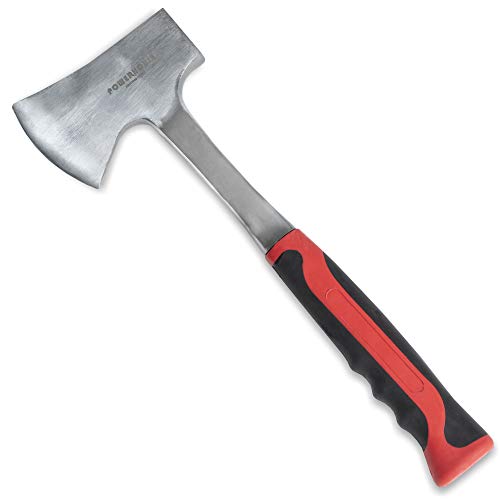
Powerhouse 360 PHX-14 High Performance Axe, Black Best for most families
- Impact and cutting in one tool, reducing carried weight and gear complexity.
- Breaks glass and clears light debris for escape and access during rescue.
- Processes kindling and shelter poles for heat and structural protection.
- Mechanical operation; no batteries or fuel needed, reliable in wet and cold.
 info@emerggear.com