Portable Toolbox
Why you need this: In emergencies, a tool kit helps you make repairs, secure your home, and keep essential gear working to protect your family.Portable Toolbox: A Practical Guide to Everyday Fixes and Emergency Readiness
A portable toolbox is a compact, organized container that keeps essential tools and repair supplies in one place, ready to move wherever you need them. Whether you call it a portable tool box, mobile toolkit, or grab-and-go repair kit, the idea is simple: the right tools, in the right place, at the right time. From tightening loose hardware to handling storm damage, a portable toolbox turns small problems into manageable tasks and helps you stay calm and capable when life gets messy.
Why does it matter? Because unexpected issues rarely happen next to your workbench. A leaking valve, a loose cabinet hinge, a flickering light switch, or a flat tire are all easier to handle when your gear is already organized and easy to carry. In urgent moments, fast access and good organization can prevent minor incidents from becoming major headaches, saving time, money, and stress. In everyday life, it empowers you to do quick maintenance and keeps your space safer and more reliable.
In emergencies, a well-prepared portable toolbox supports basic home safety, light repairs, and rapid cleanup. You’ll waste less time searching for individual tools and spend more time solving the problem. That’s why many households, drivers, and professionals rely on a portable toolbox as a core piece of preparedness planning.
How It Works
The basic idea behind a portable toolbox is smart organization inside a tough, carry-friendly shell. It protects tools, keeps them sorted, and makes it simple to grab what you need without rummaging. Most designs balance quick access to frequently used items with deeper storage for bulkier tools and consumables.
- Durable shell: A rigid case or rugged soft-sided bag shields contents from bumps, drops, and weather while keeping weight manageable.
- Secure closure: Hinges, latches, and zippers prevent accidental openings. Lockable options add security when you’re on the move.
- Carry system: A comfortable handle, shoulder strap, or wheels makes transport easy, even when fully loaded.
- Interior layout: Trays, dividers, and pockets separate hand tools, fasteners, and small parts for faster retrieval and less clutter.
- Modularity: Removable trays or pouches let you take just the essentials to the task area while the rest stays protected.
- Labeling and inventory: Clear labels and a simple checklist reduce duplication, track consumables, and improve readiness.
When built and packed thoughtfully, a portable toolbox minimizes search time, protects your gear, and makes repairs smoother from start to finish.
When the Portable Toolbox Helps Most
- Natural disasters: After severe storms, earthquakes, or floods, you’ll need basic tools for shutting off utilities, boarding windows, removing debris, and stabilizing loose fixtures.
- Home accidents: Fix a leaking hose, reattach a cabinet door, patch a small hole, replace a broken switch plate, or assemble furniture without hunting around the house.
- Workplace situations: In offices, workshops, and jobsite trailers, a portable toolbox supports quick fixes that keep operations moving while you wait for specialized service.
- Vehicles: Keep a compact kit in the trunk for battery terminals, loose fasteners, hose clamps, temporary fixes, or swapping a headlight bulb. Pair with safety gear and roadside visibility items.
- Outdoor activities: For camping, RV trips, boating, and tailgating, a tidy set of tools helps with tent stakes, gear repairs, clamps, and general camp setup and teardown.
- Rental and apartment living: When space is limited, a single portable toolbox reduces clutter while covering common maintenance tasks without a dedicated workshop.
- Property management: Landlords and caretakers can carry one kit between units to handle routine upkeep efficiently.
Strengths, Suitability & Limitations
Strengths
- Mobility: Take your tools to the task instead of hauling the task to your tools.
- Organization: Dividers, trays, and labeled compartments reduce wasted time and prevent lost parts.
- Readiness: A dedicated, pre-packed kit ensures you’re prepared for everyday fixes and urgent situations.
- Protection: Tools last longer when shielded from moisture, dust, and impact.
- Scalability: Start with essentials, then grow your setup with modular pouches or trays as needs expand.
What It’s Not For
- Heavy-duty, stationary storage: Large shop chests or wall systems are better for extensive tool collections and heavy machinery accessories.
- Specialized trades only: A general-purpose portable toolbox supports basic repairs; niche professions will still need dedicated gear.
- Hazardous environments: Environments requiring certified explosion-proof or insulated equipment call for specialty solutions.
Limitations and safety considerations
- Weight limits: Avoid overloading. Keep it light enough to carry safely and respect the case’s rated capacity.
- Electrical safety: Always de-energize circuits before work. Use insulated tools when required and follow local codes.
- Chemical storage: Separate adhesives, sealants, and lubricants from food or first-aid items; store chemicals in sealed containers.
- Blade and sharp protection: Guard cutting tools to prevent accidental injury and tool damage.
- Environmental exposure: Extreme heat, cold, and moisture can degrade materials. Use water-resistant enclosures where appropriate.
What to Look For When Buying a Portable Toolbox
The best portable toolbox for you balances durability, organization, and comfort. Evaluate the following features to ensure your purchase will last and perform when it matters.
- Materials and build quality: Look for tough plastics, reinforced fabrics, or metal construction with sturdy hinges and strong latches. Seams, rivets, and stitching should be clean and consistent.
- Layout and organization: Removable trays, small-parts boxes, and adjustable dividers allow you to tailor the interior to your tools and supplies.
- Capacity and size: Choose a size that fits your core tools without becoming a burden. If you regularly add gear, consider a modular system or wheeled option.
- Comfort and ergonomics: A padded handle or strap reduces fatigue, and balanced weight distribution makes longer carries safer.
- Weather protection: Water-resistant fabrics, gasketed lids, and corrosion-resistant hardware protect against rain and humidity.
- Safety features: Lockable latches, compartments for sharp tools, and non-conductive materials (when needed) improve safety on the job.
- Visibility and labeling: High-contrast interiors make small parts easier to see; built-in label slots or clear lids help you find items quickly.
- Maintenance access: Smooth surfaces and removable inserts make cleaning easier and reduce grime buildup.
- Value and longevity: Consider availability of replacement trays or parts, and whether the design will hold up to daily use.
Beware of low-quality imitations. Signs include thin, brittle plastic; flimsy zippers; weak latches that pop open; and dividers that won’t stay in place. If you notice strong chemical odors, poor molding, or sloppy stitching, the case may deteriorate quickly. A reliable portable toolbox should feel solid in hand, close securely, and keep its shape when loaded.
Placement, Storage & Readiness
Where you store your portable toolbox matters as much as what you put in it. Focus on speed, safety, and consistency.
- Stage for fast access: Keep it where you can reach it within seconds—near a garage door, utility room, or hallway closet.
- Duplicate strategically: Consider a compact kit in your vehicle and a larger kit at home to avoid constant shuttling.
- Protect from extremes: Avoid prolonged exposure to direct sun, high heat, and standing moisture. If stored in a vehicle, choose heat-tolerant materials and check items more frequently.
- Set an inspection schedule: Quick monthly checks for missing items, dull blades, dead batteries, and dried-out adhesives; deeper quarterly clean-and-restock.
- Manage consumables: Track tape, blades, fasteners, zip ties, batteries, and gloves with a simple checklist placed inside the lid.
- Keep it clean: Wipe down tools after use and empty debris from trays. A clean kit is faster to use and lasts longer.
- Avoid common mistakes: Don’t overload to the point of strain; don’t mix sharp tools loosely with small parts; and don’t store chemicals with food or first-aid items.
How to Use It Properly
- Assess and secure the area. Ensure personal safety first. Shut off power or water if necessary and create a clear, well-lit workspace.
- Position the toolbox on a stable surface. Set it down where it won’t tip or obstruct exits, with the lid opening away from walkways.
- Put on basic protective gear. Gloves and eye protection are simple, effective safeguards for most small repairs.
- Retrieve only what you need. Use trays and pouches to stage tools for the task. Keep sharp and heavy items isolated.
- Follow safe techniques. Use the right tool for the job, apply steady force, and never work on live circuits. If you’re unsure, pause and consult qualified guidance.
- Clean and inspect before putting tools away. Remove debris, check for wear, replace dull blades, and note supplies to restock.
- Reset for readiness. Lock latches, update your checklist, recharge batteries if used, and return the toolbox to its storage location.
Final Summary
A portable toolbox is more than a container—it’s a system that translates preparedness into action. By combining durable construction, smart organization, and intentional placement, you’ll handle everyday fixes faster and meet emergencies with confidence. Choose a design that fits your needs, stock it with essentials, and maintain it regularly. The payoff is simple: less downtime, more capability, and a safer home, vehicle, and workspace.
Start small, stay organized, and keep it ready. With a well-prepared portable toolbox, you’ll be equipped to face both minor mishaps and urgent repairs—calmly, safely, and efficiently.
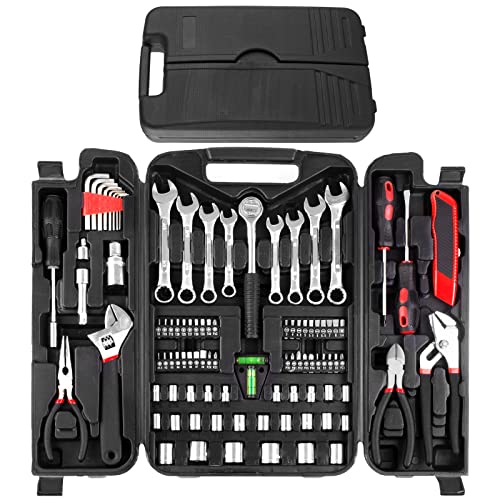
TLGREEN 95 Piece Tool Set, Tool Kit, Mechanics Tool Set, Portable Toolbox with Adjustable Wrench Pliers Socket Bits, with Plastic Toolbox, for House Apartment Garage (Red) Best for most families
- Consolidates critical hand tools for utility shutoff, debris clearing, and emergency repairs.
- Organized compartments reduce search time and decision fatigue under pressure.
- Portable form works for vehicle kits, home caches, and field deployment.
- Simple layout enables quick inspection and restocking between incidents.
 info@emerggear.com