Safety Vest
Why you need this: A high-visibility safety vest keeps you seen during evacuations, roadside breakdowns, and blackouts, reducing accident risk and protecting your family.Safety Vest: A Complete Guide to High-Visibility Protection
A safety vest is a high-visibility garment designed to make you more noticeable in daylight, low light, and at night. By combining fluorescent background fabric and retroreflective tape, a safety vest helps drivers, equipment operators, and other people see you sooner and from farther away. That extra split second of visibility can prevent collisions and reduce the severity of incidents across job sites, roadsides, neighborhoods, and trails.
Why it matters: everyday life is full of moments when you need to stand out clearly—changing a tire on the shoulder at night, directing delivery vehicles in a dark driveway, guiding family during a power outage, or navigating a work zone with moving machinery. In emergencies and everyday accidents, conspicuity saves time and reduces risk. A safety vest provides an instantly recognizable silhouette and bright, reflective cues that cut through visual clutter, making it one of the most effective and affordable pieces of personal protective equipment (PPE).
Beyond visibility, a safety vest organizes your essentials with pockets and attachment points, signals your role in a response, and layers easily over casual clothing or workwear. For preparedness, keeping one in your vehicle, home kit, and workplace can dramatically improve safety anytime you step into traffic, around heavy equipment, or onto dimly lit paths.
How It Works
A safety vest improves your visibility through a combination of materials and design choices that enhance conspicuity in different lighting conditions. Two key technologies are at work: fluorescence and retroreflection.
- Fluorescent background fabric (daytime and low light): Bright colors—typically fluorescent yellow-green or orange-red—convert invisible ultraviolet light into visible wavelengths. This makes the vest appear more vivid in daylight and during dawn/dusk, helping you stand out against complex backgrounds.
- Retroreflective tape (nighttime and artificial light): Retroreflective elements send light back toward its source—like a vehicle’s headlights—so you are visible from long distances at night. Microprismatic or glass-bead tapes are common; both are designed to reflect light efficiently when illuminated.
- 360-degree visibility and “biological motion” cues: Reflective patterns that outline the torso and shoulders (for example, an “H” pattern on the front and back) help observers recognize a human shape quickly. Bands on shoulders and around the waist provide continuous visibility from multiple angles.
- Contrast binding and color placement: Dark edging, high-contrast panels, and thoughtful tape placement sharpen the silhouette so you’re easier to pick out in visually busy or low-contrast environments.
Many regions classify safety vests by visibility performance (often referred to as Class 1, 2, or 3). Higher classes typically require more background and reflective surface area, offering better visibility at greater distances or higher traffic speeds. Select the class appropriate to your environment and local regulations.
When the Safety Vest Helps Most
- Natural disasters: Storm cleanup on roadsides, navigating debris fields after windstorms, coordinating during wildfires, floods, earthquakes, or hurricanes, and assisting at community distribution points when visibility and identification matter.
- Home and neighborhood: Nighttime dog walks, guiding visitors in dark driveways, leaf blowing or snow removal near the street, ladder work where passersby or vehicles might approach, and power outage tasks outside your home.
- Workplaces: Construction zones, roadwork, warehouses, logistics yards, loading docks, utility work, event operations, facility maintenance, groundskeeping, and any job with mobile equipment or vehicle traffic.
- Vehicles: Roadside breakdowns, tire changes, emergency stops, collision scenes, and setting out triangles or cones. Keeping a safety vest in each vehicle ensures you’re visible the moment you step out.
- Outdoor activities: Cycling, running, walking, hiking, and geocaching; sunrise or twilight training sessions; hunting areas where being seen by others is critical; paddling near boat ramps; and urban commutes on foot or scooter.
- Public safety and volunteer work: Neighborhood patrols, emergency response teams, school or event crossing assistance, parking direction, and crowd guidance around busy streets.
Strengths, Suitability & Limitations
Strengths
- High impact for low cost: A simple, lightweight layer that can dramatically reduce the risk of “struck-by” incidents.
- Fast to deploy: Easy to store, grab, and don over any clothing, in any season.
- Works day and night: Fluorescent fabric for daytime and retroreflective tape for nighttime visibility.
- Role identification: Color and pattern make it clear who is coordinating or assisting, which streamlines response and communication.
- Fits most people: Adjustable or universal-fit options accommodate layers, backpacks, and tools.
What It’s Not For
- Not a substitute for a life jacket on or near water.
- Not ballistic, cut-resistant, or impact-protective PPE.
- Not inherently flame-resistant or arc-rated unless specifically labeled as such.
- Not a replacement for lighting, cones, signage, barriers, or traffic control plans.
- Not designed for stealth or hunting concealment; it is intentionally conspicuous.
Limitations and safety considerations
- Reflectivity depends on light. Retroreflective tape needs illumination. In total darkness without a light source, it will not glow by itself.
- Fluorescence is a daytime advantage. At night, the fluorescent fabric alone won’t make you visible; reflective elements become critical.
- Dirt, wear, and UV exposure degrade performance. Faded colors and peeling tape reduce visibility—inspect and replace as needed.
- Fit matters. Oversized or loose vests can snag in machinery; overly tight vests reduce mobility and coverage.
- Environment matters. Choose colors and patterns that contrast your surroundings to avoid blending in.
- Follow local regulations and standards for class, color, and features required by your job or activity.
What to Look For When Buying a Safety Vest
Choosing the right safety vest is about performance, durability, and compliance. Prioritize visibility and build quality, then match features to your environment and tasks.
- Standards and labeling: Look for compliance with recognized standards such as ANSI/ISEA 107 or EN ISO 20471 (and similar regional standards like CSA Z96). Proper labeling should indicate the class/type, size, and care instructions.
- Class and use case: Higher classes generally provide more visible area and are intended for higher-speed traffic or more hazardous zones. Verify the class your work or activity requires.
- Color selection: Fluorescent yellow-green or orange-red are common. Choose a color that contrasts your typical environment (e.g., yellow-green against urban grays or orange-red against leafy greens).
- Reflective tape quality: Look for wide, durable tape with strong retroreflective performance. Segmented or perforated tape improves breathability and flexibility; microprismatic tape often provides high reflectivity at longer distances.
- 360-degree visibility: Ensure reflective elements are present on the front, back, and shoulders. Patterns that outline a human shape often boost recognition time.
- Material and breathability: Mesh promotes airflow for hot conditions; solid fabric blocks wind and can carry more pockets. Consider weight, durability, and seasonality.
- Closure system: Zippers provide secure closure; hook-and-loop is quick and adjustable; snaps are simple with gloves. Choose a closure that you can operate easily under stress.
- Pockets and organization: Assess your needs for radio loops, ID windows, notebook or tablet pockets, pen holders, and secure zippered compartments.
- Breakaway safety: In high-snag or traffic environments, a 5-point breakaway design can help the vest release if caught by machinery or a vehicle.
- Specialized protection: If you’re near live electrical systems or flame hazards, look for flame-resistant (FR) or arc-rated options with the appropriate ratings indicated on the label.
- Size, adjustability, and layering: Confirm sizing over your typical clothing, including winter layers. Adjustable sides or elasticized panels maintain fit without restricting movement.
- Durability and care: Reinforced seams, bar-tacked stress points, and washable materials extend lifespan. Check care instructions—avoid options that degrade quickly with normal washing.
- Quality control and authenticity: Beware of low-quality imitations that use dull colors or weak tape adhesive. Test reflectivity with a flashlight and inspect for crisp color, clean stitching, and clear compliance labels.
Placement, Storage & Readiness
Make your safety vest easy to find, easy to grab, and ready to use. Visibility is most valuable when it’s available at a moment’s notice.
- Where to keep it: In each vehicle’s glove box or door pocket; in your trunk emergency kit; hanging by the front door; in a backpack or bike bag; at jobsite muster points; and in household emergency bins.
- Storage conditions: Keep vests clean, dry, and out of direct sunlight when not in use. Excessive heat, oil, and chemicals can degrade reflective materials and adhesives.
- Inspection routine: Before and after use, check for fading, tears, cracked or delaminating tape, broken closures, and excessive grime. Replace any vest that no longer provides bright color or reliable reflectivity.
- Cleaning tips: Follow label instructions. Generally, use mild detergent, cold or warm water, and avoid bleach or fabric softeners that can cloud reflective surfaces. Air dry or low heat if permitted.
- Readiness habits: Keep one vest per person in your household or team. Repack after use. Consider marking vests with names or roles for faster accountability in group responses.
- Common mistakes: Tossing the vest loose in a trunk with tools and oils, storing it in direct sun on a dashboard, forgetting to close the zipper (leading to snags), or wearing it inside out so the reflective tape is hidden.
How to Use It Properly
- Pause and assess the scene. Choose a safe location away from immediate hazards—traffic, downed lines, moving equipment—before donning your safety vest.
- Select the right vest for the job. Confirm the class and any special requirements (e.g., FR or arc-rated) based on your environment.
- Inspect the vest. Check color brightness, reflective integrity, seams, and closures. Do not use if tape is peeling, fabric is torn, or visibility is compromised.
- Put it on over your clothing. Ensure nothing blocks the reflective areas. Remove bulky items from outer layers that could distort fit.
- Close and secure. Zip, snap, or press hook-and-loop fully so the vest sits flat and doesn’t flap in wind.
- Adjust for comfort and coverage. Use side straps or elastic panels to achieve a close but non-restrictive fit.
- Check 360-degree visibility. Confirm reflective elements are visible on the front, back, and shoulders. Ask a partner to verify if available.
- Add complementary safety measures. Set out cones or triangles, use a headlamp or beacon, and position yourself where oncoming traffic has the best line of sight.
- Face hazards when possible. When working near traffic, keep an escape path in mind, minimize time in active lanes, and avoid turning your back to oncoming vehicles.
- Pair with other PPE as required. Hard hat, gloves, eye/ear protection, and footwear should match the task. Use FR or arc-rated vests where heat or electrical energy is a risk.
- Stay visible in motion. Keep the vest closed to prevent flapping, and avoid covering reflective tape with backpacks or tools.
- Remove and replace if contaminated or damaged. Oil, paint, or mud can ruin performance; switch to a clean vest and decontaminate appropriately.
- Clean and store properly after use. Follow the care label to preserve reflectivity and color, then hang or fold for next time.
- Review and restock. Keep spares on hand for visitors or team members and replace worn vests proactively.
Final Summary
A safety vest is one of the simplest, most effective tools for preventing accidents in low visibility or high-traffic environments. By combining fluorescent color and retroreflective tape, it helps others detect you sooner, giving everyone more time to react safely.
Choose a vest that aligns with recognized standards, fits over your typical clothing, and provides 360-degree visibility. Place one in each vehicle, keep one at home and work, and build a habit of wearing it anytime you step into traffic or equipment zones. Maintain it with regular cleaning and inspections, and replace it when color fades or reflectivity drops.
Be seen, stay safe, and stay ready. A thoughtfully selected and well-maintained safety vest is a small investment that pays off every time conditions turn dim, busy, or unpredictable.
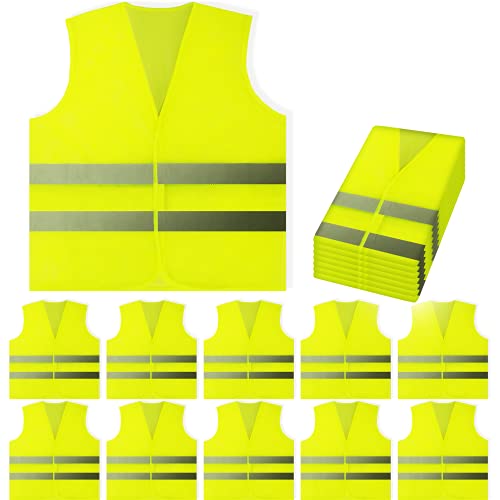
PeerBasics Safety Vests 10 Pack - Yellow Reflective High Visibility, Hi Vis Silver Strip, Men Women, Work, Cycling, Runner, Surveyor, Volunteer, Crossing Guard, Road, Construction, Neon (Mesh, 10) Best for most families
- Fluorescent fabric enhances daytime conspicuity against smoke, debris, and urban backgrounds.
- Retroreflective tape delivers headlight visibility up to 300 meters at night.
- Over-gear fit speeds donning during evacuations or roadside incidents.
- Low-bulk profile packs flat in go-bags, vehicles, and emergency kits.
 info@emerggear.com