Shovel
Why you need this: You need this emergency shovel to dig out, pry, and clear debris in disasters, keeping you mobile and your family safe.The complete guide to the shovel: uses, safety, and smart buying
A shovel is a simple, powerful hand tool designed to dig, lift, and move material such as soil, snow, gravel, sand, compost, and debris. With a sturdy handle and a contoured blade, it turns human strength into productive work. While many people think of it as a garden or jobsite staple, the shovel is also a quiet hero in emergencies: clearing a path after a storm, freeing a stuck vehicle, diverting water away from a home, or removing dangerous debris so people can move safely.
In everyday life, a dependable shovel saves time and energy by improving leverage, accuracy, and control. In urgent situations, it can help stabilize a problem quickly—opening exits after heavy snow, creating a drainage trench to mitigate flooding, or smothering small ground fires with soil. Because it is mechanical rather than electronic, a shovel works without fuel or power, stores easily, and stays ready when you need it most. For preparedness-minded households, workplaces, and drivers, a shovel is an essential tool that bridges day-to-day tasks and real-world emergencies.
How It Works
The shovel multiplies the force of your arms and legs through a long handle and a shaped blade. You push the blade into material, use your foot on the step (if present) to penetrate, then lever the load out and move it. The design reduces strain by distributing effort across large muscle groups and by letting gravity assist during the dump.
- Handle/shaft: Provides reach and leverage; longer shafts increase leverage but require more control in tight spaces.
- Grip: Straight or D-shaped grips improve control, especially with gloves or when lifting heavier loads.
- Blade: Rounded or pointed blades penetrate soil; square blades excel at scooping and transferring material; curved profiles help cradle loads.
- Step/tread: A reinforced step lets you apply foot pressure to drive the blade into hard-packed ground.
- Lift angle and curvature: The angle between the blade and handle affects comfort during lifting and dumping.
- Materials: Steel or other metals focus on strength; composites and polymers can reduce weight and resist corrosion, particularly for snow.
- Connections: Rivets, welds, and ferrules secure the blade to the handle; quality connections resist wobble and fatigue.
By pairing the right blade shape and handle length with proper technique, the shovel turns small inputs into productive, controlled movement. That’s why it remains invaluable even alongside powered equipment: it’s precise, quiet, and ready immediately.
When The shovel Helps Most
- Natural disasters: Clear storm debris, dig diversion channels to redirect water, create drainage around sandbag lines, remove snow blocking doors and vents, or throw soil on small ground fires to smother embers (only when safe to do so).
- Home accidents and maintenance: Clean up spilled gravel or soil, re-cover exposed landscaping fabric, fill low spots that collect water, or lift and dispose of sharp debris like broken masonry safely.
- Workplace situations: Move aggregate on construction sites, backfill small trenches, clear hazard zones around equipment, or maintain access paths in winter.
- Vehicles and travel: Dig snow, mud, or sand away from tires, build a gentle ramp for traction, clear around an exhaust pipe in winter, and level a spot for a jack on soft ground.
- Outdoor activities: Prepare tent platforms where permitted, create a fire ring in approved areas, bury waste responsibly where regulations allow, dig catholes following leave-no-trace guidance, and manage drainage during sudden weather changes.
Strengths, Suitability & Limitations
Strengths
- Reliable, no power source required, and effective in any weather.
- Versatile across seasons: digging soil, moving gravel, clearing snow, or handling debris.
- Precise, controlled material movement in tight or delicate spaces where machines can’t go.
- Durable and easy to maintain with basic care.
- Suitable for homes, vehicles, job sites, and emergency kits alike.
What It’s Not For
- Not a pry bar for large boulders, stumps, or concrete slabs.
- Not a root cutter or axe substitute for thick, fibrous roots.
- Not designed for striking or hammering metal stakes.
- Not appropriate for digging near unmarked utilities or electrical hazards.
- Not ideal for precise soil shaping that requires specialized trowels or edging tools.
Limitations and safety considerations
- Improper lifting can strain the back; use leg power and keep loads small.
- Wet, icy, or muddy conditions increase slip risk; wear traction footwear.
- Blisters and hand fatigue occur without gloves or with poor grips.
- Cheap blades can bend or crack under heavy loads or frozen ground.
- Wood handles can dry out or split; metal handles can get very hot or cold.
- Digging without checking for utilities is dangerous; locate and mark lines before any significant excavation.
What to Look For When Buying a shovel
Choosing the right shovel is about matching features to your tasks, your body size, and your environment. A thoughtful selection improves safety, performance, and longevity.
- Blade shape and size: Pointed or round-point blades penetrate soil and sod; square blades excel at transferring loose material; narrower blades help in trenches or dense roots.
- Material quality: Look for blades made from strong, well-tempered metal for digging; corrosion-resistant materials for wet or winter use; durable polymers for snow to avoid scratching surfaces.
- Handle type: Wood provides warmth and shock absorption; fiberglass offers strength and weather resistance; metal maximizes durability but can be heavier and less thermally comfortable.
- Grip and ergonomics: D-grips improve lifting control; textured or contoured grips reduce slippage with gloves; balanced weight distribution reduces fatigue.
- Construction and connections: Check ferrules, welds, and rivets for solid, even workmanship; avoid visible gaps, wobble, or poorly aligned parts.
- Step/tread design: Reinforced steps with adequate width offer better footing when driving the blade with your boot.
- Length and fit: Choose a handle length that keeps your back neutral; taller users often benefit from longer shafts to reduce bending.
- Edge and finish: Smooth edges reduce snagging bags or geotextiles; clean coatings help resist rust and make cleanup easier.
- Portability: For vehicles or tight storage, consider compact or modular designs that still lock securely and feel sturdy when assembled.
- Safety and labeling: Look for clear use guidelines and warnings; follow any relevant hand-tool safety standards noted by the manufacturer.
- Avoid low-quality imitations: Red flags include ultra-thin blades that flex under light pressure, rough welds, loose rivets, inconsistent coatings, and unrealistic weight or strength claims.
Tip: If you regularly handle more than one type of task—such as landscaping, winter snow, and vehicle recovery—owning two complementary shovels can be safer and more efficient than forcing one tool to do every job.
Placement, Storage & Readiness
Strategic placement ensures your shovel is accessible when speed matters. Consider where problems are most likely to occur and stage accordingly.
- Home: Store near exterior doors, in a garage or shed, or close to problem areas like driveways or garden beds; keep one accessible for winter and one for soil work.
- Vehicle: Keep a compact option in the trunk or cargo area, secured to prevent movement; pair with gloves and a small traction kit.
- Worksite: Stage shovels at material piles and access routes to minimize walking distance and improve hazard response.
- Outdoor gear: For camping or overlanding, pack a sturdy, space-efficient design and store it where it can be reached quickly without unpacking everything.
Maintenance keeps it reliable:
- Rinse and dry after use; remove soil and salts to prevent corrosion.
- Lightly oil metal surfaces to deter rust; apply conditioning oil to wooden handles periodically.
- Inspect for cracks, splits, bent blades, or loose connections; repair or replace at the first sign of failure.
- Sharpen the leading edge lightly (for digging models) to ease penetration into soil and sod.
- Store off the ground in a dry place; avoid leaning where it can fall and cause injury.
Common mistakes to avoid: leaving a shovel outdoors in wet conditions, using it as a lever for heavy prying, overloading the blade with dense material, and storing it where children can reach it unsupervised.
How to Use It Properly
- Plan the task: Identify your goal and the safest path to move material. For deeper holes, check for utilities and follow local rules before digging.
- Gear up: Wear gloves, sturdy footwear with traction, and eye protection if debris could fly.
- Position well: Stand with feet shoulder-width apart, close to the work. Keep the load centered in front of you.
- Set the blade: Angle the blade toward the material; place a foot on the step to drive it in when needed.
- Use your legs: Lift with legs and hips, not your back. Keep the handle close to your body and avoid twisting while lifting.
- Keep loads small: Especially with wet soil or heavy snow, take partial scoops to reduce strain and maintain control.
- Move and dump safely: Pivot your feet to turn—don’t twist your back. Place material where it won’t roll back or create a tripping hazard.
- For vehicle recovery: Clear packed material from in front of and behind the drive tires, shape a gradual ramp, and add traction material if available.
- For water control: Cut shallow channels that guide water away from structures; smooth the outlet to prevent erosion.
- Finish and maintain: Level the site if needed, then clean, dry, and store the shovel so it’s ready for next time.
Safety reminders: Take breaks, switch hands when possible, and stop if you feel sharp pain or excessive fatigue. In icy or unstable ground, move cautiously and consider microspikes or similar traction aids.
Final Summary
The shovel is a humble, high-impact tool that proves its worth daily and during crises. With the right blade shape, length, and materials—and by storing it where you can reach it quickly—you convert effort into results with minimal fuss. In emergencies, a reliable shovel opens exits, clears hazards, and helps you control water, snow, or debris before problems escalate.
Whether you are outfitting a home, vehicle, or workplace, invest in sound construction, inspect regularly, and practice safe technique. Preparation favors simple tools that always work—and few tools embody that principle better than a well-chosen, well-cared-for shovel.
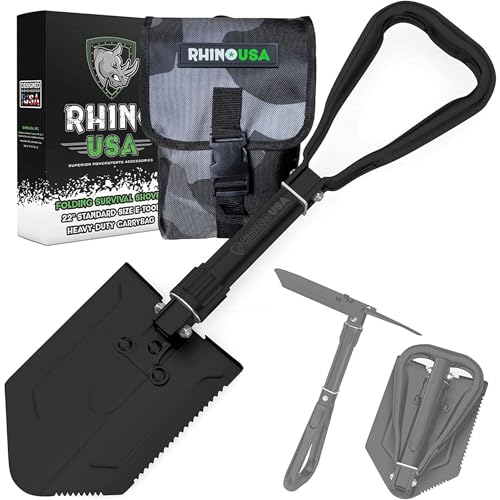
RHINO USA Folding Survival Shovel w/Pick - Heavy Duty Carbon Steel Military Style Entrenching Tool for Off Road, Camping, Gardening, Beach, Digging Dirt, Sand, Mud & Snow. Best for most families
- Clears rubble, snow, and branches to open exits and safe routes.
- Digs drainage and sumps to divert water and stabilize camps.
- Frees vehicles from snow, sand, or mud with controlled excavation.
- Builds firebreaks, latrine pits, and shelter anchors using reliable mechanical leverage.
 info@emerggear.com