Window Breaker and Seat Belt Cutter
Why you need this: You need an emergency car escape tool to free yourself and loved ones after a crash or flood, when seconds decide survival.Window Breaker and Seatbelt Cutter: The Compact Safety Tool Every Driver and Household Should Consider
A window breaker and seatbelt cutter is a compact, dual-purpose emergency tool designed to do one thing exceptionally well: help you escape quickly when seconds matter. In a collision, a rollover, a vehicle fire, or a flood, seatbelts can jam and windows can become inoperable. This simple device gives you a fast, controlled way to cut through a stuck belt and to break tempered glass so you can get yourself and others to safety.
Beyond car crashes, everyday life is full of unpredictable moments—power failures that trap elevator occupants, workshop mishaps that snag clothing in machinery, or natural disasters that block exits. A window breaker and seatbelt cutter is a small, affordable preparedness upgrade that helps turn a frightening scenario into a manageable one. It’s easy to carry, intuitive to use, and requires no batteries, making it a dependable addition to any emergency kit at home, in the office, or on the road.
For new drivers, parents, caregivers, commuters, rideshare passengers, and outdoor enthusiasts, this tool brings peace of mind. The best time to think about escape options is before you need them, and a window breaker and seatbelt cutter makes that preparation simple, practical, and highly effective.
How It Works
Most window breaker and seatbelt cutter tools combine two functions in one compact body. The glass-breaking end uses a hardened tip or a spring-loaded punch that concentrates force on a small area, fracturing tempered auto glass. The cutting end uses a recessed, guarded blade designed to slice through seatbelt webbing cleanly while minimizing the chance of accidental nicks.
- Glass-breaking mechanism: Typically a hardened steel or carbide tip or a spring-loaded striker. Pressed or triggered against tempered glass, it delivers focused impact that helps the pane fracture into small, less jagged pieces.
- Seatbelt cutting mechanism: A concealed, hooked blade that allows you to pull the belt into the cutter and draw it through. The recess helps keep fingers away from the edge.
- Ergonomics and control: Many designs feature a non-slip body and a guard to improve grip even when your hands are wet or gloved.
- Single-purpose focus: No batteries or complex mechanics are required, which keeps operation straightforward in high-stress situations.
- Compatibility notes: Tempered side windows respond to these tools, while laminated glass (common in windshields and increasingly in some side windows) behaves differently and may not shatter as expected. Always review your vehicle’s glass markings and owner information.
When The Window Breaker and Seatbelt Cutter Helps Most
- Vehicle collisions: If doors jam or power windows fail, you can cut a stuck belt and exit through a side window.
- Submersion incidents: In flood zones, flash floods, or after driving into standing water, windows may not open electronically; a dedicated escape tool can be critical.
- Vehicle fires or smoke: When visibility is low and seconds count, manually breaking a window can create a quick escape route.
- Rollovers and entanglements: Cut tangled belts or straps and assist other passengers, kids, or pets.
- Public transit emergencies: Buses and shuttles may have jammed exits during accidents; having your own tool adds redundancy.
- Natural disasters: Earthquakes can warp frames, hurricanes can swell doors, and wildfires can require rapid egress when primary exits are blocked.
- Home and apartment scenarios: Break glass in a fixed pane to reach a locked latch during a fire or to create an egress point if doors are blocked, with caution.
- Workplace and warehouse safety: Free a snagged harness or strap and reach an alternate exit through tempered glass where appropriate safety protocols allow.
- Outdoor and boating activities: Free lines, straps, or harnesses and access emergency exits on boats or off-road vehicles.
Strengths, Suitability & Limitations
Strengths
- Fast and intuitive: One-handed use is possible with many designs, making it ideal during high-stress moments.
- Compact and lightweight: Easy to keep within arm’s reach in vehicles, on keychains (where permitted), or in emergency kits.
- Low maintenance: No batteries, minimal moving parts, and straightforward inspection.
- Purpose-built safety: Designed specifically to cut webbing and fracture tempered glass with more control than improvised tools.
- Budget-friendly preparedness: An accessible upgrade that increases resilience for drivers and families.
What It’s Not For
- Not intended for windshields, which are laminated and designed to stay intact.
- Not a general-purpose knife or pry tool; misuse can damage the device and reduce effectiveness.
- Not a toy; keep out of reach of unsupervised children.
- Not a solution for all glass types; some laminated side windows may resist shattering.
Limitations and safety considerations
- Glass type matters: Laminated glass behaves differently than tempered glass and may not break as expected with a standard window-breaking tip.
- Shard and edge hazards: Broken glass—even tempered—can cause cuts. Protect your eyes and hands as best as possible.
- Underwater use is challenging: Specialized training is recommended; always prioritize safety and follow official guidance.
- Environmental exposure: Salt, humidity, and extreme temperatures can cause corrosion or degrade plastics over time; periodic inspection is essential.
- Mounting and access: A tool you can’t reach in a crash may not help—position and secure it thoughtfully.
What to Look For When Buying a Window Breaker and Seatbelt Cutter
Choosing a high-quality window breaker and seatbelt cutter is about reliability, simplicity, and ergonomics. Focus on build quality, proven mechanisms, and safe handling. Avoid cheap imitations that look similar but skip on materials, testing, or protective features.
- Reliable glass-breaking tip: Hardened steel or carbide components, with a sturdy design (spring-loaded or hammer-style) that’s consistent and easy to operate under stress.
- Recessed seatbelt cutter: A guarded blade that slices cleanly without exposing a large cutting edge; replaceable or double-edged blades are a plus for longevity.
- Ergonomics: Non-slip grip, glove-friendly operation, and an ambidextrous design that works for various hand sizes.
- Quality materials: Impact-resistant polymers or metal bodies that won’t crack easily; corrosion-resistant components for humid or marine environments.
- Mounting and retention: A secure bracket or tether to keep the tool within reach. Favor mechanical mounts over adhesives that can soften in heat.
- Visibility: High-visibility colors, reflective accents, or glow-in-the-dark details help you find the tool quickly in smoke, darkness, or murky conditions.
- Clear documentation: Straightforward instructions and safety guidance. Look for products with transparent testing information and sensible safety warnings.
- Size and form factor: Choose between compact, keychain-style tools (where appropriate) and larger, more robust handles for vehicles and home kits.
- Safety features: Blade covers, child-resistant elements, and secure sheaths reduce accidental cuts while preserving quick access.
- Durability claims: Look for mentions of impact, drop, or corrosion testing. Be cautious of vague or exaggerated performance claims.
- Avoid low-quality copies: Signs include rough machining, inconsistent action, flimsy mounts, a dull cutter, or tools that feel brittle or hollow.
Placement, Storage & Readiness
Placement is as important as the tool itself. For vehicles, aim for secure, immediate access without making it a projectile risk. For homes and workplaces, balance accessibility with child safety, and ensure everyone knows where the tool is located and how to use it.
- In vehicles: Mount in the driver’s reach (e.g., door pocket, center console, or a purpose-built bracket). Avoid locked glove compartments or trunks that can become inaccessible in a crash.
- Passenger access: Consider a second tool for the front passenger or a central location reachable from multiple seats.
- At home or work: Keep one near exits, in a garage or workshop, and in emergency kits. Store securely but not buried under clutter.
- Marine and outdoor: Add to boat emergency kits and off-road vehicles. Use corrosion-resistant options and inspect more frequently.
- Avoid common mistakes: Don’t leave it sealed in retail packaging, hidden in deep compartments, or attached with adhesives that might fail in heat or impact.
- Inspection cadence: Monthly or seasonal checks for corrosion, cracks, loose mounts, or a dulled cutting edge. Replace the tool or blades at signs of wear.
- Training and familiarization: Practice the motion of retrieving and “dry” handling (without striking glass) so the steps feel natural during an emergency.
How to Use It Properly
- Stay as calm as possible. Assess the scene and decide whether exiting through a window is necessary and safe. If you can call for help, do so.
- Retrieve the tool. Keep your grip firm, and instruct others to look away from the window you plan to use.
- Cut a stuck seatbelt if needed. Pull the belt taut, guide it into the recessed cutter, and draw the tool steadily to slice the webbing. Keep fingers clear of the blade path.
- Select a suitable window. Side windows are generally more responsive to window-breaking tools than windshields. Avoid striking near people or where debris may fall on them.
- Protect yourself. Turn your face away, and if possible, cover your hand and forearm with clothing to reduce the risk of cuts.
- Operate the window breaker as designed. Follow the device’s instructions for pressing or striking. Maintain control of the tool and be prepared to repeat the action if the glass does not fracture immediately.
- Clear the opening. Use a sleeve, shoe, or similar barrier to brush away loose fragments from the frame before climbing out. Avoid sweeping with bare hands.
- Assist others. Help children, elderly passengers, or pets exit safely. Cut additional belts or straps if they are stuck.
- Move to a safe location. Once out, put distance between you and the hazard. Seek medical attention for any injuries.
- Inspect or replace the tool after use. Many tools are designed for repeated use, but if there is visible wear or damage, replace it promptly.
Important: Use a window breaker and seatbelt cutter only in genuine emergencies. Follow local laws and safety guidance, and never use the tool to damage property outside of life-safety situations.
Final Summary
A window breaker and seatbelt cutter is a small, purposeful device that can make a life-or-death difference in the moments that matter. It’s portable, easy to understand, and empowers you to act decisively when doors jam, power fails, or water rises.
Preparedness rewards the proactive. Position the tool within reach, practice your retrieval, and share basic safety steps with your family or team. Add one to every vehicle, maintain one at home, and keep one in travel or outdoor kits. When the unexpected happens, you’ll be ready to turn a difficult situation into a survivable one.
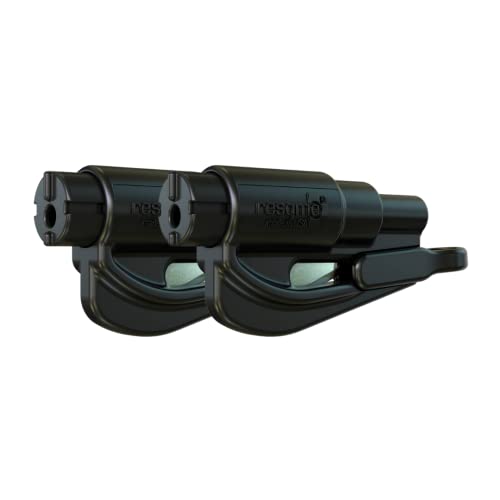
resqme Pack of 2, The Original Emergency Keychain Car Escape Tool, 2-in-1 Seatbelt Cutter and Window Breaker, Made in USA, Compact Safety Hammer- Black Best for most families
- Hardened striker fractures tempered side windows; not effective on laminated windshields or laminated side glass—verify your vehicle.
- Recessed hook blade cuts seatbelts cleanly while minimizing accidental injury.
- Mechanical, one-handed operation works underwater and after impact; no batteries to fail.
- Compact profile allows placement within reach, reducing escape time in collisions or floods.
 info@emerggear.com