Window Breaker and Seatbelt Cutter
Why you need this: A car escape tool helps you escape a crashed, sinking, or burning vehicle and protect your loved ones when every second counts.Window Breaker and Seatbelt Cutter Hammer: A Complete Guide to the Emergency Escape Tool
A window breaker and seatbelt cutter hammer is a compact, dual-purpose emergency escape tool designed to help you cut free from a jammed seat belt and shatter tempered automotive glass in seconds. Whether you drive daily, commute on shared transportation, or simply value household preparedness, this small device can make the difference in situations where every second matters. In collisions, rollovers, vehicle submersions, fires, and other crises, doors may be jammed and belts can lock under tension. Having an accessible, easy-to-use tool provides a reliable path to quick egress.
Beyond vehicles, a window breaker and seatbelt cutter hammer is also valuable in homes, workplaces, and outdoor environments. Its core purpose is straightforward: rapid escape and rescue. Simple mechanics, robust materials, and intuitive operation mean most people can learn to use it effectively with minimal practice. Because it is inexpensive, small, and easy to mount, many safety-conscious families choose to keep one within arm’s reach in each vehicle and to stage backups in bags or near exit points.
How It Works
The window breaker and seatbelt cutter hammer pairs two life-saving functions in one body. One end features a hardened tip that focuses force into a tiny point to fracture tempered glass; the other side integrates a recessed blade to slice through jammed seat belts efficiently and safely. The tool is engineered to be simple, durable, and intuitive even under stress.
- Glass-breaking tip: A hardened steel or carbide point concentrates impact into a small area, causing tempered side or rear windows to micro-fracture and shatter. Many designs rely on a direct strike; others use a spring-loaded punch mechanism to deliver an automatic, consistent force with minimal effort.
- Seat belt cutter: A shielded, razor-like blade set inside a hook or slot allows you to pull the belt into the cutter and slice through the webbing quickly, reducing the risk of cutting your hands or clothing.
- Ergonomics and control: Non-slip grips, finger guards, and compact shapes enhance control when hands are wet, cold, or shaking with adrenaline.
- Mounting and access: Many tools include a mount or sheath designed for visible, immediate access near the driver or front passenger seat, reducing the time to deploy in an emergency.
When the Window Breaker and Seatbelt Cutter Hammer Helps Most
- Vehicle collisions and rollovers: Doors can crumple or lock; belts may jam. This tool lets you cut free and exit via a side window.
- Vehicle submersion: In floods, off-road mishaps, or bridge accidents, quick escape is critical. Breaking a tempered window provides an immediate exit path.
- Vehicle fire or smoke: Dense smoke and heat can make latches and electronics fail. Cutting the belt and breaking a window creates a fast escape route.
- Public transportation incidents: Buses, shuttles, and rideshares also benefit from an accessible escape tool, especially in crowded, low-visibility situations.
- Natural disasters: Earthquakes, hurricanes, and tornadoes can jam doors and windows. A compact breaker and cutter can help clear egress points.
- Home accidents: Locked or swollen windows and doors can trap occupants. The tool can help open pathways for evacuation.
- Workplace emergencies: Warehouses, parking structures, and industrial sites often have vehicles and heavy equipment. Having a tool on hand aids rapid response.
- Outdoor activities: Off-roading, overlanding, boating near launch ramps, and camping in remote places demand self-reliant safety gear.
Strengths, Suitability & Limitations
Strengths
- Fast, decisive action: Cuts jammed belts and breaks tempered glass in seconds.
- Easy to learn: Simple mechanics work under stress and in low light.
- Compact and affordable: Practical to stage in multiple locations (driver’s seat area, passenger area, glove box backup).
- No batteries required: Works even if electrical systems fail.
- Versatile: Useful in vehicles, homes, and workplaces.
What It’s Not For
- Laminated windshields: Most handheld breakers are not designed to penetrate laminated front windshields; they are engineered for tempered side and rear windows.
- Heavy structural glass: Not intended for thick architectural glass, specialty laminates, or security glazing.
- Non-emergency use: This is a rescue tool, not a general-purpose cutter or prying device.
Limitations and safety considerations
- Glass type matters: Many modern vehicles use laminated side glass in some trims. Breaking laminated panels can be difficult with a standard tool.
- Debris and sharp edges: Shattered glass can cut; protect your eyes and hands when possible and clear an exit path before climbing out.
- Mounting and access: A tool buried in a glove box or trunk may be unreachable after impact.
- Training and familiarity: Practice the motions (safely and without striking real windows) so you can operate under stress.
- Local regulations: Always follow local laws and manufacturer guidance.
What to Look For When Buying a Window Breaker and Seatbelt Cutter Hammer
Choosing the right tool is about reliability under pressure. Focus on materials, ergonomics, and proven design features that make operation faster and safer.
- Glass-breaking tip: Prefer a hardened steel or tungsten-carbide tip. Spring-loaded breakers can be easier for users with less upper-body strength.
- Seat belt cutter blade: Look for a recessed, guarded blade with a smooth cutting channel and minimal snagging. Replaceable or serviceable blades are a plus.
- Grip and control: Non-slip textures, finger stops, and a shape that fits your hand help maintain control when wet or gloved.
- Durable body: Impact-resistant construction that tolerates heat, cold, and UV exposure without cracking.
- Mounting hardware: A sturdy, easy-to-see mount that secures near the driver’s seat. Bright colors increase visibility in low light.
- Size and weight: Compact enough for seat-side mounting but substantial enough for confident strikes.
- Corrosion resistance: Protective coatings and quality metals prevent rust in humid or marine environments.
- Quality assurance: Look for clear manufacturing details, documented testing, and straightforward instructions. Avoid unverified, ultra-cheap imitations that may bend, chip, or have dull blades.
- User-friendly design: Ambidextrous operation, simple blade access, and minimal moving parts reduce failure points.
- Visibility and retention: High-visibility colors, reflective accents, and optional lanyards help ensure you can find and keep hold of the tool.
Placement, Storage & Readiness
Proper staging can matter as much as the tool itself. The goal is immediate reach from a seated position in a vehicle or from common movement paths at home or at work.
- Vehicle placement: Mount to the driver’s side seat base, center console side, or lower A-pillar area using the included bracket. Ensure it is visible and reachable with your seat belt on.
- Avoid deep storage: Do not bury the tool in glove boxes, door pockets packed with items, or trunks where it may be inaccessible after a crash.
- Home and workplace: Store in a consistent, visible place near exits or in areas most likely to be used for egress. Consider a second unit on upper floors.
- Backups: Keep a spare in the passenger area or in a go-bag. Redundancy improves your odds in complex incidents.
- Inspection habit: Monthly, check the blade opening for debris, confirm the tip is intact, verify the mount is secure, and ensure there is no corrosion.
- Environmental resilience: If stored in hot or humid climates, inspect more frequently. Avoid adhesives that soften with heat; mechanical mounts are more reliable.
- Training and family awareness: Show household members where the tool is and how to use it. Emphasize that it is for emergencies only.
- PPE and safety: If feasible, keep basic gloves and small eye protection nearby. Even a thin barrier can reduce cuts during egress.
How to Use It Properly
- Stay as calm as possible. Take a breath and commit to a simple, deliberate sequence.
- Assess the situation. If doors open and seat belts release, use normal exits. If the belt is jammed or doors are stuck, proceed with the tool.
- Cut the seat belt if needed. Pull the belt taut with one hand and draw it into the cutter’s slot with the other. Use a smooth, steady pull to slice the webbing.
- Choose a window. Target a tempered side or rear window, not the windshield. Aim for a corner of the glass, which is structurally weaker. If your vehicle uses laminated side glass, be aware that breaking it can be significantly harder.
- Break the glass. For a hammer-style tip, strike firmly at the corner. For a spring-loaded breaker, press the tip squarely against the glass until it activates. Repeat if necessary.
- Clear an exit path. Use the tool or a gloved hand to sweep away remaining shards along the edges before climbing out. Protect children or passengers from sharp edges.
- Exit and assist others. Move to a safe location away from traffic or hazards. Help passengers in order of need if you can do so safely.
- Special note for water incidents: If submerged and doors do not open, break a tempered window. If pressure prevents opening, allow water to rise to equalize before pushing out; keep your face near an air pocket and proceed steadily.
- After the incident: Seek medical evaluation. Replace the tool if it was used or damaged.
- Safety reminders: Use only in emergencies. Avoid unnecessary strikes and protect eyes and hands. Follow manufacturer instructions and local regulations.
Final Summary
The window breaker and seatbelt cutter hammer is a small, purpose-built device that delivers rapid escape capability when you need it most. It is simple, dependable, and easy to stage within arm’s reach, turning a trapped environment into a navigable exit plan. By choosing a quality tool, mounting it where you can reach it instantly, and practicing the steps, you dramatically improve your odds of getting yourself and your loved ones to safety.
Preparation is power. Add a window breaker and seatbelt cutter hammer to your everyday safety setup, review the basics with your household, and keep it ready. The confidence that comes from knowing you can act quickly in an emergency is an asset you carry with you everywhere you go.
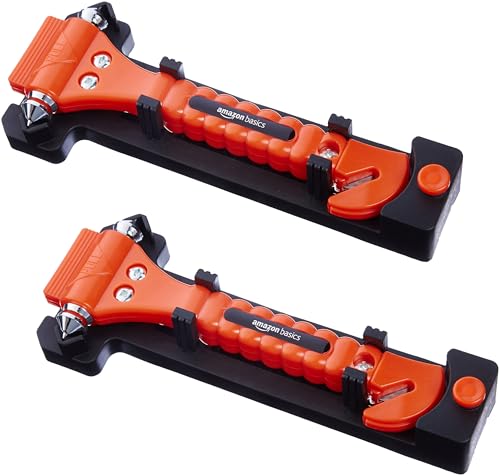
Amazon Basics Emergency Seat Belt Cutter and Window Hammer Tool, Car Accessories, 2 Pack, SW-835 Best for most families
- Point-load striker fractures tempered side windows for rapid escape.
- Recessed, guarded blade cuts jammed seatbelts cleanly and safely.
- No batteries or electronics; reliable during submersion, rollovers, or power loss.
- Compact, mountable design keeps it within arm’s reach when seconds matter.
 info@emerggear.com