Bottled Water
Why you need this: When disasters disrupt or contaminate tap water, an emergency bottled water supply keeps your family safely hydrated until help and utilities return.Bottled Water: A Complete Guide for Everyday Use and Emergency Preparedness
Bottled water is simply potable water that has been treated, sealed, and packaged at a facility for safe consumption. It matters because clean drinking water is the first priority in any emergency and a daily essential that supports health, productivity, and comfort. When your tap supply is compromised—whether by a burst pipe, a water main break, a boil-water advisory, or a major storm—having a reliable supply of sealed bottles ensures you can hydrate safely, prepare simple meals, take medications, and maintain hygiene without delay.
In everyday life, bottled water is convenient for commutes, workouts, travel, and outdoor activities. During a crisis, it becomes a lifeline. A well-planned supply can bridge the gap for days or weeks while infrastructure is repaired or while you relocate. Preparedness starts with water, and keeping an organized stash of bottled water is one of the most cost-effective ways to safeguard your household.
How It Works
Bottled water is produced by sourcing water, treating it to meet potable standards, and packaging it in a sealed, food-grade container. The seal and the container’s material work together to protect against contaminants and preserve taste. Although the water itself doesn’t “expire,” packaging can slowly allow gas exchange and may affect flavor over time, which is why you’ll see a “best by” date and why rotation is recommended.
- Source and treatment: Water may come from municipal supplies, springs, or wells, and is typically treated via methods like filtration, reverse osmosis, UV light, or ozonation to meet safety standards.
- Clean-room filling: Automated lines fill and cap bottles in sanitary environments to minimize contamination.
- Tamper-evident seal: Caps usually feature a breakaway ring or protective film that indicates whether the bottle has been opened.
- Food-grade packaging: Common materials include PET for single-serve bottles and HDPE or similar for larger jugs. These plastics are designed for contact with potable water.
- Barrier and shelf life: Sealed packaging slows contact with air and odors. Over long periods—especially in heat or sunlight—flavor may change. Cool, dark storage preserves quality.
When The bottled water Helps Most
- Natural disasters: Hurricanes, earthquakes, floods, wildfires, and winter storms can disrupt treatment plants, damage mains, or contaminate supplies. Bottled water keeps hydration consistent until services resume.
- Boil-water advisories: During suspected contamination, you can avoid queues and uncertainty by using sealed bottles for drinking, brushing teeth, and rinsing produce.
- Home accidents and maintenance: Burst pipes, plumbing repairs, and water shutoffs are inconvenient—bottles on hand eliminate stress and keep your routine intact.
- Power outages: If your home relies on an electric well pump or you face limited hot water, bottled water supports drinking, quick meals, and basic hygiene.
- Workplace readiness: Offices, workshops, and job sites benefit from a backup case to keep teams hydrated when onsite water is unavailable or unsafe.
- Vehicles: Keep a small rotation in the car for roadside delays, traffic jams in heat, or unexpected detours. Rotate often if stored in hot climates.
- Outdoor activities: Hiking, camping, tailgating, beach trips, and sports practices all run smoother with a dependable supply on hand.
- Travel and rentals: When staying in unfamiliar areas or older buildings, sealed water helps avoid gastrointestinal upsets from sudden changes in local water chemistry.
- Health and caregiving: Preparing cold medications, mixing powdered drinks, and supporting seniors or children with sensitive stomachs is easier with consistent, predictable water quality.
Strengths, Suitability & Limitations
Strengths
- Immediate safety and convenience: Sealed, ready-to-drink, and easy to distribute to individuals, families, and teams.
- Predictable quality: Consistent taste and treatment removes guesswork during stressful moments.
- Portability: Single-serve formats support on-the-go hydration and rationing.
- Scalable supply: Available in volumes from small bottles to multi-gallon containers for home basecamps.
- Hygiene support: Useful for brushing teeth, basic handwashing, and rinsing produce when tap water is questionable.
What It’s Not For
- Not a permanent water solution: It’s ideal for short- to medium-term needs, not a complete long-term substitution for household water systems.
- Not for hot storage: Avoid long-term storage in hot vehicles, garages, or direct sunlight.
- Not for repeated reuse of single-use bottles: Single-serve bottles are not designed for long-term refilling or rough handling.
- Not a medical product: While cleaner than many alternatives in emergencies, it’s not sterile saline and isn’t a replacement for medical-grade supplies.
- Not a full electrolyte replacement: For heavy exertion or heat illness, you may need foods or drinks that restore electrolytes.
Limitations and safety considerations
- Storage conditions matter: Heat and sunlight can affect taste and packaging over time. Keep bottles cool, dark, and off concrete floors.
- Rotation required: Follow “first in, first out.” Mark purchase dates and check seals periodically.
- Odor absorption: Do not store near chemicals, fuels, or strong-smelling products; packaging can absorb odors.
- Packaging durability: Thin bottles can puncture under pressure; transport and stack carefully.
- Waste management: Plan for recycling and minimize plastic use by choosing larger containers where appropriate.
What to Look For When Buying bottled water
Choosing the right bottled water for preparedness and daily use comes down to material quality, treatment method, packaging design, and clear labeling. Prioritize safety and reliability over aesthetics.
- Clear source and treatment info: Look for labels that state the water source and treatment (e.g., filtration, reverse osmosis, UV, ozonation). Transparent labeling signals quality controls.
- Tamper-evident features: A breakaway cap ring or intact seal tab protects against tampering. If the seal is damaged or missing, do not use.
- Food-grade materials: PET and HDPE are common, household-safe choices. Check for sturdy construction, especially on larger containers and handles.
- Packaging integrity: Bottles should be free of dents, cracks, discoloration, or unusual odors. Multipacks should arrive with shrink wrap intact.
- Date codes and lot numbers: Ensure the package shows a legible “best by” date or lot code to support rotation and traceability.
- Cap design and resealability: Screw caps that reclose tightly reduce spills and contamination after opening. Sports caps are handy but may not seal as tightly.
- Size mix for flexibility: A blend of single-serve bottles for mobility and larger jugs for home basecamp use supports smart rationing and reduces plastic per liter.
- Taste consistency: If possible, test a small quantity before committing to bulk storage to ensure flavor suits your household.
- Compliance with potable water standards: Choose products that state compliance with relevant food-grade and drinking water regulations in your region.
- Beware of low-quality imitations: Avoid bottles with unclear labeling, missing seals, suspiciously low prices, or altered packaging. If anything feels off, choose a different option.
Placement, Storage & Readiness
Strategic placement ensures bottled water is available where and when you need it. Aim for at least one gallon (about 3.8 liters) per person per day for drinking and basic hygiene, and consider a multi-day to multi-week buffer if you live in areas prone to disruption. Include a dedicated portion for pets.
- Home storage: Store in a cool, dark closet or pantry. Keep off the floor on shelves or pallets to prevent temperature swings and potential chemical contact.
- Distributed reserves: Place small stashes on each floor and in key rooms so a single blocked area doesn’t cut off your supply.
- Vehicle kit: Keep a few bottles in your car but rotate frequently, especially in hot climates. Bring them inside during heat waves.
- Workplace cache: A case under a desk or in a supply closet can keep you hydrated if you’re temporarily sheltering in place at work.
- Go-bags and evacuation bins: Add lightweight bottles to each kit so you can move quickly without searching the house.
- Rotation system: Mark each case with the purchase month and year. Consume the oldest first and replace promptly.
- Shelf safety: Anchor shelving in earthquake zones and avoid stacking too high. Heavy cases should rest on lower shelves.
- Separation from chemicals: Do not store near fuels, solvents, paints, or strong cleaners to prevent odor or vapor migration.
- Freeze-use strategy: Partially freezing larger containers can create ice blocks that help your freezer stay cold during outages; leave headspace to allow expansion.
How to Use It Properly
- Inspect the packaging: Check that the bottle is intact, the seal is unbroken, and the water is clear with no off-odors.
- Clean the exterior: Wipe the cap and neck if the bottle was stored in dusty or dirty conditions.
- Open and pour: Break the tamper ring or seal, then pour into a clean cup or bottle. Avoid touching the rim or inside threads to maintain cleanliness.
- Ration thoughtfully: During emergencies, plan daily intake for each person. Reserve some for essential hygiene and food preparation.
- Reseal after use: Close bottles tightly to prevent spills and contamination. If pouring from a large container, consider decanting into smaller bottles for daily carry.
- Use for hygiene when needed: For brushing teeth or quick handwashing, pour rather than drink directly to avoid contaminating the bottle.
- Replace opened bottles promptly: Once opened, use within a reasonable period and keep away from heat and sunlight.
- When in doubt, don’t drink: If the seal is compromised, the water looks cloudy, or it smells unusual, choose a different bottle.
- Recycle responsibly: Crush and recycle empties if facilities exist. Keep the area tidy to avoid trip hazards in tight spaces.
Safety reminder: If you suspect biological contamination in your surroundings or need to use non-bottled sources, use appropriate treatment methods such as boiling or filtration according to recognized guidelines before drinking.
Final Summary
Bottled water is a simple, powerful preparedness tool that supports everyday convenience and provides reliable hydration when you need it most. By stocking an organized supply, storing it correctly, and rotating it regularly, you can protect your household from the most common disruptions—power outages, broken pipes, boil-water advisories, and extreme weather.
Choose products with clear labeling, sturdy packaging, and tamper-evident seals. Distribute bottles across home, work, and vehicles for true readiness, and keep your rotation system active. With a thoughtful plan, you’ll have safe, great-tasting water on hand for family, guests, and pets—turning a potential emergency into a manageable inconvenience.
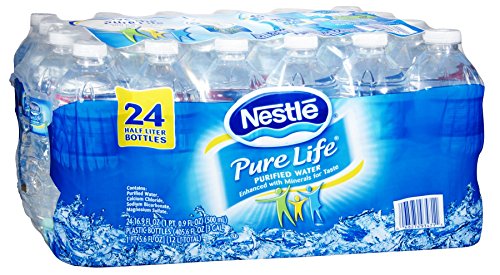
Nestle Pure Life 571863 Water 16.9 Oz. 24/Carton (110109) Best for most families
- Factory-sealed packaging minimizes microbial contamination when municipal water is unsafe.
- Ready for immediate use; no boiling, filtration, or chemicals needed.
- Long shelf life unopened; store cool and dark to maintain quality.
- Multipurpose: hydration, wound irrigation, rehydrating meals, infant formula, and medications.
 info@emerggear.com