Diesel Generator
Why you need this: You need a portable inverter generator to keep essentials running during outages, protecting your family when disasters strike.Diesel Generator: Reliable Backup Power for Emergencies and Everyday Needs
A diesel generator is a compact power plant that combines a diesel engine with an electrical alternator to provide dependable electricity wherever and whenever you need it. In plain terms, it converts the energy stored in diesel fuel into usable power for lights, appliances, tools, and critical systems. Because of their durability, fuel efficiency, and long runtimes, diesel generators are a favorite for home backup, job sites, farms, vehicles, and off‑grid locations.
Why it matters: power interruptions can happen at any time—from storms and grid failures to everyday accidents like a car striking a utility pole or neighborhood maintenance that takes your electricity offline. A diesel generator helps you keep food cold, run medical devices as directed by a professional, power sump pumps to prevent water damage, maintain communications and internet, and safely operate essential tools until normal service returns.
Beyond emergencies, a diesel generator streamlines daily life and work. It delivers steady power for construction equipment, well pumps, heaters, freezers, RVs, boats, food stands, outdoor events, and remote cabins. The combination of high torque and stable voltage regulation makes a diesel generator especially effective for starting and running heavy loads.
In short, owning a diesel generator turns an outage from a crisis into a manageable inconvenience. With the right unit, you gain peace of mind and the ability to safeguard your home, business, and plans—no matter what the day brings.
How It Works
A diesel generator uses an internal combustion engine that relies on compression ignition. Air is compressed in the engine cylinder, raising its temperature; when diesel fuel is injected, it ignites from the heat, driving the pistons. This mechanical motion turns the alternator (also called the generator head), which produces AC electricity. A governor keeps the engine at a steady speed to maintain proper frequency (for example, 60 Hz at 1800 or 3600 RPM, or 50 Hz at 1500 or 3000 RPM), and a voltage regulator stabilizes output.
- Engine: Compression-ignition diesel motor provides high torque and long life.
- Alternator: Converts rotational energy to electrical energy; quality designs use AVR (automatic voltage regulation) for steady voltage and low waveform distortion.
- Fuel system: Tank, lines, filters, and injectors deliver clean fuel at the right pressure.
- Control panel: Start/stop, breakers, meters, safety shutdowns, and sometimes auto-start functions for standby use.
- Cooling and exhaust: Air-cooled or liquid-cooled systems manage heat; the exhaust safely vents combustion gases.
- Frame and mounts: Reduce vibration and protect components during transport and operation.
- Power distribution: Receptacles and terminals provide 120/240V single-phase or, on some units, three-phase output for compatible equipment.
When the Diesel Generator Helps Most
- Natural disasters: Hurricanes, blizzards, ice storms, wildfires, heat waves, and floods that knock out power. Keep refrigerators, freezers, fans, sump pumps, and communications running.
- Home accidents and outages: A tripped main breaker, a vehicle hitting a utility pole, scheduled utility maintenance, or blown transformers. Power essentials until service is restored.
- Workplace and job sites: Construction, agriculture, workshops, remote filming, and pop-up events where grid power is unavailable or unreliable. Run tools, welders, compressors, and lighting.
- Vehicles and mobile setups: RVs, food trucks, service vehicles, boats, and off-road rigs that need reliable electricity for equipment and comfort systems.
- Outdoor activities: Camping, tailgating, festivals, markets, and field operations that require safe, stable power.
- Off-grid and remote living: Cabins, homesteads, and telecom sites that depend on generators as primary or supplemental power alongside solar and battery storage.
- Critical personal needs: Keeping select medical devices powered as directed by healthcare providers, maintaining climate control aids, and charging communication devices during extended outages.
Strengths, Suitability & Limitations
Strengths
- Fuel efficiency and long runtime: Diesel engines sip fuel under load compared with similar gasoline units.
- High starting torque: Better at handling motors, pumps, compressors, and other heavy loads.
- Durable and long‑lived: Lower RPM designs (e.g., 1800 RPM) and robust construction can deliver long service life with proper maintenance.
- Safer fuel handling: Diesel is less volatile than gasoline and typically has a longer storage life when treated and rotated.
- Scalable options: From portable units to fully enclosed standby systems with automatic transfer switches.
- Stable output: Quality AVR or inverter regulation helps protect appliances and electronics.
What It’s Not For
- Indoor use: Never operate a diesel generator inside a home, garage, basement, shed, or any enclosed/partially enclosed space.
- Ultra-quiet settings: Even sound-attenuated enclosures make noise; not ideal for noise-sensitive environments without mitigation.
- Improper electrical hookups: Not for backfeeding a home via a dryer outlet or other unsafe methods.
- Submersion or heavy rain exposure: Do not use in standing water or without proper weather protection designed for generators.
- Oversized whole-building loads: A small portable unit can’t run an entire large home or high-demand commercial site at once.
Limitations and safety considerations
- Carbon monoxide risk: Exhaust contains CO—always run outdoors, far from doors, windows, and vents; use CO alarms in living spaces.
- Weight and size: Diesel units tend to be heavier; plan for transport, mounting, and handling.
- Cold-weather behavior: Diesel can gel in low temperatures; use season-appropriate fuel and additives; consider block heaters.
- Maintenance needs: Oil, filters, and fuel system service are essential for reliability.
- Electrical safety: Use the correct transfer switch or interlock installed by a qualified electrician; ensure proper grounding and overcurrent protection.
- Noise and emissions: Comply with local ordinances and consider neighbors.
What to Look For When Buying a Diesel Generator
Choosing the right diesel generator comes down to proper sizing, build quality, and safety. Use the checklist below to compare options and avoid costly mistakes.
- Power rating (kW/watts): Calculate running and starting (surge) watts. Motors and compressors can need 2–3× their running wattage to start. Choose headroom for future needs.
- Voltage and phase: Most homes use 120/240V single-phase. Some commercial equipment requires three-phase power—ensure your generator matches your application.
- Voltage regulation and THD: Look for AVR or inverter-based regulation and low THD (often under ~5%) to protect sensitive electronics.
- Engine speed and cooling: 1800 RPM units often run quieter and last longer than 3600 RPM designs; liquid-cooled engines handle continuous high loads better than air-cooled.
- Runtime and fuel capacity: Check consumption at 25–50% load and the size of the fuel tank. Longer runtime reduces refueling intervals during emergencies.
- Noise rating (dBA): Sound-attenuated enclosures and lower RPM engines can meaningfully reduce noise.
- Outlets and connectivity: Ensure the right receptacles (e.g., 120/240V locking connectors) and compatibility with a manual or automatic transfer switch.
- Start and control features: Electric start, glow plugs, auto-start (two-wire), ATS compatibility, hour meter, voltage/Hz display, and remote monitoring improve usability.
- Build quality: Heavy-gauge steel or aluminum enclosures, robust frames, quality fasteners, vibration isolation, and weatherproofing signal a longer-lasting unit.
- Alternator quality: Brushless designs, copper windings, and good ingress protection help ensure reliability and stable output.
- Safety systems: Low-oil shutdown, engine protection, overcurrent breakers, GFCI on appropriate outlets, and clear labeling.
- Cold-weather readiness: Block heater, battery warmer, and fuel system components suited for winter conditions.
- Serviceability: Easy access to oil, filters, belts, and batteries; widely available filters and parts; clear, comprehensive manuals.
- Compliance and certification: Look for applicable emissions and safety standards for your region and installation type.
- Portability and footprint: Wheels, lifting eyes, skid base, and overall dimensions/weight for your storage and transport plan.
- Total cost of ownership: Consider fuel consumption, maintenance intervals, parts availability, and resale value—not just upfront price.
- Beware of low-quality imitations: Watch out for overstated wattage claims, missing or vague specifications, lack of voltage/frequency stability data, questionable certification markings, and poor fit-and-finish. If specs look too good to be true, they likely are.
Placement, Storage & Readiness
Safe placement and proper storage are as important as the generator you buy. Plan where you’ll run it, how you’ll connect it, and how you’ll keep it mission-ready.
- Operating location: Run outdoors on a level, noncombustible surface, ideally well away (at least several meters/20+ feet) from doors, windows, and vents. Position the exhaust downwind.
- Weather protection: Use only generator-appropriate canopies or enclosures that maintain clear airflow and exhaust paths. Never operate in standing water or indoors.
- Fuel storage: Store diesel in approved containers, out of direct sunlight and away from living spaces. Treat fuel with stabilizer and biocide, and rotate stock every 6–12 months or as recommended.
- Cold climate: Use seasonally appropriate diesel and anti-gel additives. Consider a block heater for standby units.
- Readiness checks: Monthly exercise under load for 20–30 minutes, verify voltage/frequency, test transfer switch operation, and log hours for maintenance scheduling.
- Maintenance staging: Keep spare oil, filters (oil, air, fuel), glow plugs if applicable, fuses, and belts on hand—plus a suitable fire extinguisher.
- Electrical safety: Use a properly installed transfer switch or interlock for home circuits. Avoid backfeeding at all costs.
- Cords and connectors: Use appropriately rated, heavy-gauge extension cords to minimize voltage drop (for example, 10 or 12 AWG for higher loads and longer runs).
- Common mistakes to avoid: Operating in a garage or near open windows, refueling while running, ignoring oil/filter intervals, letting untreated fuel sit for years, and relying on undersized cords.
How to Use It Properly
- Plan your loads: List what you must power (fridge, sump pump, lights, router, medical devices as directed, etc.). Confirm the generator’s running and surge capacity is adequate.
- Move the generator outdoors: Place it on a level, stable surface far from doors, windows, and vents. Aim the exhaust downwind.
- Inspect before starting: Check fuel level, oil level, air filter, and—if liquid-cooled—coolant. Look for leaks, damaged cords, and debris.
- Prepare connections: Ensure your transfer switch or interlock is in the correct position, or plug in heavy-duty extension cords but do not connect loads yet. Ground the unit if required by your setup and local codes.
- Preheat if cold: Engage glow plugs or block heater as recommended. Open fuel valve and set controls per the manual.
- Start the engine: Start with the generator’s breaker(s) off. Let it warm up for a few minutes without load to stabilize voltage and frequency.
- Energize circuits safely: Turn on the generator breaker(s), then connect loads one at a time—start with the largest starting loads so you can monitor performance.
- Monitor operation: Periodically check for correct voltage/frequency, unusual noise, and exhaust direction. Do not exceed the rated capacity.
- Refuel safely: Only refuel with the engine off and cool. Keep a Class B or ABC fire extinguisher nearby and avoid open flames or smoking.
- Shut down correctly: Disconnect or turn off loads. Let the engine run without load for a few minutes to cool. Turn off the generator breaker(s), then stop the engine and close the fuel valve if equipped.
- After use: Log hours, inspect for leaks or wear, and schedule maintenance if approaching service intervals. Recharge or maintain the starting battery as needed.
- Professional connections: If powering home circuits, use a properly installed transfer switch or interlock and consult a qualified electrician to meet local codes.
Final Summary
A diesel generator is one of the most dependable tools for preparedness and productivity. It offers long runtime, high torque for demanding loads, and durable construction that stands up to tough conditions. Whether you’re facing a storm-related outage or powering a remote project, a well-chosen unit can keep your essentials running and your plans on track.
Before you buy, focus on accurate sizing, quality voltage regulation, safe installation, and regular maintenance. Store treated fuel, test your setup, and keep the right accessories on hand so you’re always ready.
Power failures are unpredictable—but your response doesn’t have to be. With the right diesel generator and a simple readiness plan, you’ll protect your home, support your work, and stay connected when it matters most.
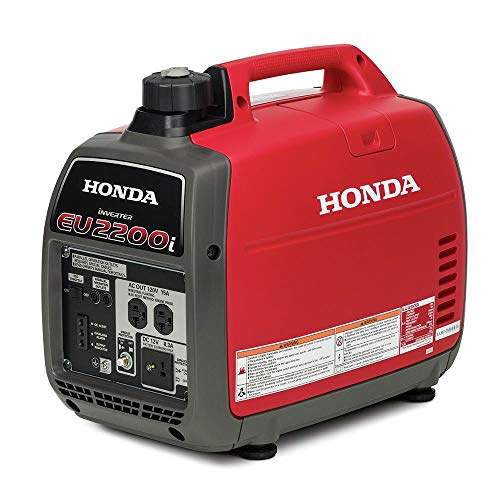
Honda 664240 EU2200i 2200 Watt Portable Inverter Generator with Co-Minder Best for most families
- Steady power for critical loads: refrigeration, radios, medical devices, and water pumps.
- Diesel’s higher energy density and engine efficiency extend runtime and reduce resupply needs.
- Higher flash point than gasoline reduces fire risk during storage and refueling.
- High starting torque and transfer-switch compatibility support safe, fast deployment under load.
 info@emerggear.com