Duct Tape
Why you need this: In emergencies, duct tape helps you make quick, secure repairs that prevent damage and keep your family safe.Heavy duty duck tape: a practical, tough fix for emergencies and everyday repairs
Heavy duty duck tape is a pressure‑sensitive, cloth‑reinforced, water‑resistant repair tape designed to deliver fast, reliable bonds on a wide range of materials. Often called “duct tape,” this rugged, multi‑purpose essential earns a spot in toolboxes, glove compartments, emergency kits, and go‑bags because it sticks quickly, conforms to uneven surfaces, and adds structural support when you need it most.
Why does it matter? In real life, things break at the worst times—during storms, on road trips, at work, or far from a hardware store. Heavy duty duck tape buys you time by creating a strong temporary fix that helps prevent small problems from becoming expensive emergencies. From patching a torn tent to splinting a cracked tool handle, it’s a simple, affordable way to boost readiness and reduce downtime.
In everyday accidents, this tape shines as a first‑responding repair tool. It can seal minor leaks, bundle cables safely, protect sharp edges, reinforce weak seams, and even help build quick splints for gear. In emergencies, speed matters—and few items are faster to deploy than a strong roll of heavy duty duck tape.
How It Works
Heavy duty duck tape relies on three layers working together to create a tough, flexible bond:
- Pressure‑sensitive adhesive (PSA): A high‑tack, rubber‑based adhesive forms an instant bond under firm pressure—no water, heat, or solvent activation required.
- Cloth scrim: A woven fabric mesh adds tensile strength, tear resistance, and the ability to support loads when wrapped, braced, or layered.
- Polyethylene backing: A weather‑resistant top layer helps shed moisture and abrasion while allowing the tape to conform to curves and textures.
Key mechanics that make it effective:
- Quick stick: Bonds rapidly to many surfaces, including metal, plastic, fabric, wood, and painted finishes.
- Conformability: The cloth mesh and flexible backing fit around corners, edges, and irregular shapes.
- Layering strength: Multiple wraps or cross‑patches dramatically increase holding power and puncture resistance.
- Hand tearability: The scrim enables clean tears in both directions, speeding up field repairs without tools.
When the heavy duty duck tape Helps Most
- Natural disasters: Secure loose flashing, seal cracked window panes (tape in a grid to reduce shatter), patch tarps, reinforce plastic sheeting, label emergency valves, and bundle debris safely.
- Home accidents: Temporarily stop minor hose drips, reattach loose trim, patch a cracked dustpan, mend vacuum hose splits, and protect children from sharp furniture corners.
- Workplace situations: Create temporary signage, bundle cables to reduce trip hazards, patch packaging, reinforce cartons, color‑code tools, and secure drop cloths.
- Vehicles and travel: Stabilize loose body panels, hold a cracked mirror housing, secure dangling wires, seal a torn weatherstrip, and attach a temporary splash guard. Not for fuel, brake, or high‑heat repairs.
- Outdoor activities: Patch tents and rain flies, reinforce backpack straps, wrap trekking pole grips, mend waders, repair camp chairs, or add grip to tool handles.
- Boating and watersports: Temporarily seal minor above‑waterline leaks, mark lines and gear, and reduce chafe points. Not for submerged or structural marine fixes.
- DIY and maker projects: Build quick jigs, mask surfaces in a pinch, create protective edges, or craft temporary clamps and grips.
Strengths, Suitability & Limitations
Strengths
- Versatile adhesion: Grips metals, plastics, wood, masonry, fabric, and painted surfaces.
- Fast deployment: No curing time; just press and go.
- High tensile support: Cloth scrim adds strength for bundling, bracing, and reinforcing.
- Weather resistance: Repels moisture and abrasion; many heavy‑duty versions withstand outdoor use.
- Conformable and stackable: Wraps, patches, and layers to build stronger fixes.
- Cut‑free application: Tears by hand in both directions for speed and convenience.
What It’s Not For
- High‑heat or high‑pressure systems: Avoid exhausts, engine blocks, hot pipes, pressurized plumbing, and pneumatic/hydraulic lines.
- Safety‑critical repairs: Not suitable for brakes, steering, structural supports, climbing gear, or fall protection.
- Electrical insulation: Not a replacement for rated electrical tape or heat‑shrink tubing.
- Long‑term underwater sealing: Temporary splash resistance is fine; submerged fixes will fail.
- Direct skin contact: Not a medical or skin‑safe product; adhesives may irritate.
Limitations and safety considerations
- Temperature sensitivity: Extreme cold reduces tack; heat can soften adhesive and cause slippage.
- UV exposure: Prolonged sunlight can degrade backing and adhesive over time.
- Residue and finish risk: May leave adhesive behind or pull delicate finishes when removed.
- Surface prep matters: Dust, oil, and moisture reduce bond strength; clean and dry surfaces perform best.
- Load limits: Treat as a temporary assist; do not rely on it for structural strength or life‑safety fixes.
What to Look For When Buying a heavy duty duck tape
Not all tapes labeled “heavy duty” perform the same. Evaluate these features to get reliable, field‑worthy performance:
- Adhesive quality: Look for high initial tack and strong peel/shear strength that maintains grip across temperature changes.
- Backing and scrim: A dense cloth weave improves tensile strength and clean tearing; a robust polyethylene coating adds abrasion and moisture resistance.
- Thickness (mils): Heavier tapes (often 11–17 mil) tend to perform better for reinforcement and abrasion resistance.
- Tensile strength: Higher lb/in ratings indicate better bundling, bracing, and load support in wraps.
- Temperature and weather rating: Check the working range; cold‑weather adhesion and UV resistance matter for outdoor use.
- Conformability: The tape should mold to uneven surfaces without lifting at edges.
- Residue behavior: Some heavy‑duty tapes are optimized for clean removal; others prioritize maximum grip and may leave residue.
- Width and length: Common widths are about 1.88–2 inches (48–50 mm). Wider rolls (2.5–3 inches) offer more coverage for patches; longer rolls reduce resupply needs.
- Color options: High‑visibility colors improve safety marking; neutral colors blend into repairs. Color consistency can indicate manufacturing quality.
- Core and winding: A standard 3‑inch core fits most tape dispensers; tightly wound rolls reduce telescoping and edge damage in storage.
- Quality indicators: Even edges, straight tears, low “ooze” at the sides, and consistent adhesion across the roll suggest good manufacturing control.
Beware of low‑quality imitations: If a roll feels overly thin, tears unpredictably, smells strongly of solvent, or slides off surfaces after a few minutes, it may not meet heavy‑duty expectations. Prioritize proven construction details (scrim density, thickness, and adhesive performance) over vague marketing terms.
Placement, Storage & Readiness
Strategic placement means faster fixes when it counts. Keep heavy duty duck tape where you live, work, and travel:
- Home: Toolbox, kitchen drawer, utility room, garage, and near emergency supplies.
- Vehicle: Glove box, trunk kit, or under‑seat organizer—protected from direct heat.
- Work: Facility maintenance kits, IT cable stations, shipping/receiving, and jobsite tool bags.
- Outdoors and travel: Backpack, camp bin, boat dry bag, or clipped to a bike rack toolkit.
Storage best practices:
- Store in a cool, dry place away from direct sunlight; avoid prolonged exposure to heat.
- Seal spare rolls in resealable bags to reduce dust contamination and edge damage.
- For go‑bags, wrap a few meters around a flat card, pencil, or water bottle to save weight and space.
- Rotate annually. Test a short strip; if it lifts easily or leaves excessive residue, replace the roll.
Inspection and staging tips:
- Pre‑cut patches in common sizes and store them on release liners (wax paper or backing sheets) for instant deployment.
- Mark emergency rolls with the date and intended use (e.g., “storm kit,” “vehicle only”).
- Keep a small utility blade nearby for clean cuts when precision matters.
Common mistakes to avoid:
- Applying to dirty, oily, or wet surfaces without prep.
- Expecting the tape to hold high heat, pressure, or structural loads.
- Leaving rolls in hot cars or in direct sunlight for months at a time.
- Using on delicate finishes without testing a small area first.
How to Use It Properly
- Assess the repair. Confirm it’s safe to attempt a temporary fix. Do not use tape in place of critical mechanical, electrical, or medical solutions.
- Prepare the surface. Clean off dust, oil, or loose paint. Dry the area thoroughly. If it’s very cold, gently warm the surface and tape to improve adhesion.
- Measure and cut. Tear or cut a piece longer than the repair area. Round the corners to reduce edge lifting.
- Anchor the center. Press the middle of the strip first, then smooth outward with firm pressure to remove air pockets.
- Wrap for strength (if reinforcing). For handles, poles, or hoses, wrap with 50% overlap. Add cross‑wraps or figure‑eight patterns to distribute load.
- Patch holes and tears. Apply a patch larger than the damaged area by at least 1–2 inches (25–50 mm) on all sides. For flexible materials (like fabric or tarps), patch both sides and cross‑layer for durability.
- Seal edges. Rub firmly along edges to lock them down. Additional narrow strips can “frame” the patch and prevent peel‑up.
- Reinforce as needed. Multiple layers dramatically improve puncture and tear resistance. Add layers gradually, checking fit and tension.
- Test the repair. Apply gentle load first. If it shifts or lifts, clean again and reapply with more overlap or additional layers.
- Remove safely. For stubborn residue, soften with gentle heat or an appropriate adhesive remover on compatible surfaces. Test in an inconspicuous area.
Safety reminders: Keep away from open flames and high‑heat sources. Do not use as a substitute for rated electrical tape, life‑safety equipment, or medical dressings. Always follow manufacturer safety guidance for the surfaces and gear you’re repairing.
Final Summary
Heavy duty duck tape earns its reputation by making fast, dependable, temporary repairs possible almost anywhere. It sticks quickly, reinforces weak points, and extends the life of gear long enough to reach a permanent solution—exactly what you want in an emergency or when accidents happen at home, on the road, or outdoors.
To get the most from it, choose a quality roll with strong adhesive, durable scrim, and weather‑ready backing; stage it where you’ll need it; and use smart application techniques—clean, dry, overlap, and reinforce. While it’s not a fix for high‑heat, high‑pressure, or safety‑critical systems, it is an essential, affordable tool that boosts readiness and reduces stress when the unexpected strikes.
Bottom line: Add heavy duty duck tape to your core kit, keep a compact roll in your vehicle and go‑bag, and practice a few common repair methods now—so you can act fast and confidently when time matters most.
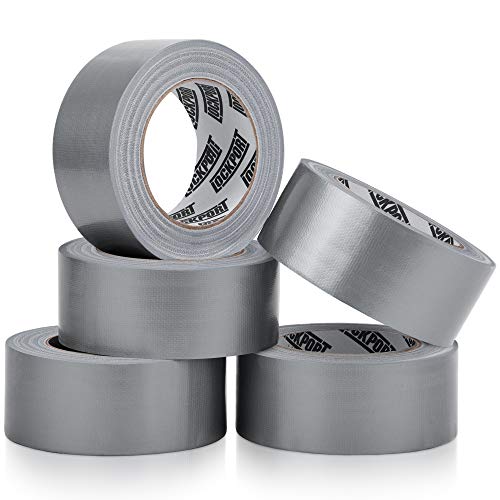
Lockport 5 Pack Duct Tape Heavy Duty Waterproof, Strong Adhesive Silver Duct Tape Bulk for Indoor Outdoor Repairs, Tear by Hand - 30 Yards x 2 Inch Best for most families
- Reinforced, high-tensile backing resists tearing under load and abrasion.
- Rubber-based adhesive bonds to fabric, plastic, and metal; retains tack in cold and heat.
- Water-resistant seal helps contain leaks and drafts in tents, tarps, and low-pressure lines.
- Hand-tearable and compact for rapid deployment; no tools or power required.
 info@emerggear.com