Meals Ready to Eat
Why you need this: You need emergency meals to keep your family nourished through prolonged outages and evacuations, ensuring food security when power and supplies fail.Meals Ready to Eat: A Practical, Preparedness-Focused Guide
Meals ready to eat—often abbreviated as MREs—are self-contained, shelf-stable food packages designed to deliver complete nutrition with minimal preparation. Originally developed for field conditions, they have become a smart, everyday preparedness tool for households, drivers, outdoor enthusiasts, and workplaces. Because they do not require refrigeration, cooktops, or extensive cleanup, meals ready to eat bridge the gap between convenience and reliability, making them invaluable in power outages, severe weather, or simple day-to-day hiccups when cooking is not feasible.
When the unexpected happens, decision-making and energy levels matter. MREs provide predictable calories, protein, fats, and carbohydrates in a compact format that withstands handling and variable temperatures better than typical pantry items. While you can use them as a backup dinner on a busy weeknight, their true strength shines during emergencies, evacuations, or circumstances where clean water, electricity, or kitchen access may be limited. Having a small cache of meals ready to eat reduces stress, prevents skipped meals, and supports better morale when conditions are less than ideal.
Most MRE kits include an entrée, sides, snacks, a beverage base, utensils, and often a safe, water-activated heater. Everything is packed to be opened and consumed quickly, whether you can warm the food or must eat it at ambient temperatures. That all-in-one design makes meals ready to eat a cornerstone of sensible preparedness planning—useful at home, on the road, or anywhere you need dependable food fast.
How It Works
At the core of a typical MRE is shelf-stable packaging and heat-processing. Entrées and sides are cooked and sealed in durable, multi-layer retort pouches designed to keep oxygen and contaminants out, preserving texture and flavor for years. Many kits include a flameless ration heater powered by a small amount of water. When activated, a controlled chemical reaction produces heat and steam to warm the entrée—no stove, flame, or fuel required.
- Retort pouches: Multi-layer barrier packs are heat-sterilized to extend shelf life and maintain food safety without refrigeration.
- Flameless heating: A compact heater warms food using a minimal amount of water; it’s designed for outdoor or ventilated areas and eliminates the need for open flames.
- All-in-one meal: Entrée, sides, snacks, utensils, napkin, and beverage mixes are commonly included to support complete meals without extra gear.
- Balanced nutrition: Calorie counts vary by meal, typically ranging from moderate to high, offering a mix of carbs, fats, and proteins for sustained energy.
- Minimal prep: Open, heat if desired, and eat. Heating is optional; the food is safe at room temperature if the package is intact.
- Clear labeling: Date or lot codes indicate production batches, helping you rotate stock and track freshness.
When Meals Ready to Eat Help Most
- Natural disasters: Hurricanes, blizzards, wildfires, earthquakes, tornadoes, and floods that disrupt power, water, or access to stores.
- Home accidents: Kitchen malfunctions, gas shutoffs, or minor injuries that make cooking unsafe or impractical.
- Workplace situations: Extended shifts, shelter-in-place protocols, remote job sites, or facilities with limited cafeteria access.
- Vehicles: Roadside breakdowns, traffic jams during evacuations, winter strandings, or long-haul trips where reliable food stops are uncertain.
- Outdoor activities: Camping, hunting, boating, climbing basecamps, and trailhead staging when easy, quick meals are preferred.
- Travel and moving days: Delays, late arrivals, or hotel rooms without kitchenettes where you still want predictable, complete meals.
- Caregiving and recovery: Times when energy is better spent on rest or care, not cooking and cleanup.
Strengths, Suitability & Limitations
Strengths
- Ready when you are: Eat straight from the pouch; heating is optional.
- Long shelf life: Properly stored meals maintain quality for years, making them ideal for emergency kits.
- Complete calories: Thoughtfully portioned entrées, sides, and snacks support energy and morale under stress.
- Low water demand: Many MREs require little to no additional water to consume.
- Portable and tough: Durable packaging tolerates jostling, making transport simple.
- Convenience: Built-in utensils and seasonings reduce the need for extra gear.
What It’s Not For
- Ultra-light backpacking: MREs are compact but not the lightest option for high-mileage trips.
- Strict medical diets: Individuals with specific dietary needs (e.g., low-sodium, low-sugar, allergy-specific) should verify labels carefully.
- Gourmet dining: Designed for reliability and nutrition first; taste and texture are improving but not the focus.
- Indefinite storage: Great longevity, but rotation is still best practice.
Limitations and safety considerations
- High sodium is common; plan hydration and balance with fresh foods when possible.
- Temperature sensitivity: Prolonged heat reduces shelf life; avoid attics, hot vehicles, or direct sun.
- Heater safety: Use flameless heaters in ventilated areas; avoid confined spaces; never puncture heaters or ingest contents.
- Packaging integrity: Do not eat from pouches that are swollen, leaking, or have off-odors.
- Waste management: Pack out trash during outdoor use; heaters remain hot after activation.
What to Look For When Buying a Meals Ready to Eat
Choosing the right meals ready to eat ensures your investment performs when needed. Focus on food safety, freshness, and a feature set that matches your intended use.
- Freshness and date codes: Look for clear production or pack dates and batch/lot codes. Fresher stock generally lasts longer; verify any date format provided.
- Calorie and macro balance: Check calories per meal and per component. For physically demanding scenarios, more calories may be beneficial. Aim for a balanced mix of carbohydrates, fats, and proteins.
- Dietary needs: Confirm ingredients and allergen statements. Seek options aligned with dietary restrictions (e.g., vegetarian or other special considerations) if needed.
- Packaging quality: Retort pouches should be thick, with clean, well-formed seals. The outer wrap or box should protect inner items from abrasion and moisture.
- Flameless heater inclusion: Not all MREs include heaters. If heating matters to you, ensure a heater is included and check water requirements.
- Taste variety: A mix of entrées and sides reduces menu fatigue, which can be important during extended use.
- Accessory pack: Utensils, napkins, seasonings, and beverage mixes add convenience and morale value.
- Label transparency: Look for nutrition facts, ingredient lists, and clear instructions for storage and preparation.
- Food safety programs: Preference for products made under recognized food-safety systems and good manufacturing practices can add confidence in quality.
- Environmental and temperature claims: If you expect extreme cold or heat, check any performance notes for those conditions.
- Test before you stock up: Buy a small quantity first to confirm you like the taste, portion size, and heating system before committing to a large supply.
- Beware of poor imitations: Be cautious of items with unclear labeling, inconsistent packaging, or missing instructions. Signs of repackaging, weak seals, or unusual odors are red flags.
Placement, Storage & Readiness
Even the best meals ready to eat underperform if stashed in the wrong place. Store them cool, dark, and dry, and split your supply between home and mobile kits to ensure access wherever you are.
- Home base: Keep a core supply in a closet or pantry away from heat sources. Avoid attics, sheds, and sunlit windows.
- Mobile kits: Place one or two meals in go-bags, office drawers, and vehicle emergency kits. If kept in a car, rotate more often due to temperature swings.
- FIFO rotation: Use “first in, first out.” Mark acquisition dates with a permanent marker and set calendar reminders for periodic checks.
- Inspection: Quarterly, check for damaged pouches, swelling, leaks, or compromised outer packaging. Replace anything suspect immediately.
- Staging essentials: Pair meals with a small water bottle (for heating or mixing beverages), wipes or sanitizer, a compact trash bag, and a lightweight utensil set if not included.
- Avoid common mistakes: Don’t forget water for heaters, don’t store everything in one place, and don’t buy in bulk without taste-testing first.
How to Use It Properly
- Sanitize and inspect: Clean your hands and check the meal for intact seals. Do not use any pouch that is bulging, leaking, or smells off.
- Lay out components: Open the outer packaging to identify the entrée, sides, snacks, beverage mix, utensils, and heater if included.
- Decide on heating: MREs are safe at room temperature. If you prefer warm food and a heater is included, proceed; otherwise, you can eat as-is or warm the sealed pouch in hot (not boiling) water if available.
- Activate the heater (if included): Follow the printed instructions. Typically, add a small amount of water to the heater sleeve, insert the entrée pouch, and allow it to heat in a well-ventilated area.
- Wait safely: The heater will produce heat and steam. Keep it upright or propped at an angle, away from faces, fabrics, and enclosed spaces.
- Check temperature: After the recommended time, carefully remove the pouch. It will be hot—use caution.
- Open and serve: Tear along the notch or cut the top off the pouch. Stir if needed, season to taste, and use the provided utensil.
- Hydrate: Mix beverage powders with clean water per directions and drink throughout the meal to balance sodium intake.
- Save what you’ll use soon: If you don’t finish, reseal as best as possible and consume promptly. Without refrigeration, do not store leftovers for extended periods.
- Dispose responsibly: Allow the heater to cool before discarding. Pack out all waste during outdoor use.
Safety reminder: Only use flameless heaters as directed, in ventilated areas, and keep them away from children and pets. Never puncture or ingest heater elements.
Final Summary
Meals ready to eat are a simple, effective way to ensure you always have dependable, complete meals—whether you’re riding out a storm, navigating a power outage, traveling, or just covering a hectic day. Their combination of long shelf life, minimal preparation, and portable design makes them a cornerstone of a realistic preparedness plan.
Start small: test a few meals, build a rotation habit, and place them where you’ll actually need them—home kits, vehicles, and workplaces. With smart storage, periodic inspections, and attention to labeling and packaging quality, you’ll have reliable nutrition ready at a moment’s notice. Preparedness isn’t complicated—meals ready to eat make it practical, portable, and stress-reducing when it matters most.
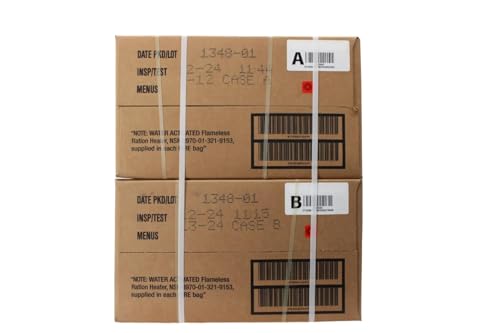
Wornick Sopacko, Ameriqual MRE Meals Ready to Eat Inspection 2025, 2026 or Better, Emergency Food Supply, Survival Camping Outdoor 12 Pack(A & B Case Bundle, 2, Count) Best for most families
- Shelf-stable up to 5 years at moderate storage temperatures.
- Self-heating entree activates with a small water amount; no stove, fuel, power, or refrigeration.
- Typical MRE provides approximately 1,100–1,300 calories with balanced carbohydrates, protein, and fats.
- Rugged, sealed packaging resists moisture, puncture, and rough handling to protect food safety.
 info@emerggear.com