Plastic Sheeting
Why you need this: During storms and emergencies, plastic sheeting quickly covers damage and blocks water and debris, keeping your home protected and your family safer.Plastic sheeting is a flexible, rollable film made from polymer materials such as polyethylene. It’s commonly used as a temporary barrier against water, wind, dust, and debris, and it can be trimmed and fastened into place with ordinary tools. Because it’s affordable, light to carry, and widely adaptable, plastic sheeting is one of the most useful preparedness items you can keep at home, at work, in a vehicle, or in a kit. In emergencies, it can cover a broken window, protect a leaking roof, create a vapor barrier during a flood, or serve as a quick shelter. In everyday life, it doubles as a drop cloth for painting, a protective ground cover for projects, and a moisture barrier for storage.
When you need a fast, versatile solution, plastic sheeting delivers. It is easy to cut, tape, fold, layer, and secure. The material is available in different widths and thicknesses (often measured in mils), letting you choose the right balance of portability, durability, and transparency for the task. That combination of simplicity and reliability is why plastic sheeting belongs in every emergency kit and DIY toolbox.
How It Works
Plastic sheeting acts as a physical membrane between your environment and whatever you want to protect. It slows or blocks the movement of air and moisture, catches spills, and shields surfaces from abrasion and contamination. By covering openings and wrapping objects, it reduces water intrusion and prevents dust and debris from spreading. In weather emergencies, it functions as a wind and rain barrier; indoors, it can create clean rooms or containment zones for messy work.
- Barrier effect: A continuous film blocks rain, drafts, and particulates. Overlaps and taped seams improve performance.
- Moisture control: Acts as a vapor retarder to limit condensation and water ingress when properly sealed.
- Containment: Isolates dusty or contaminated areas during cleanup, renovation, or emergency response.
- Visibility management: Clear sheeting preserves light and sightlines; opaque sheeting increases privacy and light-blocking.
- Modularity: Can be cut to size, layered for extra strength, or reinforced at edges with battens, tape, or grommets.
When The Plastic Sheeting Helps Most
- Natural disasters: Temporary window and roof covers after storms; sandbag liners; ground moisture barriers during floods; smoke and dust exclusion during wildfire events; windbreaks for shelters.
- Home accidents: Quick protection for floors, furniture, and electronics during leaks; wrap-and-contain for broken glass; emergency barrier around a spill; ad-hoc quarantine for dusty repairs.
- Workplace situations: Construction dust walls and zipper doors; overspray protection for painting; pallet and equipment covers; wet-weather staging areas; clean zones for sensitive tasks.
- Vehicles: Temporary cover for a shattered car window or sunroof; trunk liner for muddy gear; drip containment for minor automotive leaks; emergency rainfly during roadside stops.
- Outdoor activities: Ground cloth under a tent; improvised rain tarp or poncho; dry bag liner for packs; solar-warming greenhouse panels for seedlings; catchment for rinsing and cleanup.
Strengths, Suitability & Limitations
Strengths
- Versatile: One roll solves dozens of problems—from weatherproofing to cleanup to containment.
- Lightweight and packable: Easy to carry in a go-bag, truck, or toolbox.
- Customizable: Cut to shape, layer for strength, and secure with tape, staples, or clamps.
- Budget-friendly: A cost-effective way to add major capability to your emergency plan.
- Size and thickness options: From thin, wide sheets for covering large areas to thicker films for high-wear tasks.
What It’s Not For
- Structural repairs: Plastic sheeting is a barrier, not a load-bearing or permanent solution.
- High-heat environments: Not a substitute for fire-resistant materials; keep away from open flames and hot exhausts.
- Critical life support: Do not use to seal areas where ventilation is required (e.g., around fuel-burning heaters or generators).
- Hazardous chemical protection: Specialized materials and procedures are required for chemical exposures beyond routine household risks.
Limitations and safety considerations
- Ventilation matters: Airtight sealing can trap carbon monoxide or reduce oxygen—never block required airflow.
- UV degradation: Sunlight can weaken non-UV-stabilized films over time; inspect and replace as needed.
- Puncture risk: Sharp edges and rough surfaces can tear the film; use reinforcement at stress points.
- Slipping hazard: Wet plastic can be slick; avoid trip and slip risks.
- Code compliance: Some uses (vapor barriers, temporary enclosures) may be subject to building or fire codes—follow local requirements.
What to Look For When Buying a Plastic Sheeting
Choosing the right plastic sheeting means balancing durability, portability, and safety. Consider the project, environment, and how long the sheeting needs to last. Be cautious of low-quality imitations that exaggerate thickness or size and may fail when you need them most.
- Material type: Polyethylene (LDPE/HDPE) is common, flexible, and moisture resistant. Look for options noted as construction-grade for tougher jobs.
- Thickness (mils): Thicker films resist punctures and last longer. As a general guide:
- 2–3 mil: Light-duty dust covers, paint protection, quick wraps.
- 4–6 mil: General-purpose barriers, temporary window covers, ground cloths.
- 8–10+ mil: Heavy-duty containment, extended outdoor exposure, abrasion-prone tasks.
- Reinforcement: Scrim-reinforced films add tear resistance and are useful for high-stress installations.
- UV stabilization: For sun-exposed uses (outdoor covers, greenhouses), UV-stabilized sheeting resists brittleness.
- Opacity and color: Clear for visibility and light transmission; black or opaque for privacy and light-blocking; translucent for diffused light.
- Width and length: Choose sizes that reduce seams. Wider rolls speed up coverage and minimize taping.
- Surface finish: Smooth films are easier to wipe clean; textured films may reduce glare or slipping.
- Temperature range: Cold-weather flexibility reduces cracking; heat tolerance prevents warping in hot climates.
- Safety and standards: For indoor enclosures, look for low-odor, low-VOC options. Where required, reference applicable flame spread or smoke development test ratings.
- Packaging and storage: Rolls with protective wrap and core support resist deformation and contamination.
- Honest specifications: Verify stated thickness and dimensions. Be wary of vague or inconsistent product descriptions.
Placement, Storage & Readiness
Plastic sheeting works best when it’s accessible and paired with the right tools. A little preparation turns a simple roll into a rapid-response solution.
- Strategic placement: Keep a primary roll in a utility closet or garage; stash a smaller roll in your vehicle and go-bags.
- Store accessories together: Tape (general-purpose and construction), utility knife or shears, staple gun and staples, clamps, zip ties, paracord, sandbags, and a grommet kit.
- Protect from heat and sun: Store in a cool, dry place to prevent premature aging and sticking.
- Pre-cut panels: For common openings (windows, vents), pre-measure and label folded panels to save time during emergencies.
- Inspect periodically: Check for brittleness, discoloration, or tears—rotate stock as needed.
- Label thickness and size: Mark rolls to avoid confusion and speed selection under pressure.
- Avoid common mistakes: Don’t over-tension; don’t seal off required ventilation; don’t place directly against hot surfaces; reinforce edges before high winds.
How to Use It Properly
- Assess the situation: Identify the area to cover and any hazards (electric lines, sharp edges, unstable debris).
- Select the right film: Choose a thickness suitable for the task and decide on clear vs. opaque.
- Measure and cut: Add overlap (at least 4–6 inches) for seams and edges; use a straightedge and sharp blade or heavy-duty shears.
- Prepare the surface: Brush off dust and loose debris; dry wet areas if possible to improve adhesion.
- Anchor the top first: Start from the highest point or upwind edge to shed water and reduce wind lift.
- Seal seams and edges: Overlap sheets and apply strong tape on both sides when possible; use battens, staples, or clamps for reinforcement.
- Distribute stress: Add tape “tabs” or grommets at tie-off points; avoid sharp bends that can cut the film.
- Check ventilation and egress: Ensure you are not trapping exhaust, blocking exits, or sealing spaces that require airflow.
- Monitor and maintain: Recheck after wind or rain; retape or reinforce as needed; remove pooling water promptly.
- Dispose or store safely: If the sheeting is contaminated (moldy, oily, or chemically exposed), dispose per local rules; if clean, fold and store dry for reuse.
Safety reminders: Wear gloves and eye protection when cutting; use ladders safely; keep plastic away from flames and hot equipment; follow local codes for temporary barriers and enclosures.
Final Summary
Plastic sheeting is a simple, powerful, and affordable preparedness tool that pays for itself the first time you need it. From storm damage to household mishaps, it buys time, protects property, and creates order out of chaos. Choose the right thickness and features, store it where you can reach it fast, and pair it with the basic accessories that make deployment quick and secure.
Preparedness is about capability and confidence. With plastic sheeting on hand—and a plan for how you’ll use it—you can respond to emergencies faster, prevent minor problems from becoming major losses, and keep daily projects cleaner and safer. Stock it, stage it, and practice with it before you need it most.
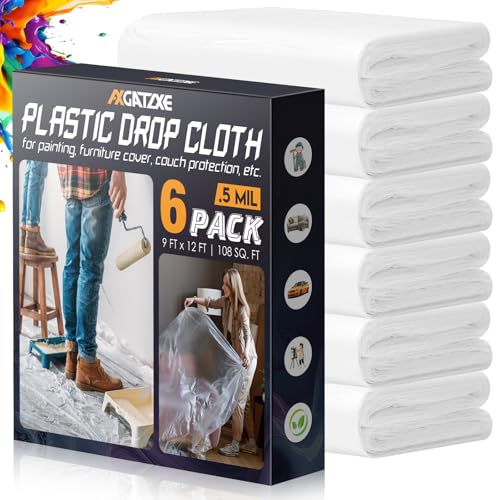
12 x 9 Ft Plastic Drop Cloths (6-Pack) - Disposable Painter's Sheeting & Tarps for Painting, Waterproof Furniture/Couch/Floor Protection Best for most families
- Waterproof, windproof barrier that reduces heat loss and exposure to rain.
- Rapid temporary repairs for roofs, windows, and walls using tape, staples, or battens.
- Sealed seams limit dust, droplets, and smoke ingress during shelter-in-place.
- 4–6 mil polyethylene resists punctures and packs small for field kits.
 info@emerggear.com